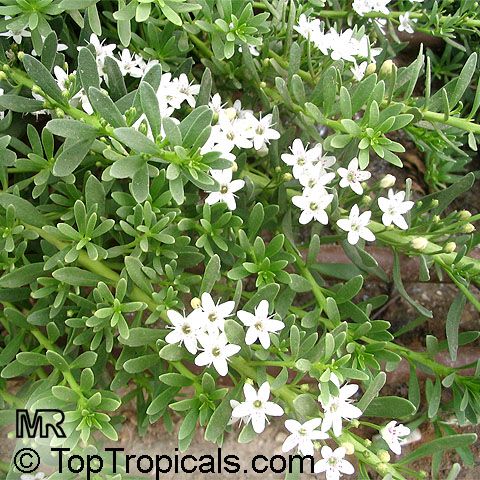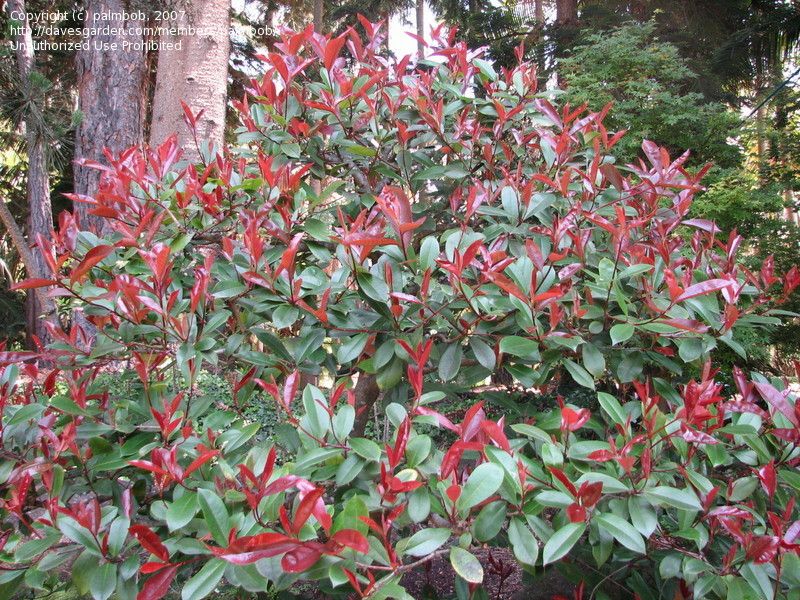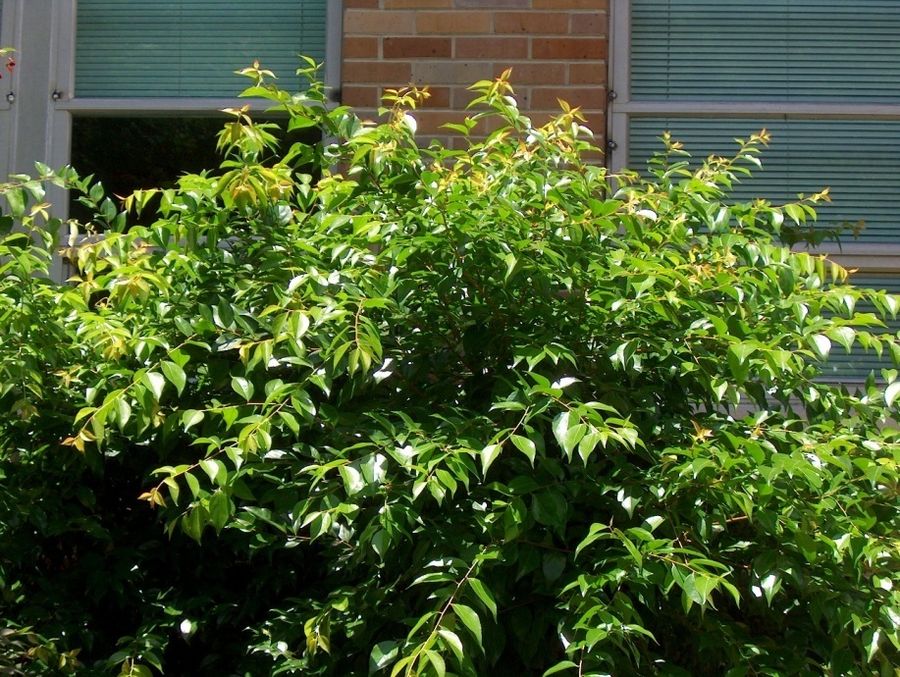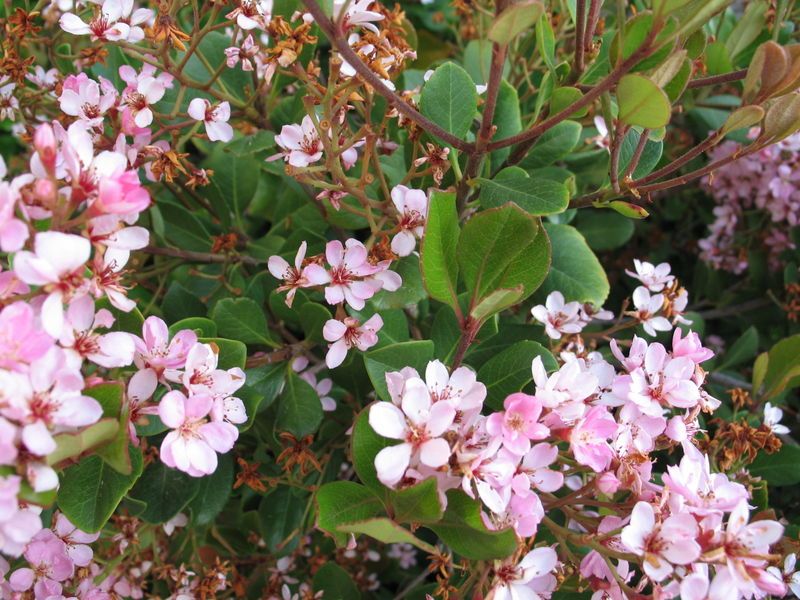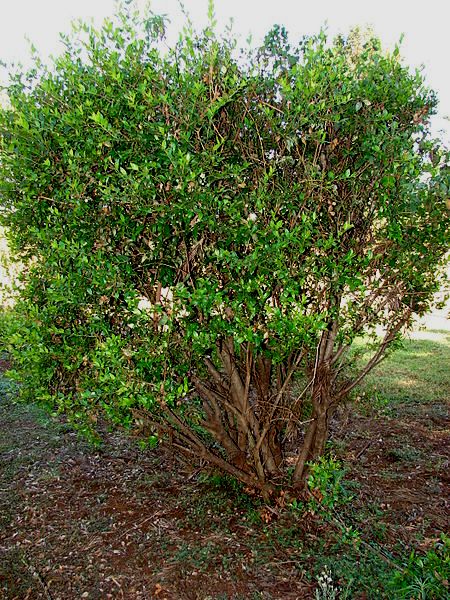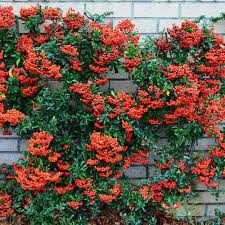
A tough evergreen shrub with glossy leaves, clusters of white flowers in spring and heavy crops of red-orange berries through fall and winter. Its sharp thorns make it a natural barrier, and it can be trained flat against a wall as an espalier.
Living with it in the Phoenix Valley
Watering
Follow the shrub schedule in our Landscape Care guide. Pyracantha needs regular water in the low desert, more than most desert shrubs. Keep the soil well drained, though: soggy, alkaline soil is what turns its leaves yellow.
Pruning
Trim lightly after the spring bloom, then again in early fall to open up the berry display. Frequent shearing cuts off the flowers and the berries that follow. Wear heavy gloves; the thorns are sharp.
Yellow leaves
Iron chlorosis, yellow leaves with green veins, is the most common problem in Phoenix’s alkaline soils, especially where the soil stays wet. Better drainage and an iron supplement help.
Pests
Aphids and spider mites can appear. Fire blight, a serious disease in wetter climates, is rare in Phoenix’s dry air.
How our designers use it
A living barrier
Planted along a property line or below a window, its thorny branches discourage foot traffic and give birds cover.
Espalier on a wall
Trained flat against a block wall, it adds green structure without taking up much ground. It does best on east or north walls rather than hot west exposures.
Winter color
The berries ripen in fall and hold into winter, when few other shrubs are putting on a show. Birds will eat them.
Good to know
Around the pool
We keep it away from pool decks, paths and seating. The thorns are sharp, and dropped flowers and berries add litter and draw birds.