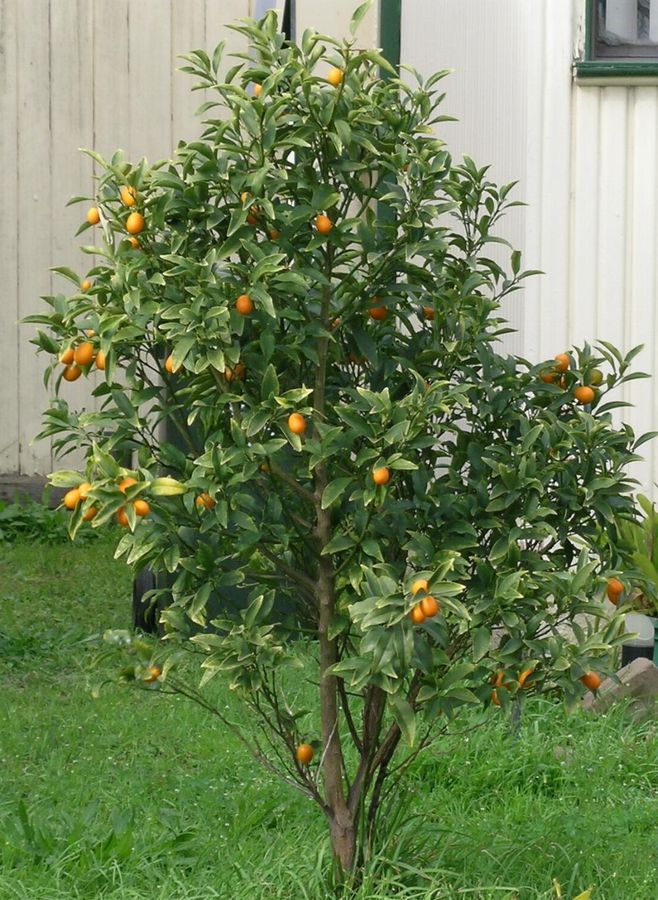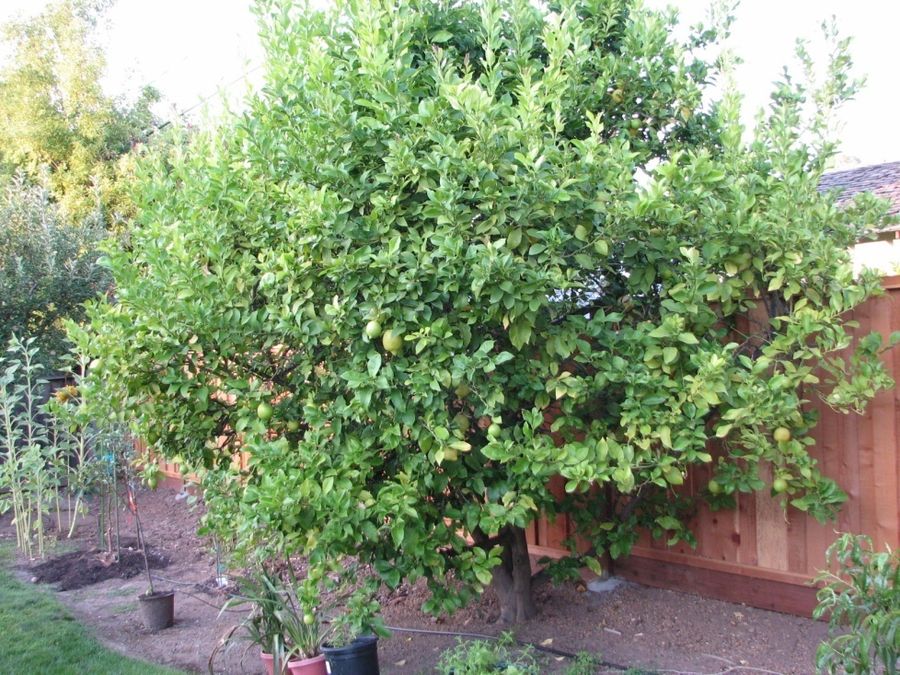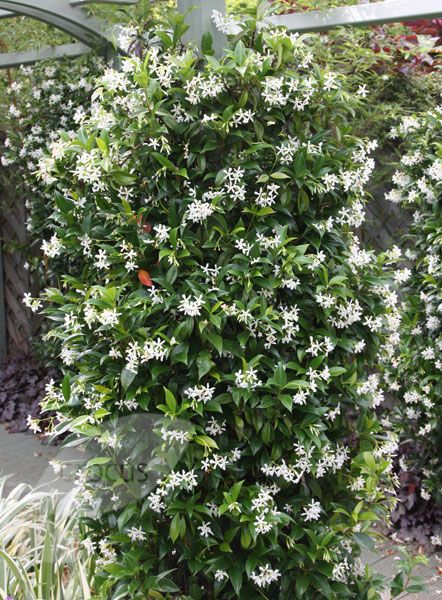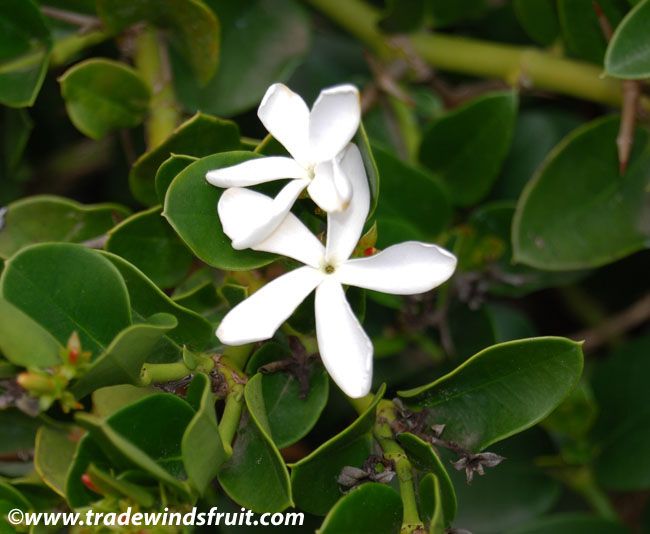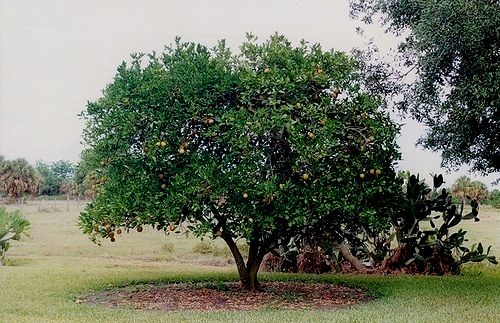
The classic juice orange, with sweet, deep orange fruit and very few seeds. It ripens later than navels, which stretches the citrus season in a Phoenix yard into spring and summer. In spring the whole tree fills with fragrant white blossoms.
Living with it in the Phoenix Valley
Watering
Follow the tree schedule in our Landscape Care guide. Citrus does best with deep, wide soaks that wet the whole root zone, then time to drain. Shallow, frequent watering leads to stress and poor fruit.
Pruning
Leave the lower branches, or skirt, in place to shade the trunk from sunburn. Prune lightly to remove dead wood and suckers below the graft. Paint any newly exposed bark with white latex paint. Avoid pruning in fall, which pushes tender growth before winter.
Feeding
Citrus responds to regular feeding spread through the year, typically in late winter, late spring and late summer.
Harvest
Fruit reaches maturity around March and keeps sweetening on the tree. You can pick over several months.
Cold
Cover the tree on freeze nights and keep the soil moist, which helps hold heat. Wait until spring growth shows the extent of any damage before pruning.
How our designers use it
Edible landscape
We plant it where a homeowner can reach it easily from the kitchen or patio.
Fragrance near living spaces
Spring bloom perfumes a patio or courtyard for weeks.
Evergreen backbone
Its dense, glossy canopy works as a screen or focal tree along a wall.
Good to know
Pets
The ASPCA lists orange (Citrus sinensis) as toxic to dogs, cats and horses. The peel, leaves and stems contain essential oils and psoralens that can cause vomiting and diarrhea.
Around the pool
Fallen fruit, blossoms and leaves create cleanup, and bees work the flowers heavily in spring. We keep it out of splash range and away from pool edges.