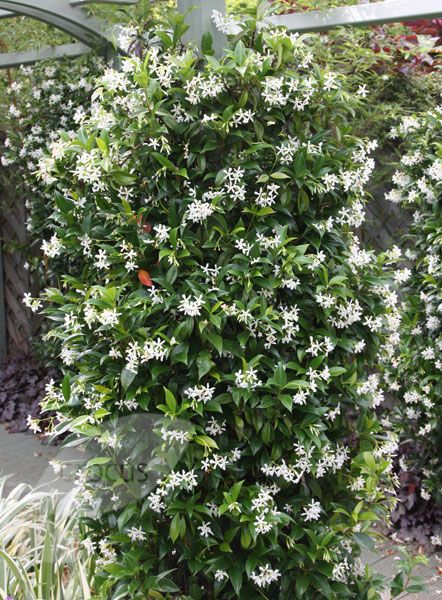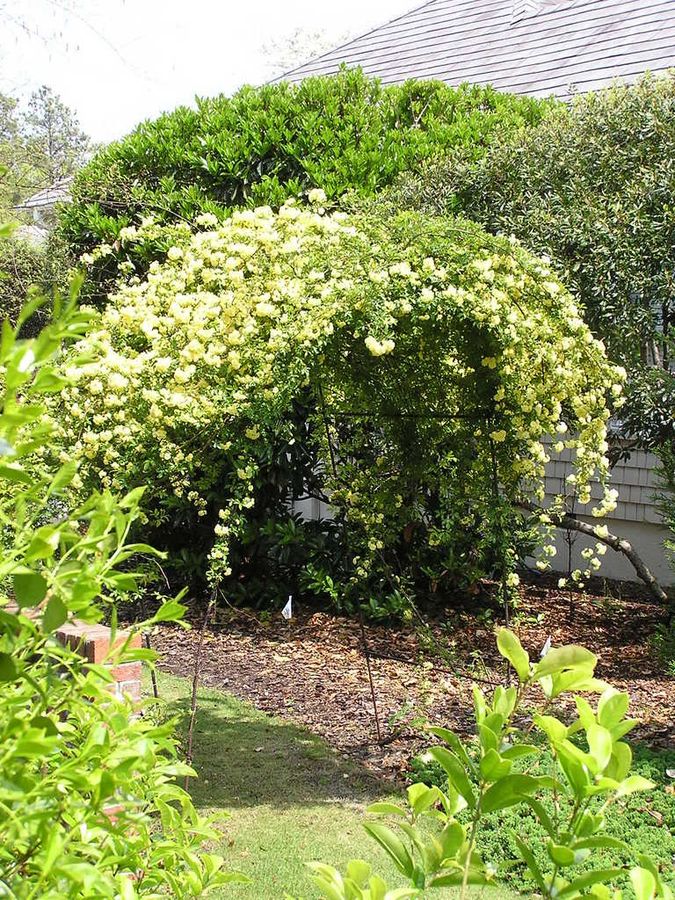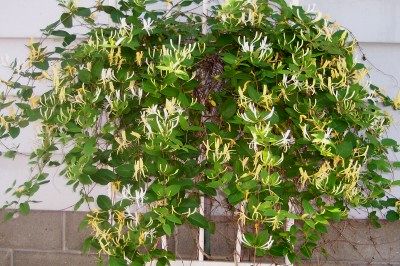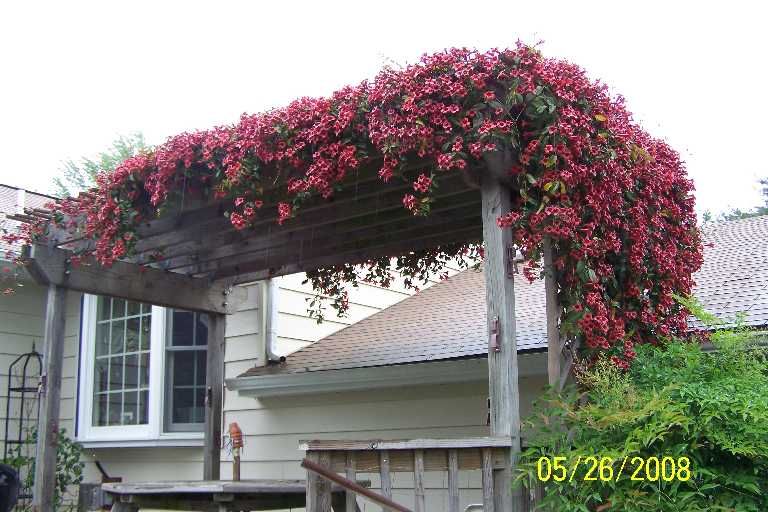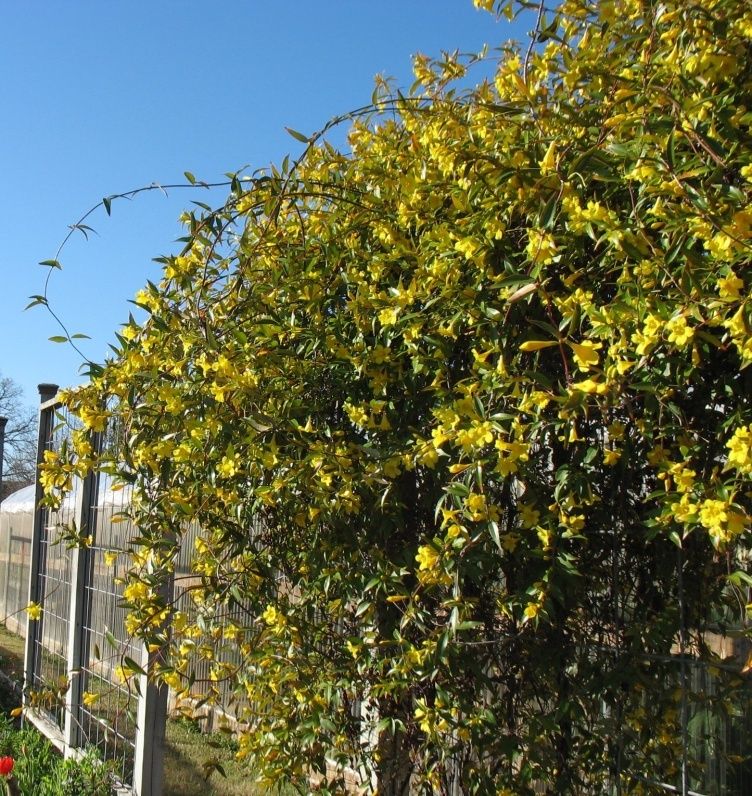
An evergreen twining vine with glossy, narrow leaves and fragrant yellow trumpet flowers from late winter into spring. It is cold hardy and well behaved, and its bloom brightens the garden at a time of year when little else is flowering.
Living with it in the Phoenix Valley
Watering
Follow the shrub schedule in our Landscape Care guide. It needs more support than desert vines through summer, and well-drained soil keeps the roots healthy.
Pruning
Prune shortly after flowering in spring. Given room to climb and sprawl, it needs little else.
Heat
It handles Phoenix heat but can look tired by late summer, especially in full afternoon sun. East and north exposures keep it looking its best.
Feeding
Light feeding during the growing season helps, but too much fertilizer reduces flowering.
How our designers use it
Winter color on fences and walls
Our designers use it to cover a wall or fence in a protected exposure, where its yellow bloom carries the garden through late winter.
Trellis and pergola posts
It twines on its own once started, so it climbs wire, lattice and posts with little training.
A cascading cover
Left to sprawl, it can drape over a low wall or cover a bank.
Good to know
Toxic if eaten
All parts of the plant contain toxic alkaloids, and the sap can irritate skin. Keep it away from play areas, and don’t confuse it with honeysuckle.
Around the pool
It has no thorns and drops little, so it is easy to place near seating. Flowers fall for a few weeks in spring.