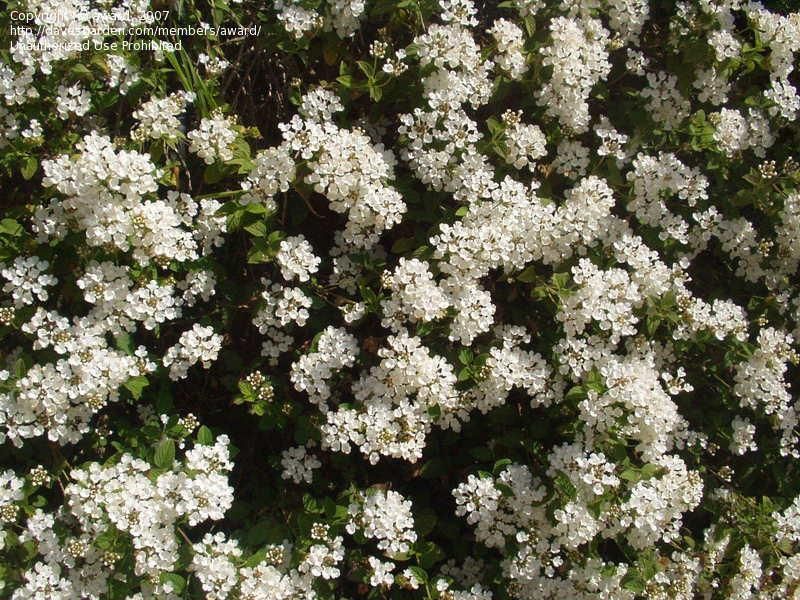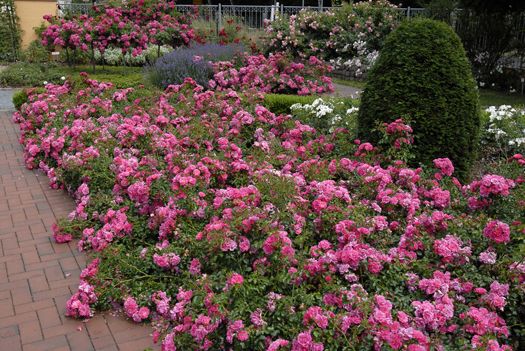
A low, spreading landscape rose bred for long bloom, disease resistance and easy care. It gives the classic look of roses in a groundcover form, and does best in Phoenix where it gets morning sun and some relief from the afternoon heat.
Living with it in the Phoenix Valley
Watering
Follow the shrub, groundcover and succulent schedule in our Landscape Care guide. Roses use more water than most groundcovers in this library, especially in summer, so they belong on a drip zone with other moderate-water plants rather than in a lean desert bed.
Pruning
Cut plants back by about a third in late winter, before spring growth starts. Beyond that, carpet roses need little; they don’t require deadheading.
Heat
Summer heat shrinks the flowers and slows bloom, so the best shows come in spring and again in fall. An east-facing spot with afternoon shade helps most. Avoid south- and west-facing walls that reflect heat.
Feeding
Roses like richer, better-drained soil than desert natives. Amending the bed at planting and feeding in spring keeps them growing and blooming.
How our designers use it
Entry walks and courtyards
A low band of color along an entry or courtyard bed, where people can enjoy the flowers up close.
Lush and traditional gardens
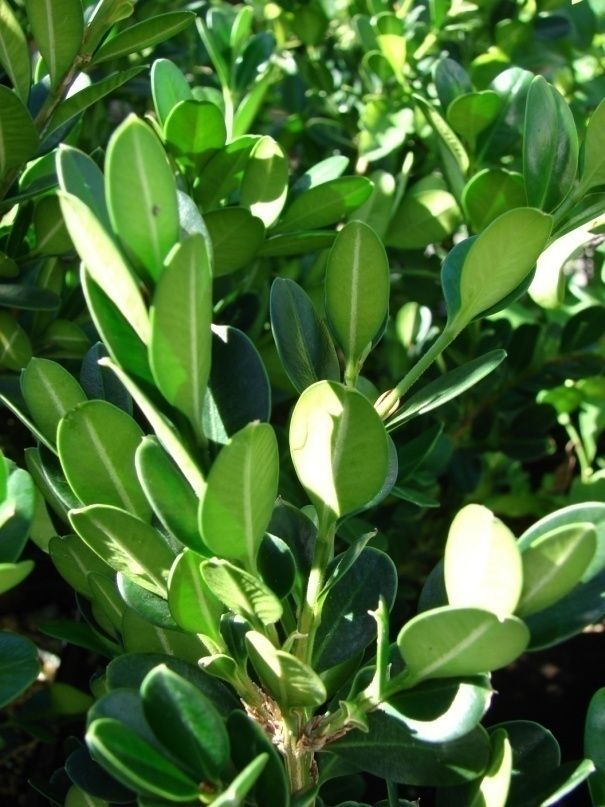
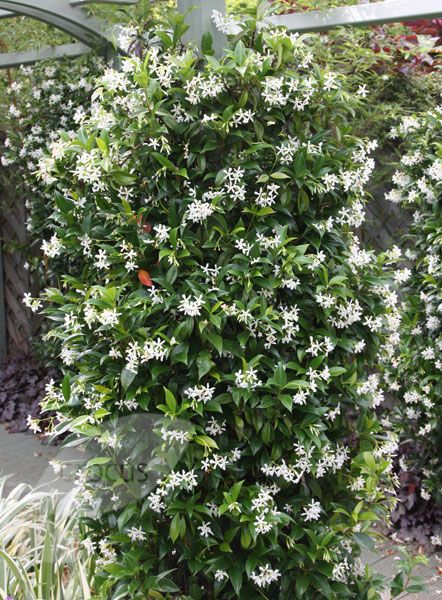
It suits more traditional plantings alongside boxwood, star jasmine and other moderate-water plants.
Low borders and banks
Its spreading habit covers a bed edge or gentle slope without the height of a shrub rose.
Good to know
Around the pool
The canes are prickly and petals drop through bloom season. Keep it back from pool edges and paths where bare legs brush past.
Water zones
Group it with other moderate-water plants. Mixed into a low-water desert bed, it will either struggle or push everything around it onto more water.