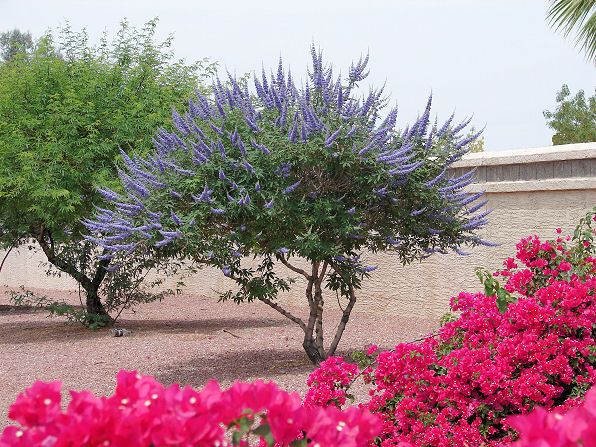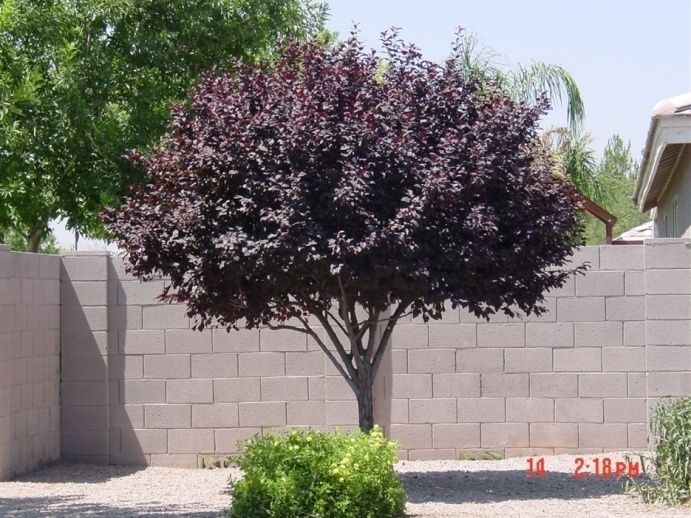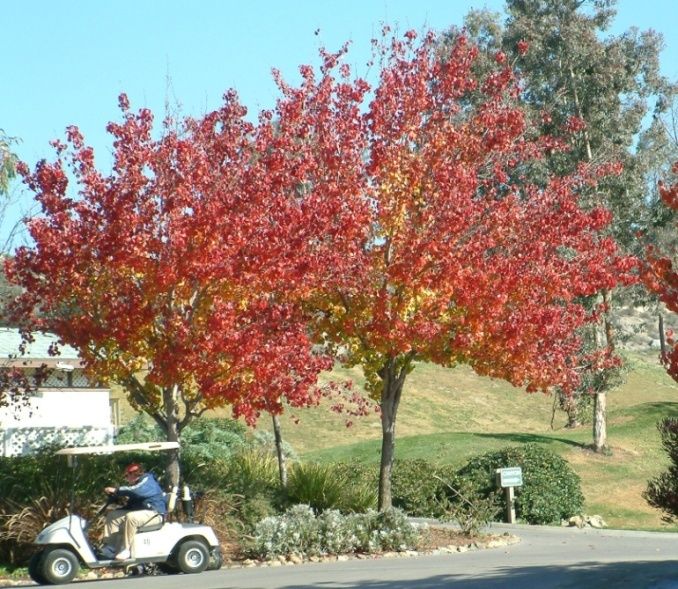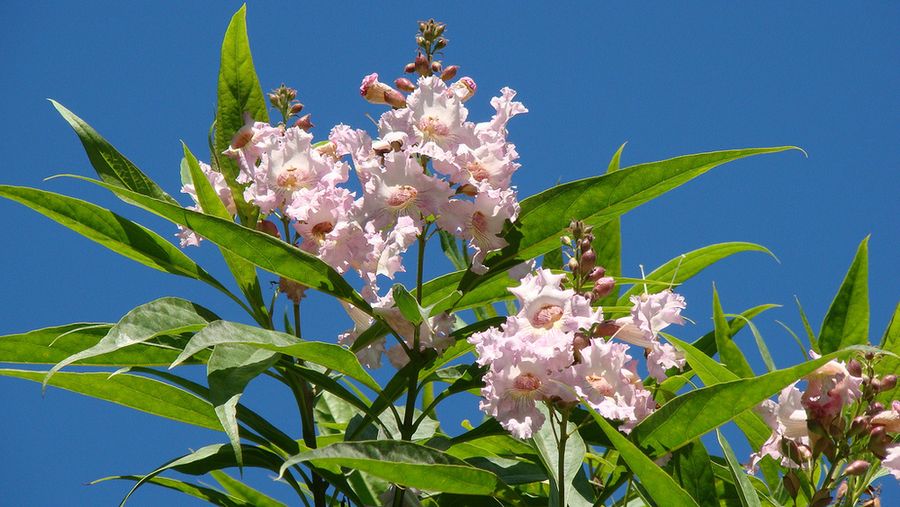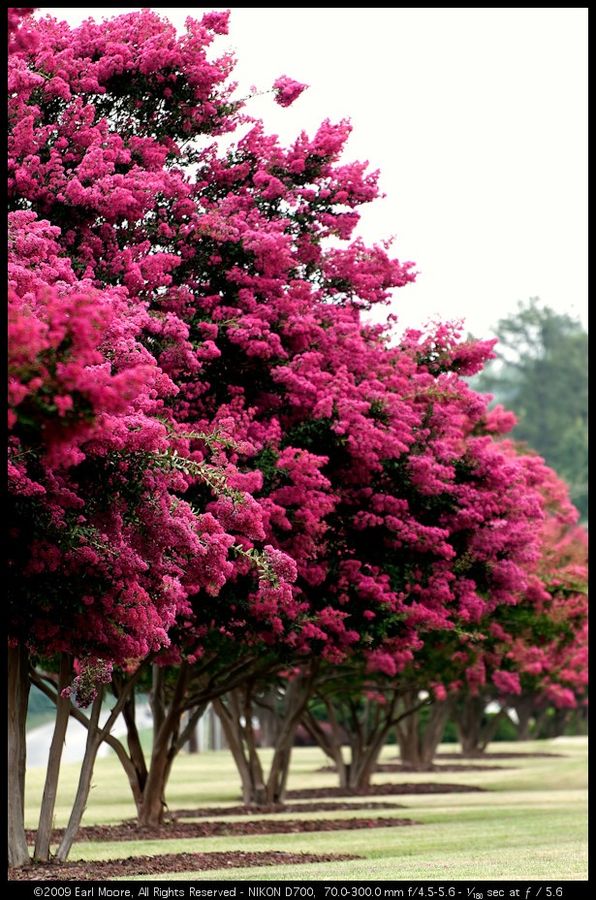
A small flowering tree known for large clusters of crinkled summer blooms, smooth peeling bark and fall color. In Phoenix it brings a lush, garden look to courtyards and entries when it gets regular water and a spot away from the hottest reflected heat.
Living with it in the Phoenix Valley
Watering
Follow the tree schedule in our Landscape Care guide. It is not a desert plant. Consistent summer water keeps the leaf edges from scorching; a dry tree drops leaves early and blooms less.
Pruning
Prune in late winter, before new growth. Remove crossing branches, basal suckers and old seed heads. Avoid cutting the main trunks back to stubs, which spoils the natural form and produces weak, crowded shoots.
Heat
Mid- to late-summer heat can brown the leaves, especially on west exposures beside walls or paving. Surrounding it with other plants, rather than rock and hardscape, keeps it cooler.
Pests
Aphids are common on new growth; a strong rinse or insecticidal soap usually handles them. Powdery mildew can appear where air circulation is poor.
How our designers use it
Courtyards and entries
Its modest size suits tight spaces, and multi-trunk forms show off the bark at eye level.
Summer color in a lush garden
Our designers like it where a yard has a greener, irrigated palette and needs color through the hottest months.
Containers and shrub borders
Dwarf varieties work in large pots and as flowering shrubs.
Good to know
Around the pool
Spent flowers drop through summer and leaves fall in late autumn. It can work near a pool with some cleanup, but keep it back from the water and out of the hottest pool-deck reflection.
Pets
Crape myrtle is not toxic to dogs, cats or horses.