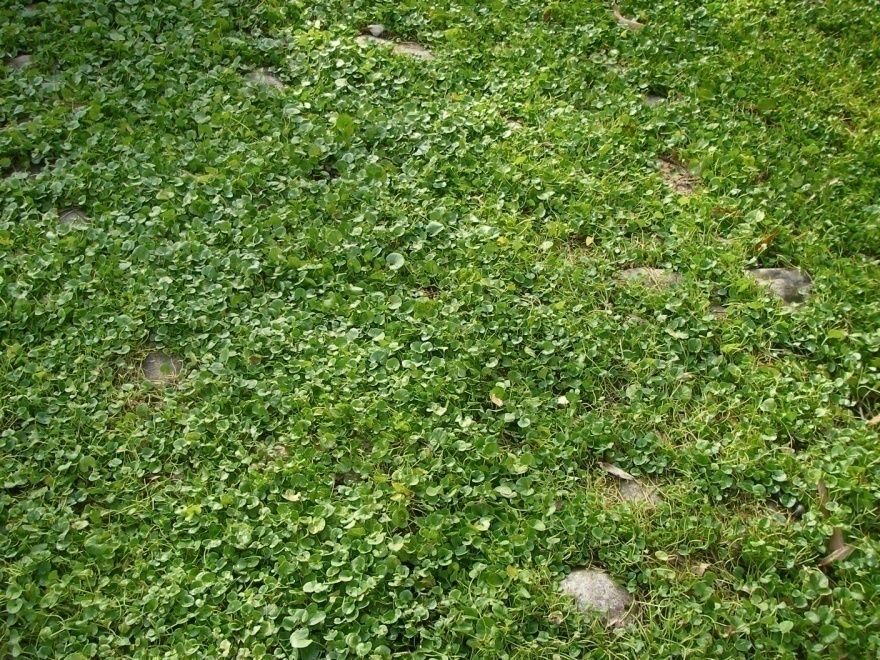
A very low, creeping groundcover with small, rounded, kidney-shaped leaves that knit into a soft green mat. In Phoenix it is most useful in shady spots where turf struggles, and it can be mowed short or left to grow naturally.
Living with it in the Phoenix Valley
Watering
Follow the shrub, groundcover and succulent schedule in our Landscape Care guide. Of all the groundcovers in this library, dichondra needs the most consistent moisture. It does not handle drought, and sunny plantings dry out fast in summer. Soil with organic matter helps it hold water.
Mowing
Mow now and then to keep it short and even, or let it grow naturally. Leaves stay small in sun and grow larger in shade.
Pests
The dichondra flea beetle is its main pest. Patches that brown out in warm weather are worth a closer look.
Weeds
Chemical weed control can be tricky around it, so plan on pulling weeds by hand.
How our designers use it
A lawn alternative in shade
Under trees or on the north side of the house, it gives a soft green carpet where grass thins out.
Between pavers
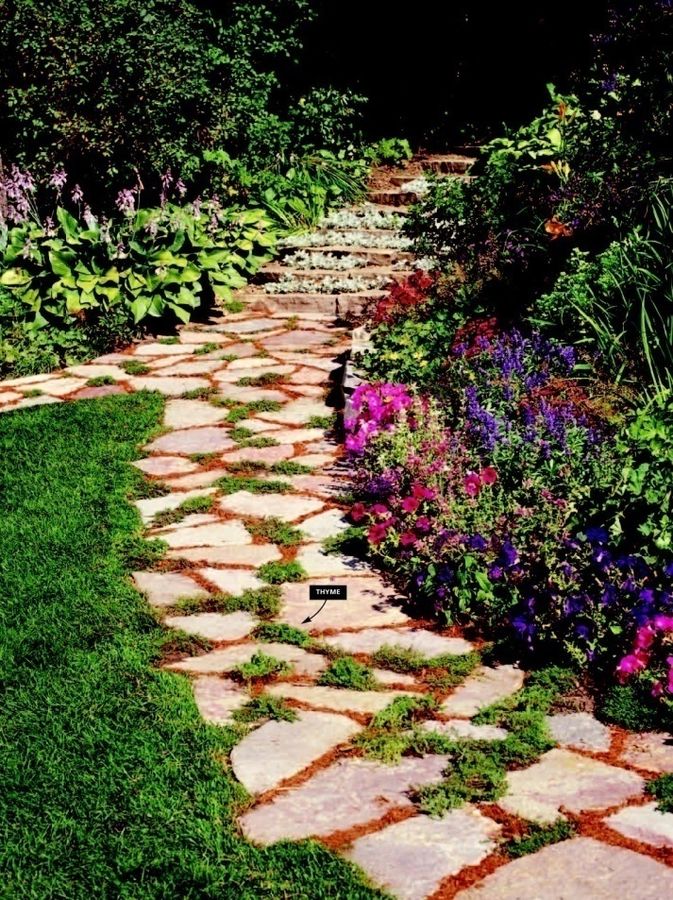
It fills joints between stepping stones and pavers in lightly used paths and courtyards.
Good to know
Around the pool
No thorns or litter, and it stays soft underfoot. It isn’t built for heavy traffic, though, so a busy path to the pool will wear through.
Spreading
It spreads by runners and self-seeds readily in Phoenix, so it can creep into nearby beds and gravel.