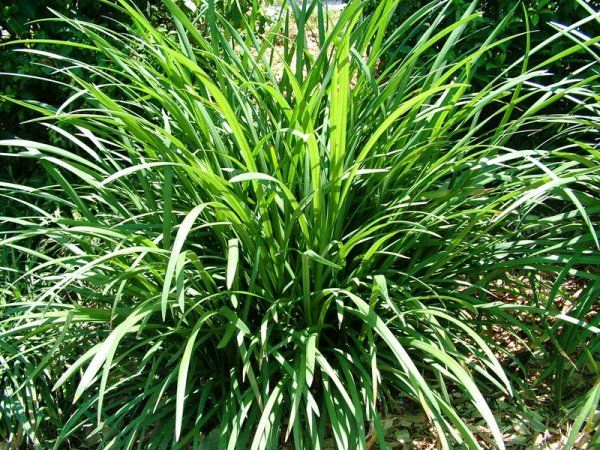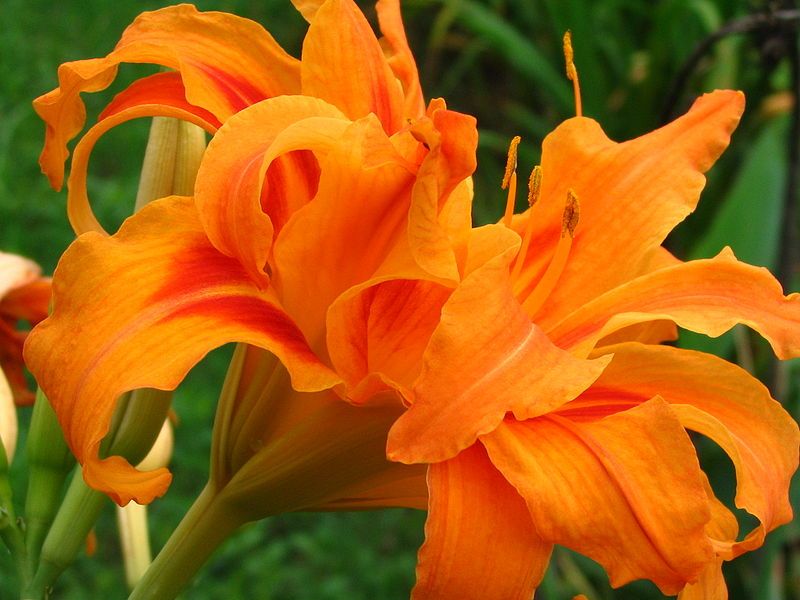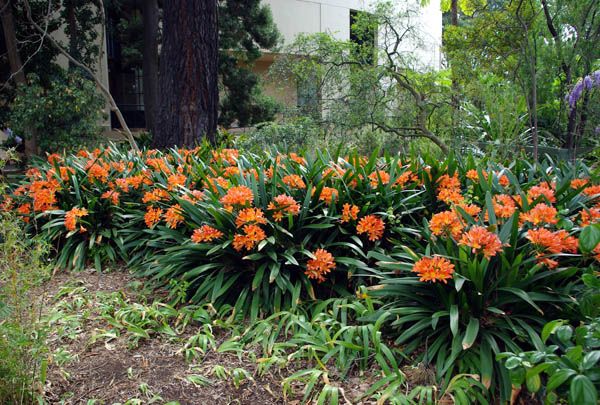
A clumping evergreen perennial from South Africa with glossy, dark green strap leaves and clusters of orange trumpet flowers. It is one of the few flowering plants that truly wants shade. In Phoenix it belongs on a north side, under a covered patio or beneath a dense canopy.
Living with it in the Phoenix Valley
Watering
Follow the shrub schedule in our Landscape Care guide. Keep the soil lightly moist through the warm months and let it dry slightly between waterings. Soggy soil and water sitting in the crown cause rot. It needs less water in winter.
Pruning
Very little needed. Cut spent flower stalks at the base and remove damaged leaves. Divide crowded clumps after bloom if it outgrows its space.
Sun and heat
Direct afternoon sun burns the leaves yellow within days in our summer. Gentle morning sun is the most it can take here.
Cold
Frost damages the leaves, and recovery is slow. Under a patio roof or dense canopy it usually needs nothing extra; in open beds, cover it on frost nights.
How our designers use it
Deep-shade beds
Our designers use it for north-facing beds and the shadow of courtyard walls, where most flowering plants struggle.
Covered patios and pots
It does well in containers, which can be moved under shelter on cold nights.
Lush layering
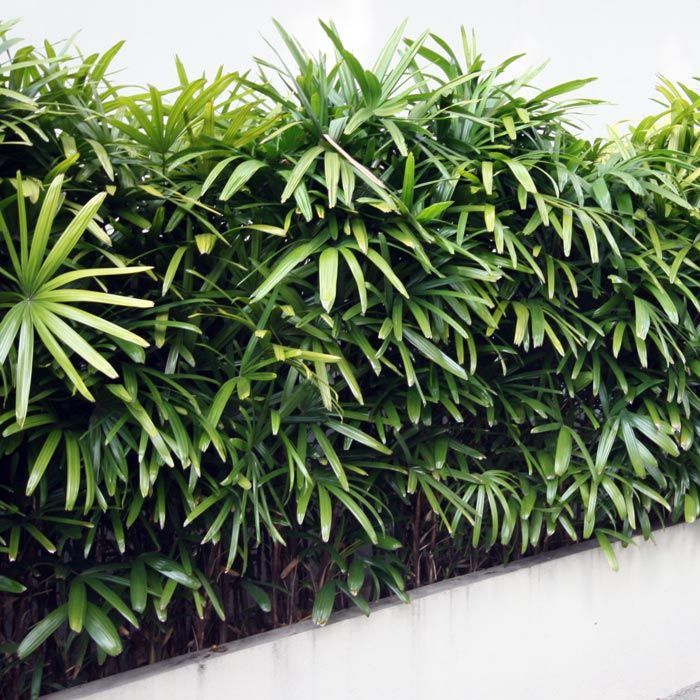
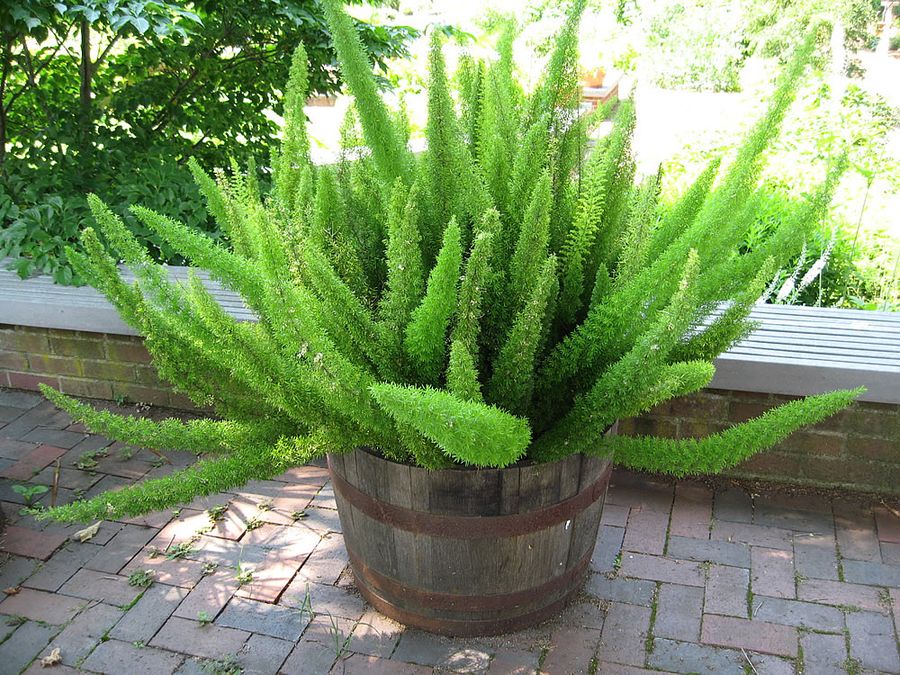
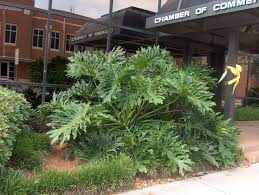
Its dark, glossy leaves pair with lady palms, foxtail ferns and philodendron for a layered, tropical look in protected spaces.
Good to know
Pets
Clivia is on the ASPCA’s list of plants toxic to dogs and cats. The fleshy base below ground is the most toxic part, so think about placement if pets dig or chew.
Around the pool
It is tidy, with little litter, but it needs shade, so it rarely suits an open pool deck. A shaded cabana or covered patio near the pool is a better fit.