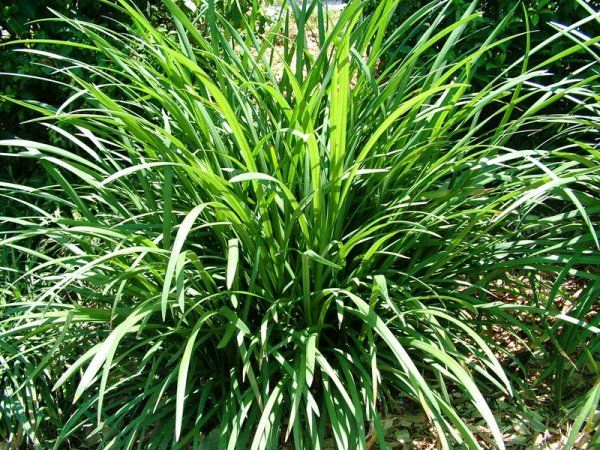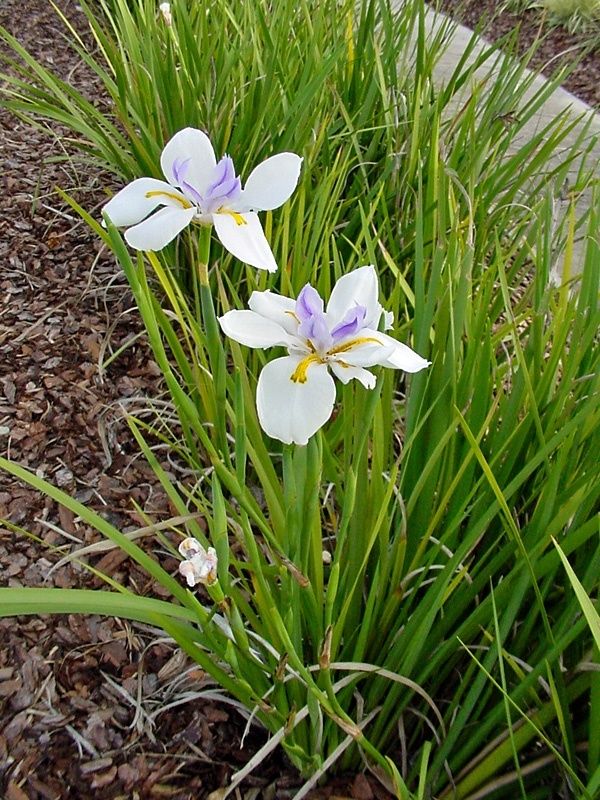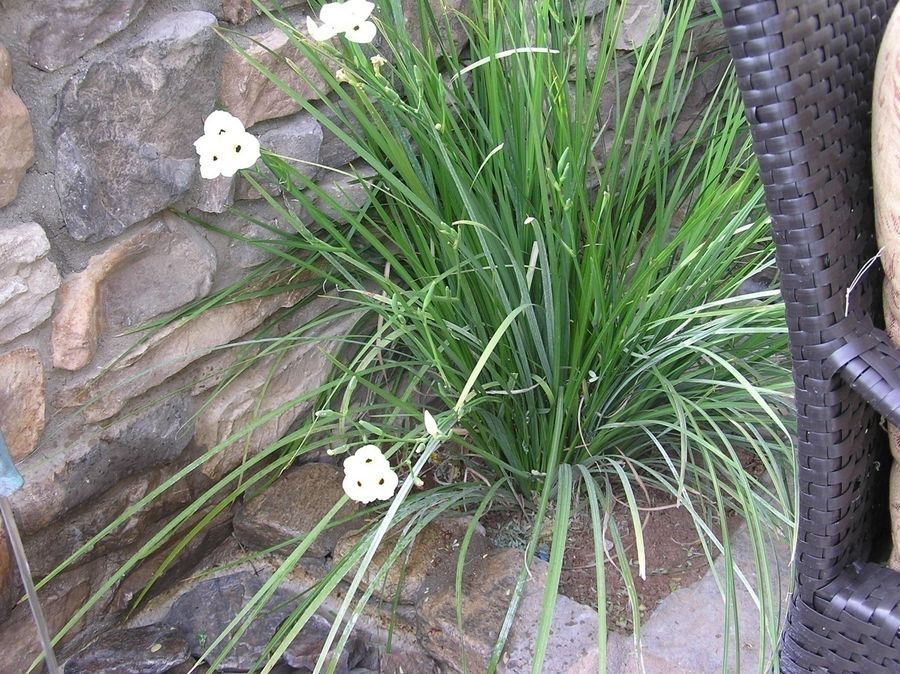
A South African relative of the iris, also called fortnight lily, with stiff, sword-shaped leaves and pale yellow flowers marked with dark blotches. It gives courtyards and water features a clean, lush, vertical look, and does best here with afternoon shade.
Living with it in the Phoenix Valley
Watering
Follow the shrub schedule in our Landscape Care guide. It likes steadier moisture than most desert plants and grows best in well-drained, amended soil. It does not tolerate salty soil.
Pruning
Cut spent flower stalks at the base and pull dead leaves out of the clump. Without this, clumps fill with brown foliage. Divide crowded clumps every few years in fall or winter. Cutting the whole plant back hard can renew it, but regular cleanup looks better.
Heat and sun
Hot afternoon sun burns the leaves. Morning sun, dappled shade under a tree, or the north and east sides of a house suit it best.
Feeding
A light feeding in spring and fall keeps the foliage green and the flowers coming.
How our designers use it
Around water features
Its upright, strappy leaves look natural beside fountains, ponds and pools, and it tolerates the extra moisture.
Courtyards and containers
It holds its shape year-round, so it works in pots and in the small, shaded beds of courtyards and entries.
Vertical texture
Our designers use it to break up mounding shrubs and groundcovers with a clean, upright line.
Good to know
Around the pool
No thorns and little mess as long as spent stalks and dead leaves are removed. It is one of the cleaner lush plants for a shaded pool-side bed.