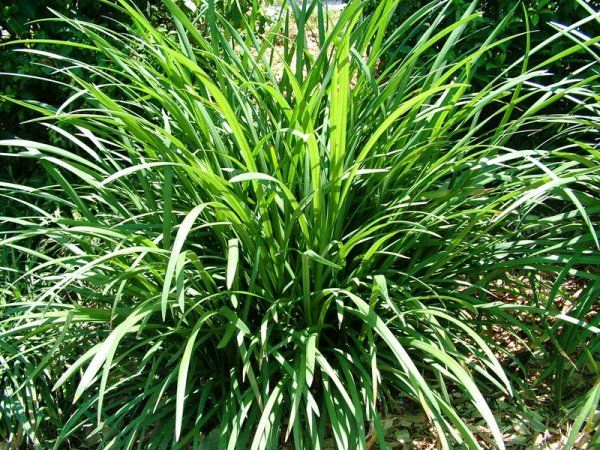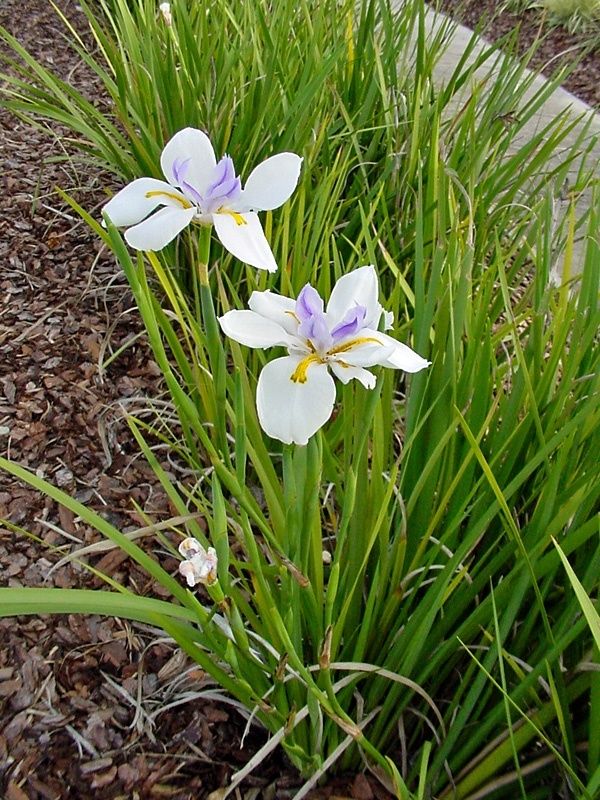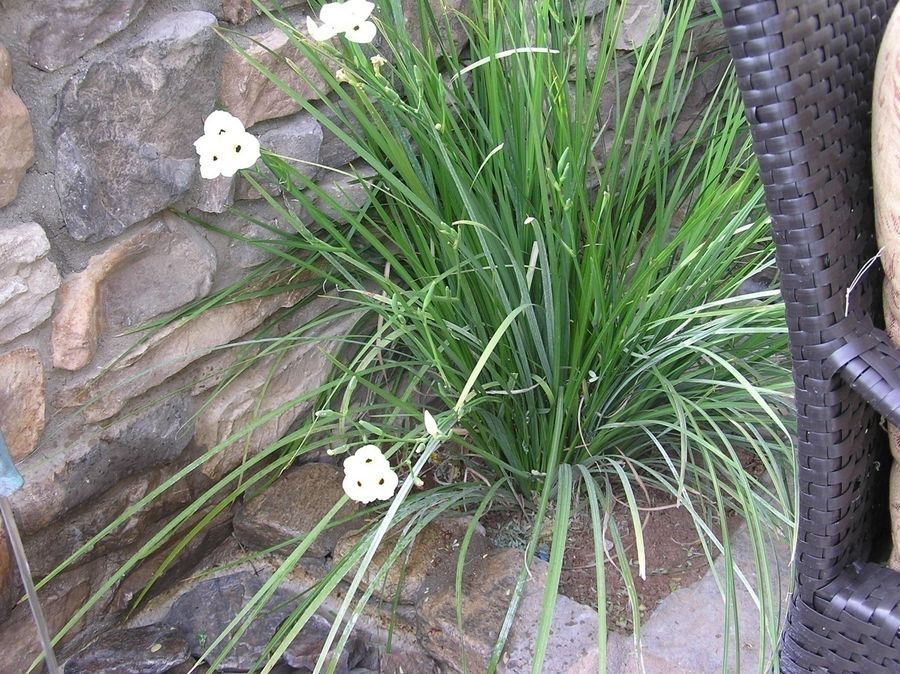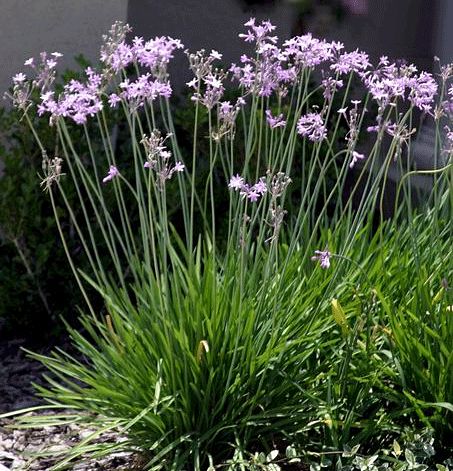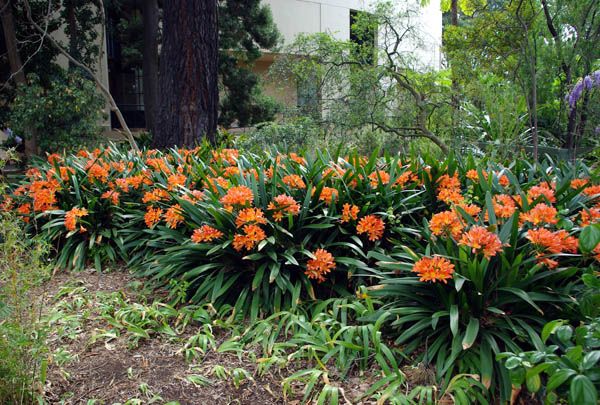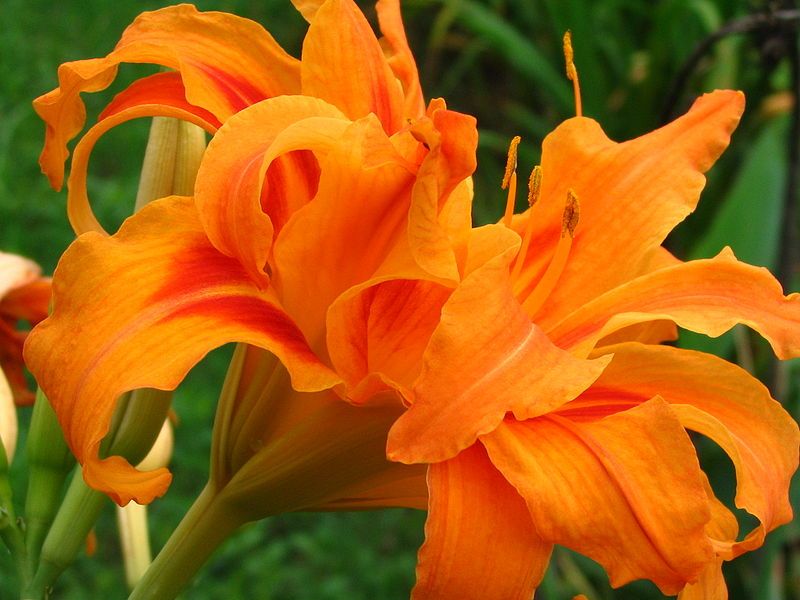
A clumping perennial with arching, strappy leaves and trumpet flowers on tall stalks. Each flower lasts a single day, but buds keep opening for weeks. In Phoenix it suits greener, irrigated gardens and does best out of the hot afternoon sun.
Living with it in the Phoenix Valley
Watering
Follow the shrub schedule in our Landscape Care guide. Daylilies are not drought plants. They need steady water through summer, especially while blooming, and a layer of mulch keeps the roots cooler. They do poorly in dry, desert-style plantings.
Pruning
Snap off spent flower stalks after bloom and pull dead leaves. Divide crowded clumps every three to five years, ideally in fall, to keep them flowering.
Heat
Our summers are hard on daylilies. Full western sun and 115°F days scorch the leaves and can kill plants, so filtered or afternoon shade makes a real difference.
How our designers use it
Lush borders
Our designers use it to edge beds in the greener, irrigated parts of a landscape, such as courtyards and lawn edges.
Layered with other strappy plants
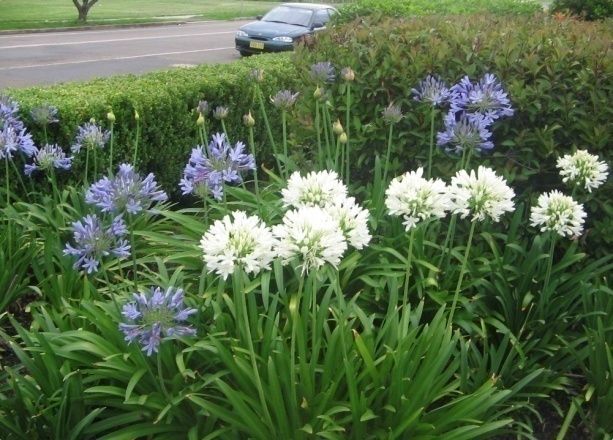
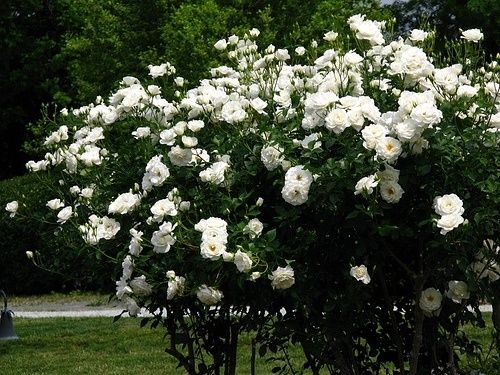
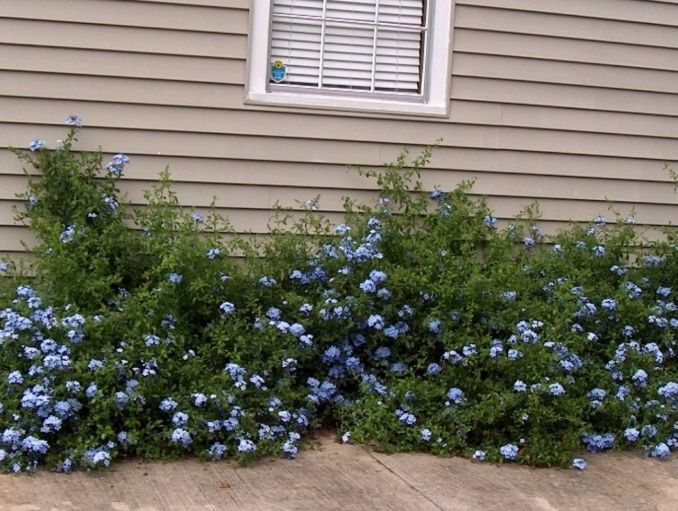
It pairs naturally with agapanthus, roses and plumbago for a soft, layered look.
Good to know
Pets
Daylilies are on the ASPCA’s toxic list for cats; eating any part can cause kidney failure. The ASPCA lists them as non-toxic to dogs.
Around the pool
Spent flowers drop daily in bloom season and attract bees. Keep plantings a step back from the water.