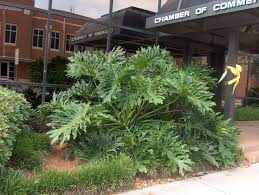
A big, bold tropical with deeply cut leaves up to two feet long. It surprises people by doing well in the Phoenix Valley, as long as it has shade, shelter and regular water. Our designers reach for it when a shaded courtyard or entry needs a lush, jungle feel.
Living with it in the Phoenix Valley
Watering
Follow the shrub schedule in our Landscape Care guide. This is not a low-water plant: it wants steady moisture through the warm months and slows down in winter. It does not like salty water or soil, so deep soaks that flush the root zone help.
Pruning
Remove yellowing or frost-damaged leaves at the base. Aerial roots can be left alone or tucked back into the soil. Wait until spring to cut back anything a freeze has burned.
Heat and sun
Afternoon sun and reflected heat scorch the leaves. A north or east exposure, or deep shade under a tree or overhang, keeps it looking its best.
Feeding
Light, regular feeding from spring through early fall keeps leaves large and deep green.
How our designers use it
Shaded courtyards
Its oversized leaves fill a shady corner that most desert plants would struggle in.
Entries and patios
In a large pot it brings a resort feel to a covered entry or patio, and stays more compact.
Tropical layering
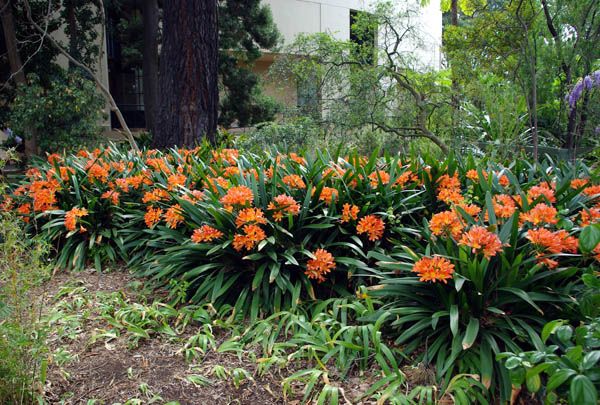
We pair it with palms, clivia and ferns to build a layered, lush planting near outdoor living spaces.
Good to know
Pets
The ASPCA lists this plant as toxic to dogs and cats. Chewing the leaves causes mouth irritation, drooling and vomiting.
Around the pool
Leaf drop is occasional and the leaves are large and easy to pick up. Keep it in shade rather than at a sunny pool edge.