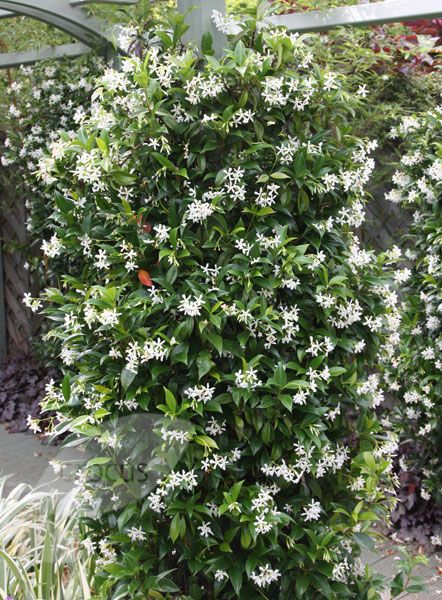
A small to medium flowering tree with glossy leaves and a cloud of white blossoms in late winter, when little else is in bloom. In Phoenix it does best in a protected eastern or northern spot with regular water, where it gives a soft, garden feel to courtyards and entries.
Living with it in the Phoenix Valley
Watering
Follow the tree schedule in our Landscape Care guide. It needs regular water through summer, but soil that stays soggy, as in or beside a lawn, can bring on yellow leaves from iron deficiency in our alkaline soils.
Pruning
Its natural shape is irregular and open, so young trees benefit from corrective pruning. Let the canopy hang low enough to shade the trunk, avoid heavy summer thinning, and remove suckers and water sprouts from the trunk and base.
Heat and sunburn
It scorches in full afternoon sun, and the south and west sides of the trunk sunburn easily. An east or north exposure, surrounded by plants rather than paving, makes a real difference.
Pests and disease
Fire blight, a bacterial disease that blackens shoot tips, is a serious problem in wetter climates but relatively uncommon here. Cut out any affected shoots well below the damage.
How our designers use it
Late-winter flowers
Its bloom bridges the gap between winter and spring, when most of the garden is resting.
Courtyards and east-facing entries
Our designers like it in protected spaces where walls block the afternoon sun.
A lush accent
It suits greener, garden-style plantings rather than open desert landscapes.
Good to know
Around the pool
Petals drop over a few weeks in late winter, followed by small fruit and some leaves. Keep it back from the water and away from hot pool decking.
Leaf drop
Despite the name, it is semi-evergreen. Expect some color and leaf drop in early winter.