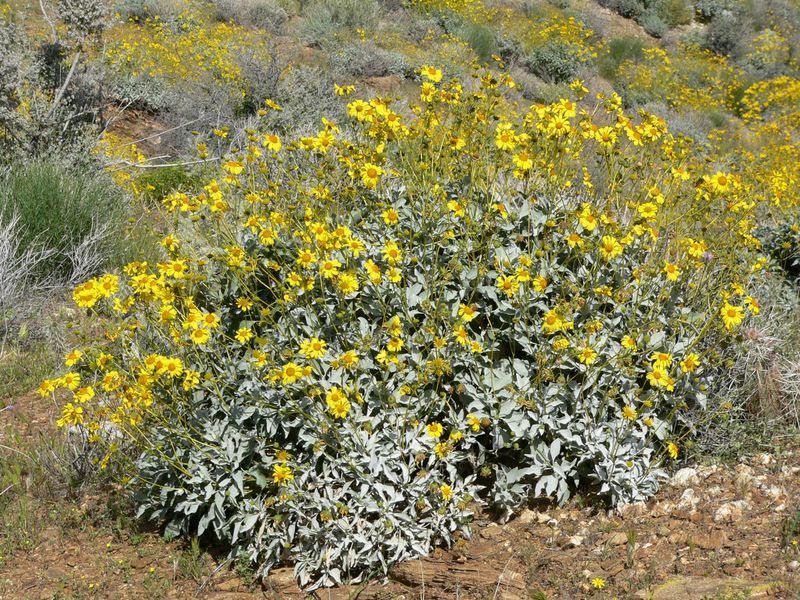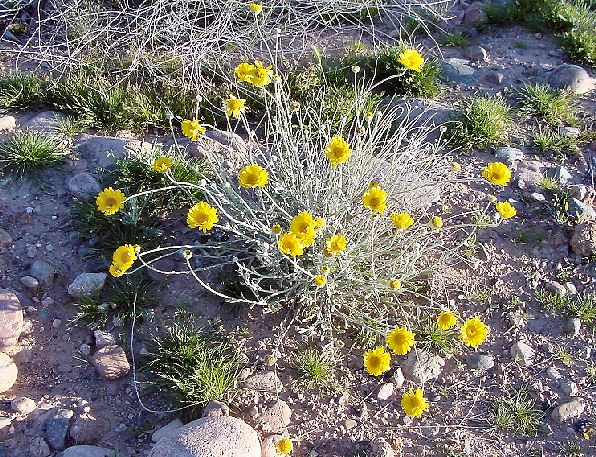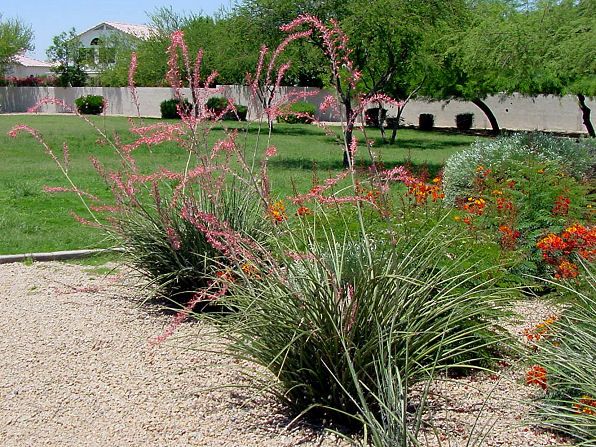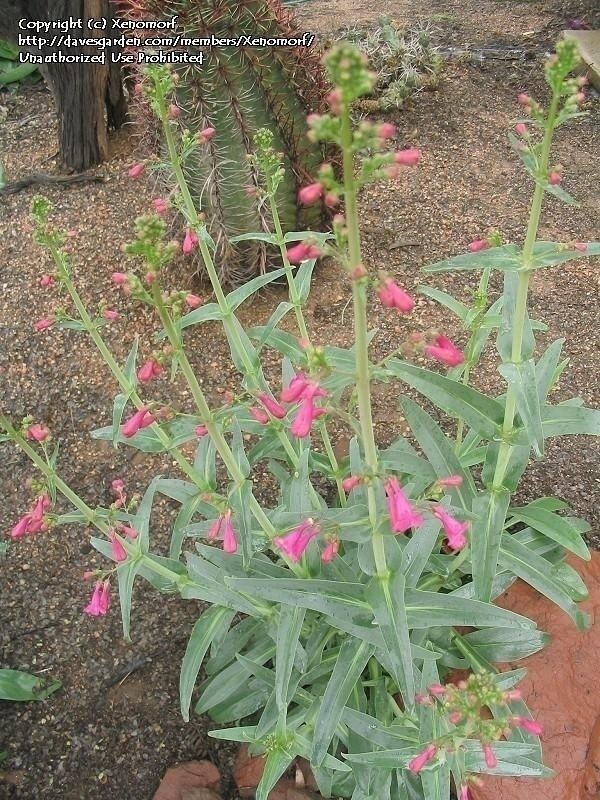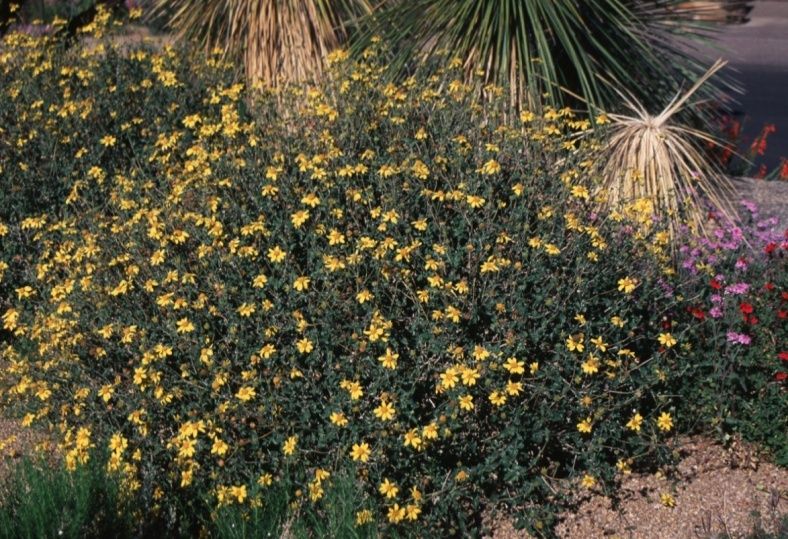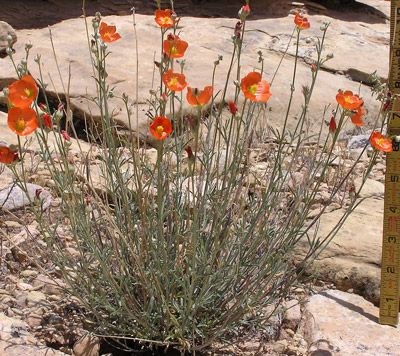
A tough Sonoran Desert native with soft gray-green leaves and cup-shaped flowers, most often bright apricot-orange but also pink, white or lavender. It grows fast, blooms heavily in spring and lives on very little water.
Living with it in the Phoenix Valley
Watering
Follow the shrub schedule in our Landscape Care guide, then keep it lean; this is a true desert native. It survives on rainfall alone once established, but an occasional deep soak in spring brings more flowers. Too much water makes it lanky.
Pruning
Cut it back after the main spring bloom to tidy the plant and encourage a fresh flush of flowers. Wear gloves and keep your hands away from your eyes while you work.
Reseeding
It reseeds readily. Pull extra seedlings while they are small, or let a few fill gaps in a natural planting.
How our designers use it
Spring color on little water
It brings a strong burst of warm color to native and desert gardens without asking for more irrigation.
Natural, open areas
Our designers use it in drifts along washes and rock areas, where reseeding reads as natural rather than messy.
Under desert trees
It sits well beneath palo verdes and mesquites with brittlebush and desert marigold.
Good to know
Around the pool
No thorns, but bees visit the flowers heavily and the fuzzy leaves and seeds shed. Better a few steps back from the water.
Handling
The star-shaped leaf hairs are why it is sometimes called “sore-eye poppy.” Gloves and sunglasses make pruning more comfortable.