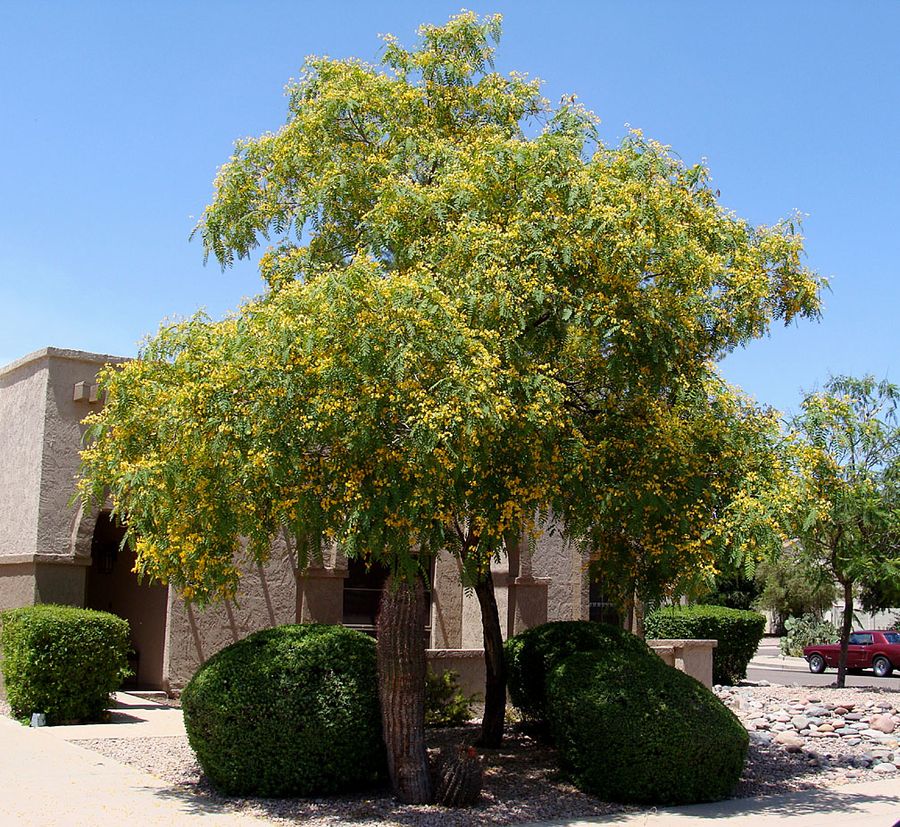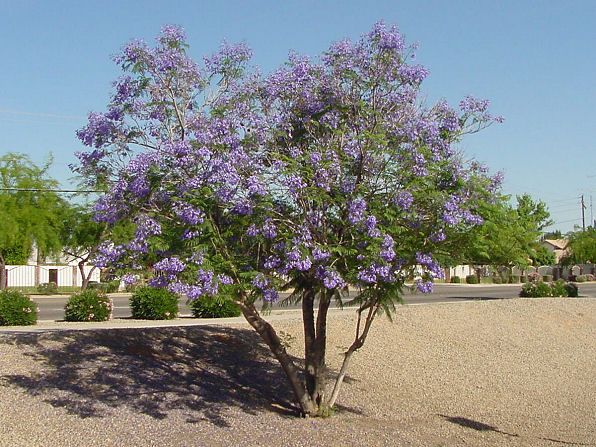
A fast-growing shade tree with fine, fern-like leaves and a spring show of lavender-purple flowers. In the right spot it gives one of the Valley’s most memorable blooms, but it needs regular water, a sheltered trunk and protection from hard freezes.
Living with it in the Phoenix Valley
Watering
Follow the tree schedule in our Landscape Care guide. Jacaranda needs more water than a desert tree to hold a full canopy through summer. Drainage matters as much as the amount; soggy, poorly drained soil invites root rot.
Pruning
Train young trees to one central trunk with well-spaced limbs, since the wood is brittle and tight crotches can split. Raise the canopy slowly and conservatively, and remove dead branches as the tree matures.
Heat/sunburn
The trunk is very prone to sunscald in Phoenix heat. Keep enough low branching to shade it, and avoid planting where west or reflected sun hits the bark.
Cold
Hard freezes can damage young trees and kill back branch tips. Established trees usually regrow, but a warm, sheltered spot helps in colder yards.
How our designers use it
A seasonal centerpiece
Placed where it can be seen from inside the house or across the yard, it gives a few weeks of purple bloom each spring.
Shade over lush plantings
Its open, wide canopy casts light shade over turf and well-watered beds, which suits its water needs far better than a dry gravel yard.
Color pairing
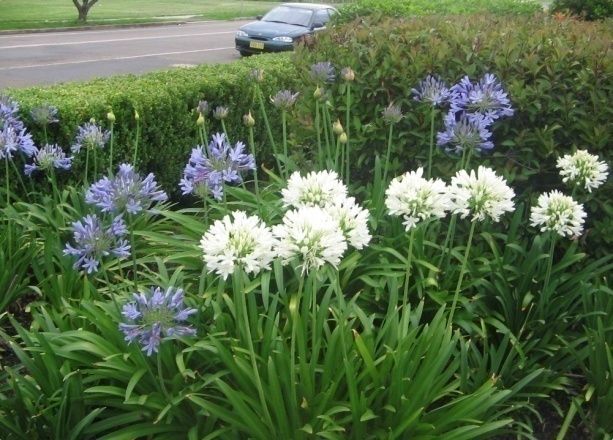
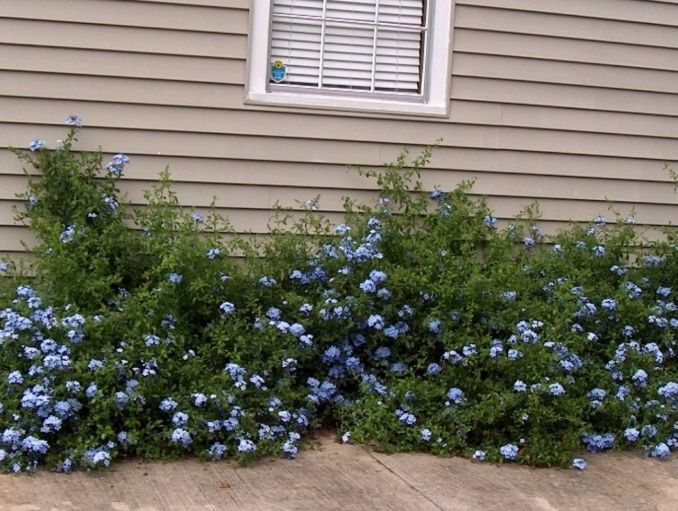
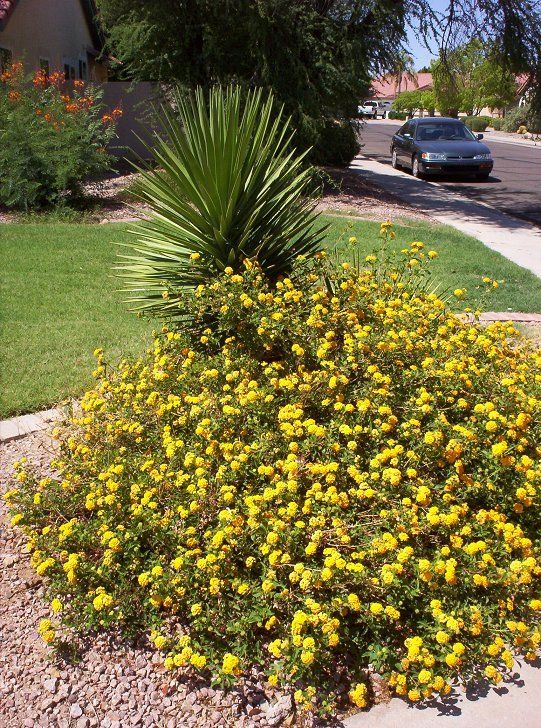
We like its purple bloom above yellow and blue flowering plants that share the same watering zone.
Good to know
Around the pool
Flowers, fine leaves and woody pods drop in waves through the year, and older trees can form large surface roots. We keep it well away from pools and spas.
Wind
The wood is brittle, so good early structure is the best defense against monsoon breakage.