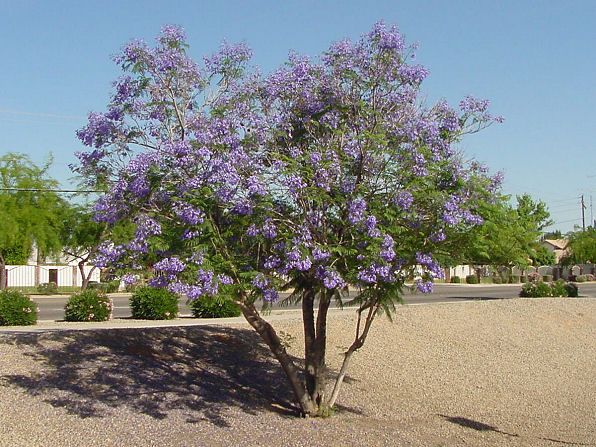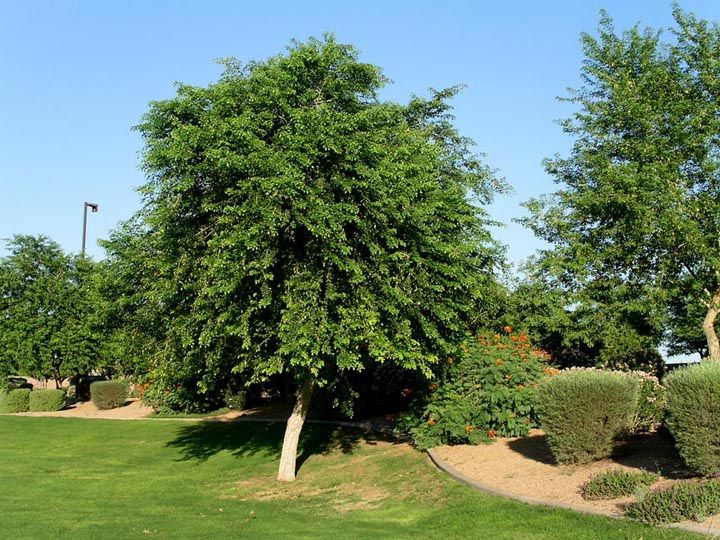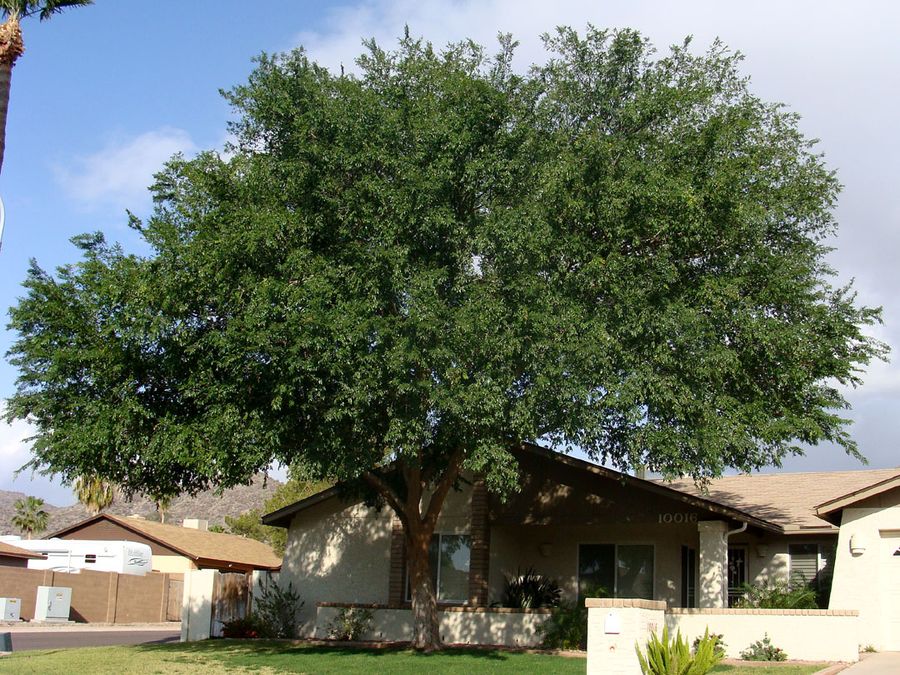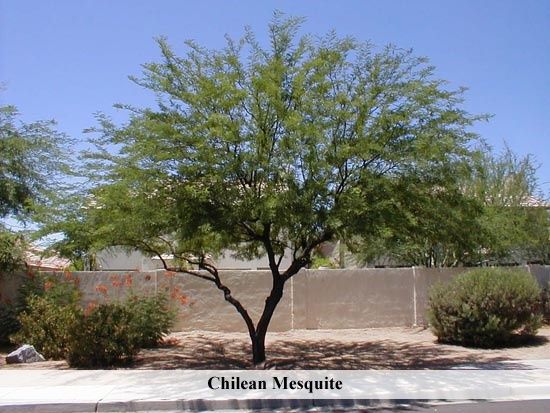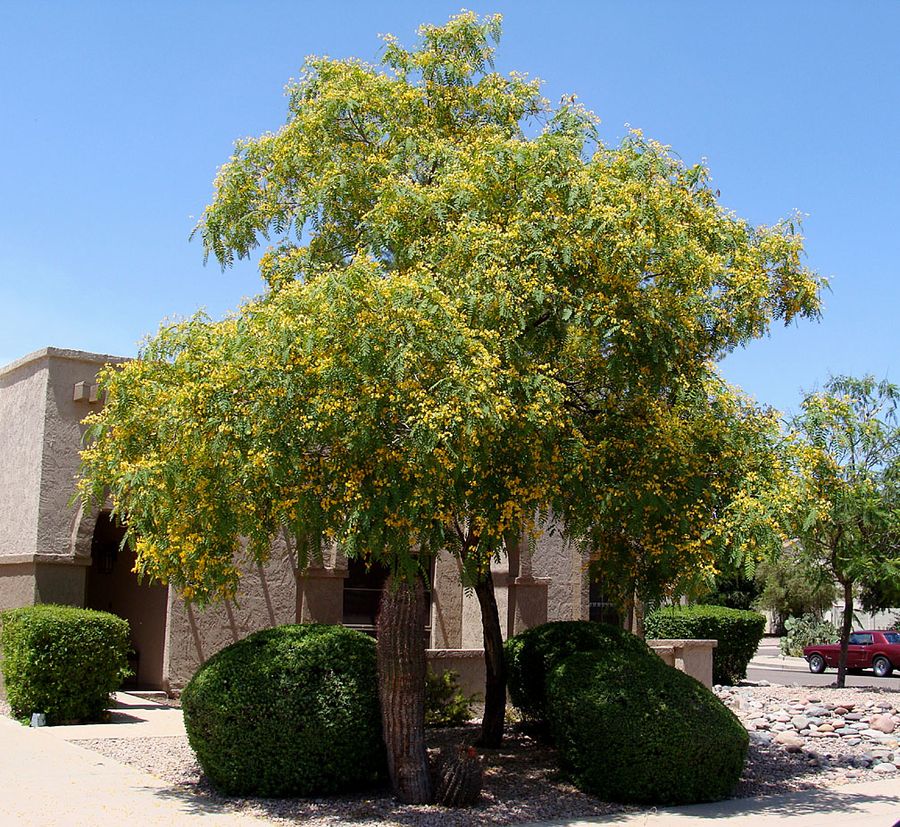
A large South American shade tree with fine, bright green leaves, a broad umbrella canopy and yellow-apricot flowers in early summer. It is chosen for big, lush shade over a lawn or oasis area, and it needs more water and care than desert trees to thrive in Phoenix heat.
Living with it in the Phoenix Valley
Watering
Follow the tree schedule in our Landscape Care guide, and expect it to need regular deep water for life. It does not become drought tolerant here. A dry spell in summer shows up quickly as scorched leaves and thin canopy.
Pruning
Train young trees to one strong trunk and remove competing low stems early. Codominant stems can split later in monsoon winds. Thin rather than top to reduce wind load.
Heat
Extreme summers have been hard on tipus in the Valley, especially near concrete and asphalt. It does best in a well-watered lawn or garden area, away from reflected heat.
Feeding
Alkaline soil can cause yellowing between the leaf veins. An iron or micronutrient treatment in spring usually corrects it.
How our designers use it
Shade over lawn or play areas
Its wide, open canopy covers a large area with soft, filtered shade where grass and people both stay cooler.
A lush, tropical feel
In an oasis-style backyard, it gives the soft, layered canopy that desert trees can’t.
Where water is part of the plan
We reserve it for homeowners comfortable with ongoing irrigation; in low-water yards we usually suggest a desert shade tree instead.
Good to know
Around the pool
It drops a lot of leaves, flowers and winged pods through the year. We generally keep it well away from pools and spas.
Size
It gets big. Give it room from the house, walls and overhead lines, and plan for a broad canopy from the start.