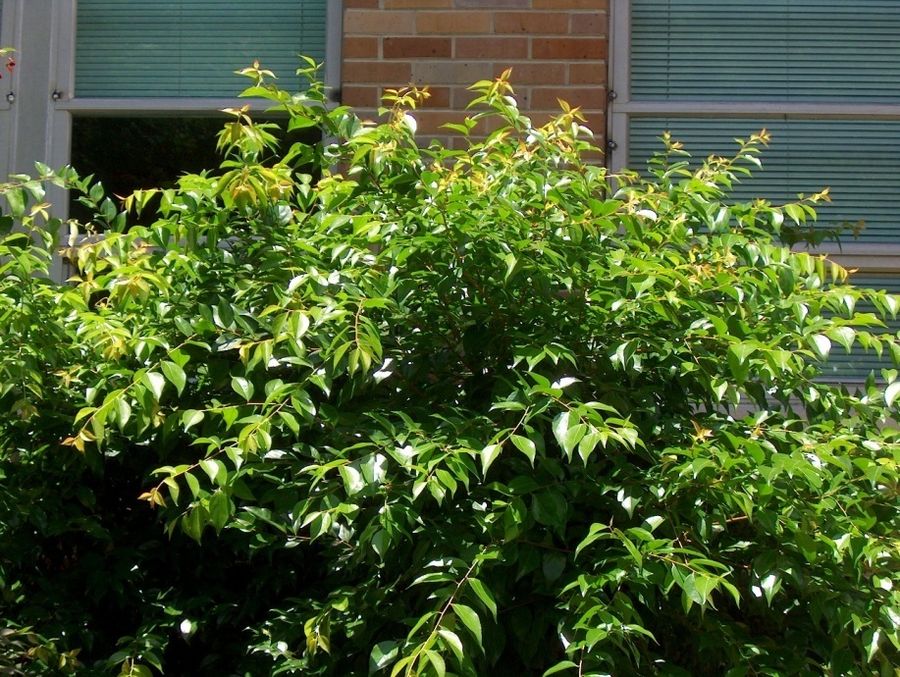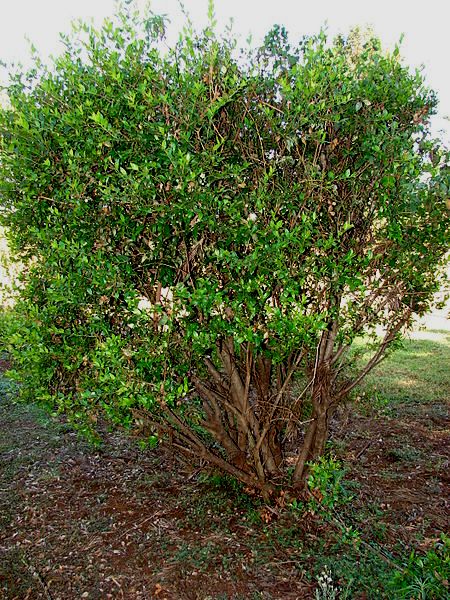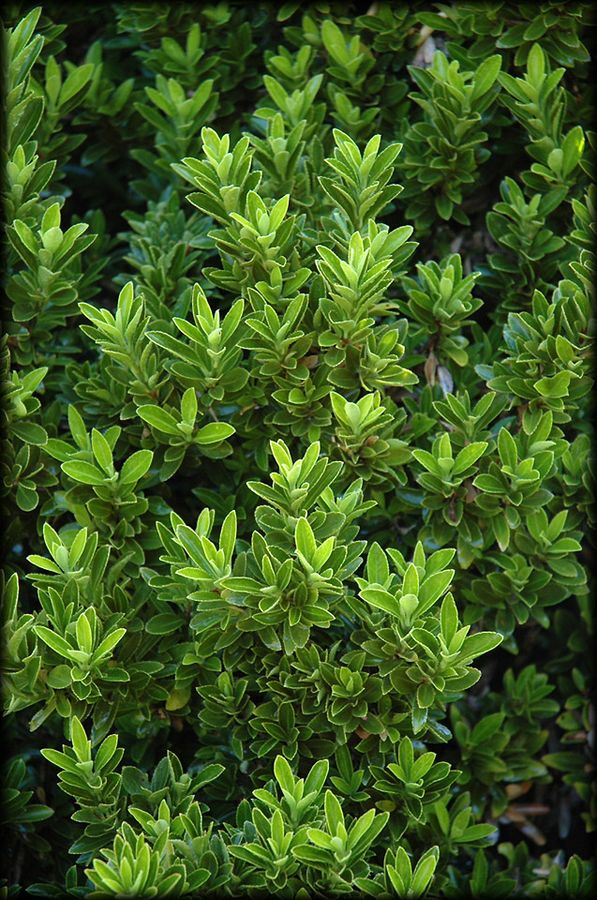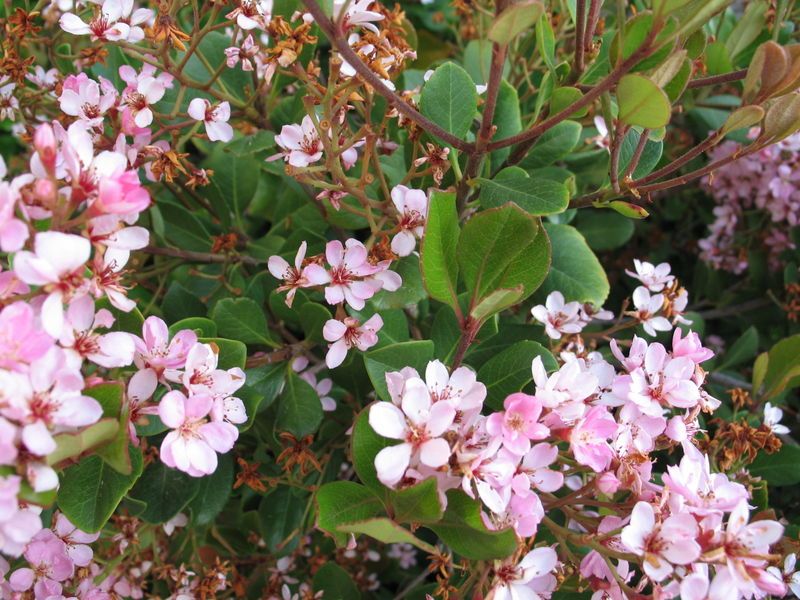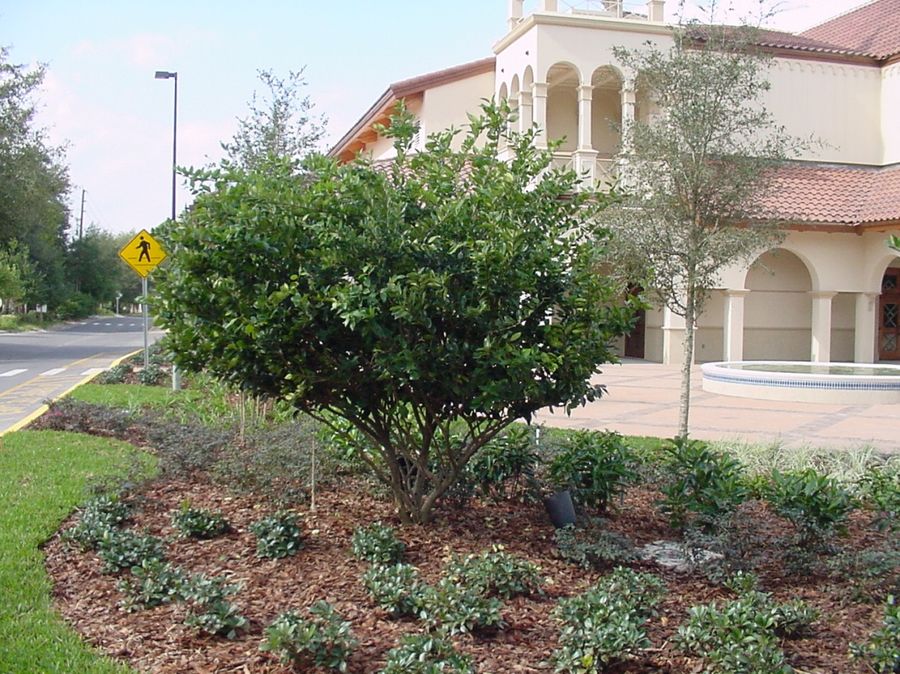
A dense, glossy evergreen that takes shearing better than almost anything else. It is a classic choice for formal hedges, screens and topiary, and it stays green year round in courtyards and on east-facing walls.
Living with it in the Phoenix Valley
Watering
Follow the shrub schedule in our Landscape Care guide. This is not a desert plant, and it does best with steady water through summer. Good drainage matters too; constantly wet, alkaline soil can turn the leaves yellow.
Pruning
It tolerates almost any style, from a loose shrub to a tight formal hedge or topiary. Shearing after the spring bloom also removes most of the flowers before they set berries. Keep the base a little wider than the top so the lower branches stay leafy.
Heat and sunburn
Full western sun and reflected heat scorch the leaves. It looks best with morning sun and afternoon shade, or bright filtered light.
Pests
Spider mites and scale can show up. Texas root rot is the most serious concern in Phoenix soils, so avoid planting where cotton root rot has killed plants before.
How our designers use it
Formal hedges
It shears into clean, crisp lines for courtyard walls, garden rooms and traditional landscapes.
Screens in partial shade
On north and east sides of the house, where many desert shrubs grow thin, it fills in as a full green screen.
Small trees and topiary
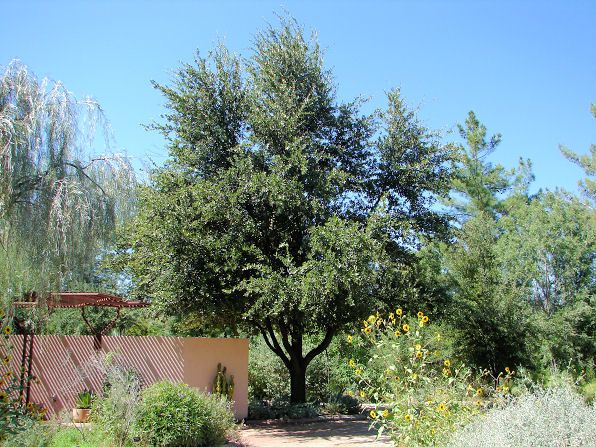
Trained to one or a few trunks, it becomes a compact patio tree for tight spaces.
Good to know
Around the pool
Spring flowers drop, and the dark berries can stain light paving and pool decking. Keep it back from the water’s edge or shear it after bloom to limit fruit.
Pets
The ASPCA lists privet as toxic to dogs, cats and horses. Eating the leaves or berries can cause stomach upset.