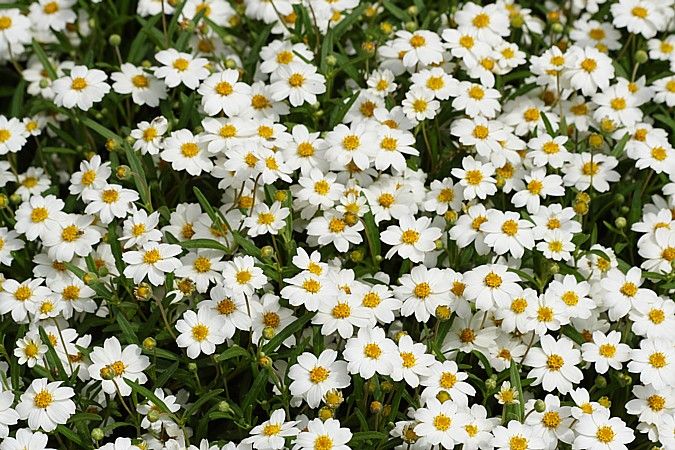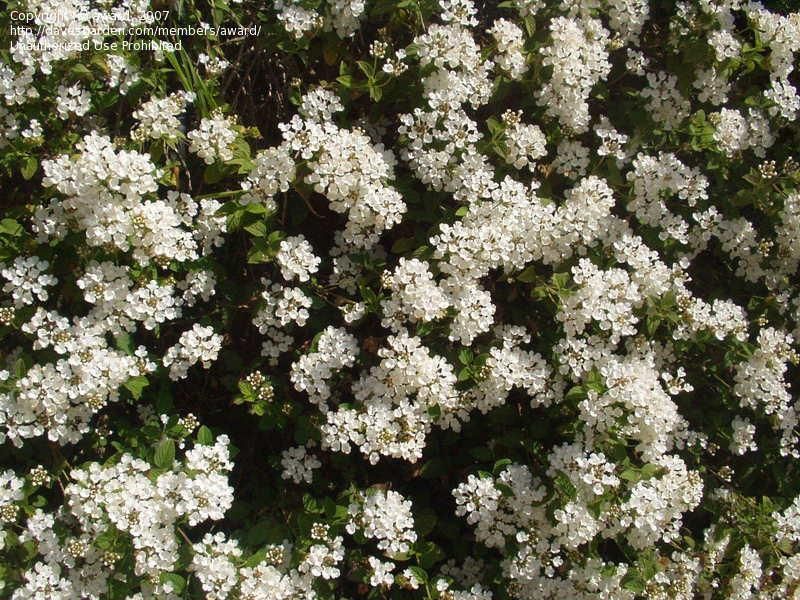
The white-flowered form of trailing lantana, with the same low, spreading habit and long bloom season as the familiar purple. Clean white flowers read well against dark gravel and modern architecture, and they show up beautifully in evening light.
Living with it in the Phoenix Valley
Watering
Follow the shrub, groundcover and succulent schedule in our Landscape Care guide. Like the purple form, it wants more water than most desert groundcovers, especially in summer, and it needs soil that drains well.
Pruning
Leave frost damage in place until frost danger has passed, usually March, then cut back to about 6″. A light trim during the season keeps it tidy and encourages fresh bloom.
Cold
A hard freeze can brown it to the ground. It recovers from the base as the weather warms.
Pests
Watch for whiteflies in late summer and early fall.
How our designers use it
Moonlight gardens
White flowers glow at dusk, so our designers like it near patios and outdoor rooms used in the evening.
A calm, modern palette
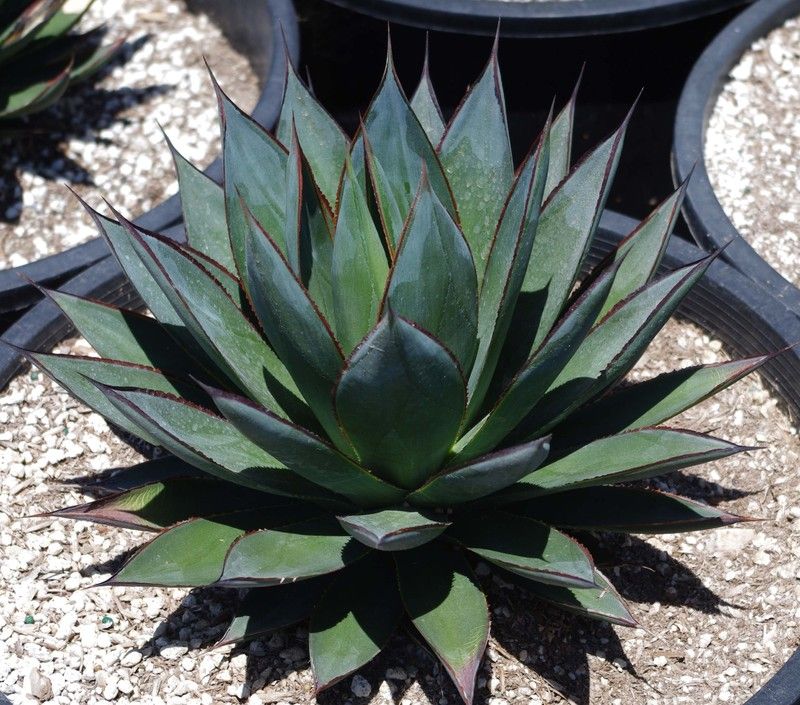
It pairs well with blue agaves and gray-green foliage when a bed calls for restraint instead of a mix of bright colors.
Over walls and planters
The trailing stems soften hard edges and spill over raised beds.
Good to know
Around the pool
Thornless and soft, so it can sit near decks. Flowers draw butterflies and some bees, so we keep it back from the water’s edge.
Berries and pets
Lantana berries are poisonous if eaten. The ASPCA lists lantana as toxic to dogs, cats and horses.