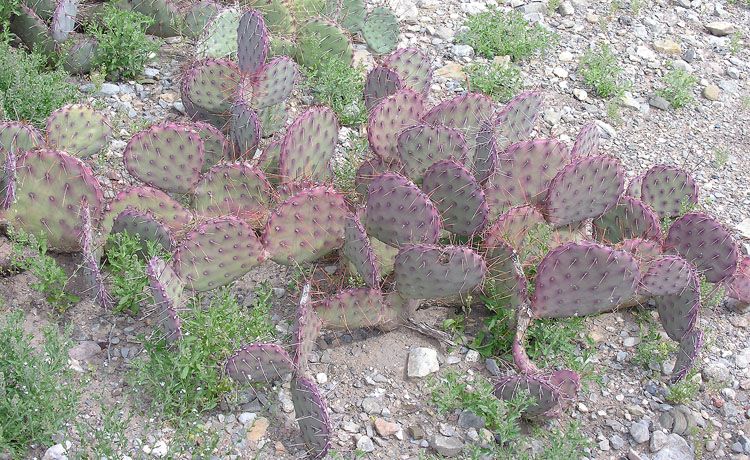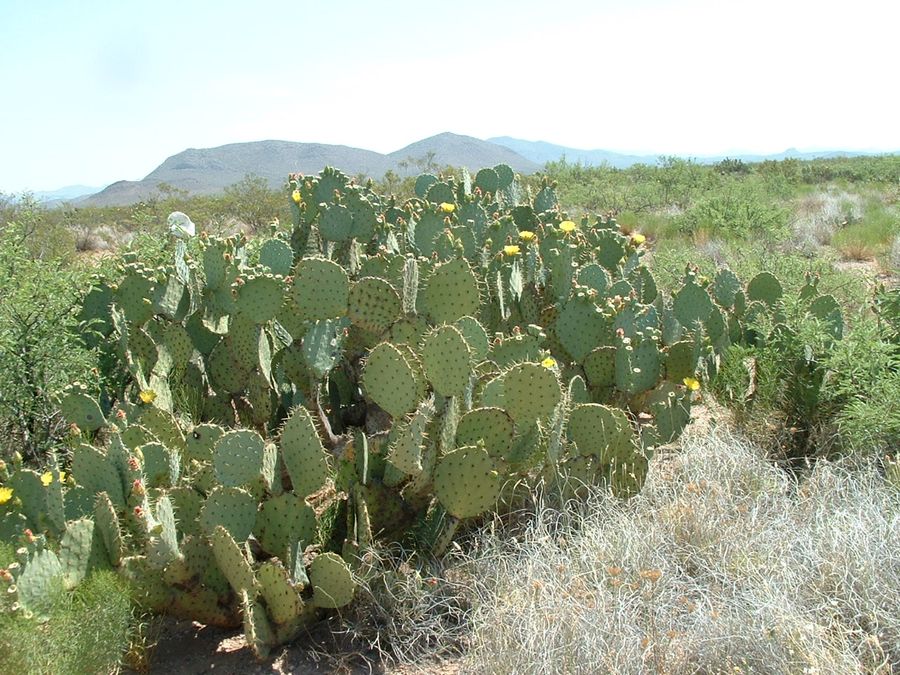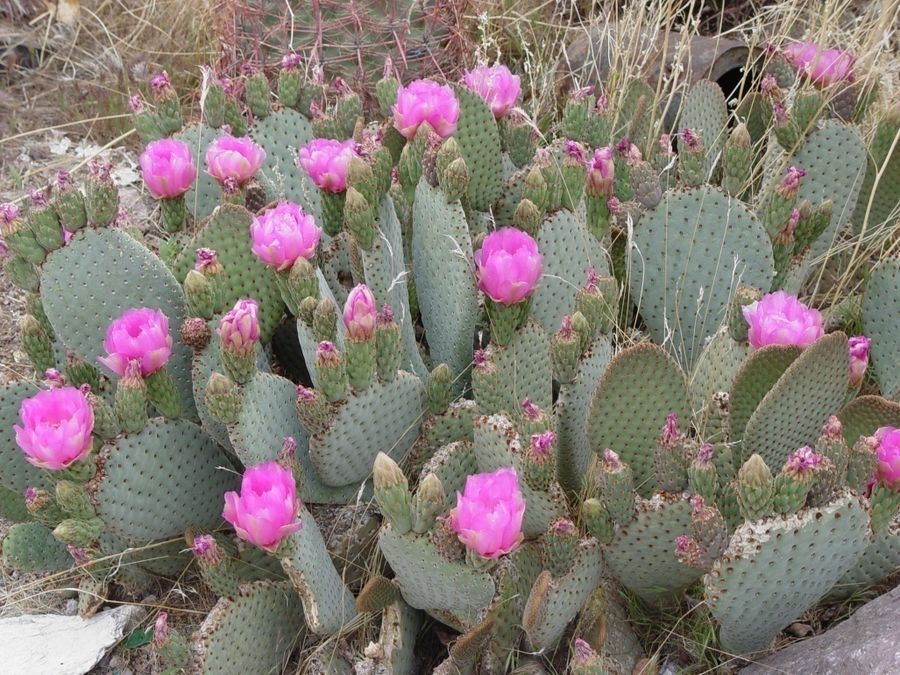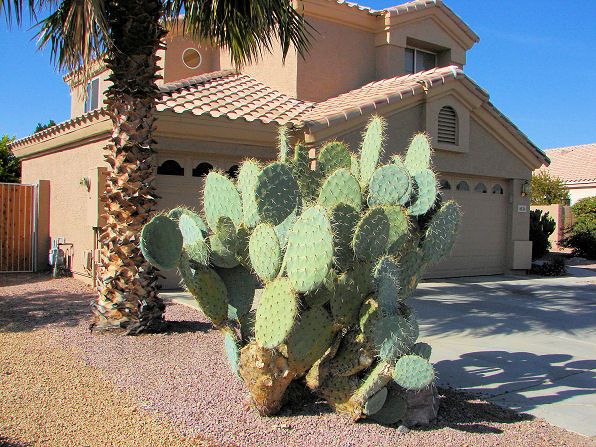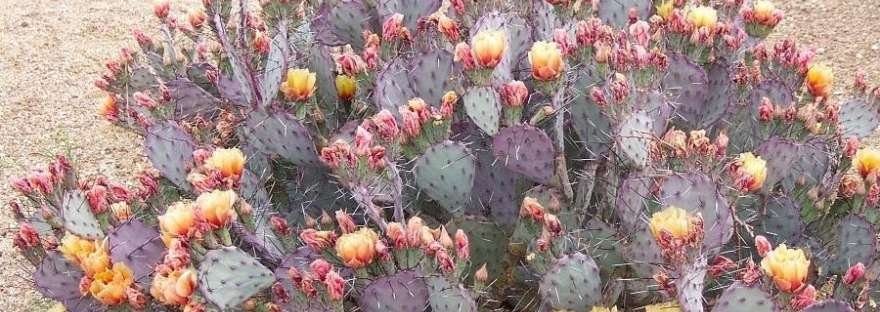
A native prickly pear grown for its round, violet-purple pads, which turn richest in winter and in full sun. Bright yellow flowers cover the pad edges in spring. It is tough, slow to outgrow its space and carries few long spines, which makes it one of the friendlier prickly pears for a home landscape.
Living with it in the Phoenix Valley
Watering
Follow the cactus guidance in our Landscape Care guide, which means hand-watering only when needed. Give it a little help through its first warm season. Once rooted, it gets by largely on rainfall. Soggy soil is the real risk, so plant it where water drains away.
Pruning
None needed for health. To hold it at a set size, snap off new pads as they emerge in spring, using tongs or thick gloves. Removed pads root easily if you want more plants.
Pests
Cochineal scale shows up as white, cottony tufts on the pads. A strong spray from the hose usually clears it. Crushed scale leaves a red-purple stain that can mark nearby concrete.
Color
Pad color shifts with the seasons. It deepens with cold and summer stress and fades toward blue-gray in mild, well-watered stretches. That is normal, not a sign of trouble.
How our designers use it
Winter color
Its purple pads add color in the months when most desert plants are at their quietest.
Against a light wall
The rounded pad silhouette reads well against pale stucco or stone, especially with low sun behind it.
Accent in a cactus garden
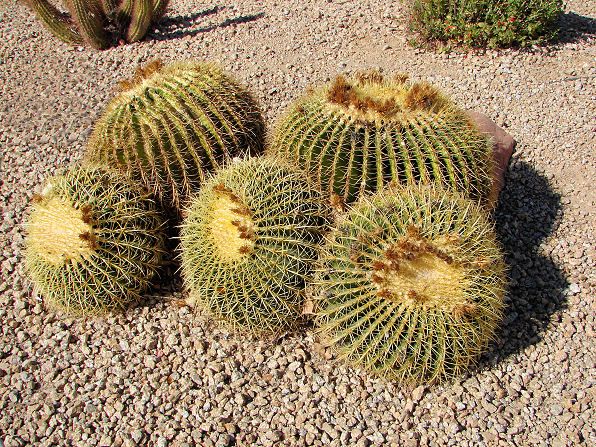
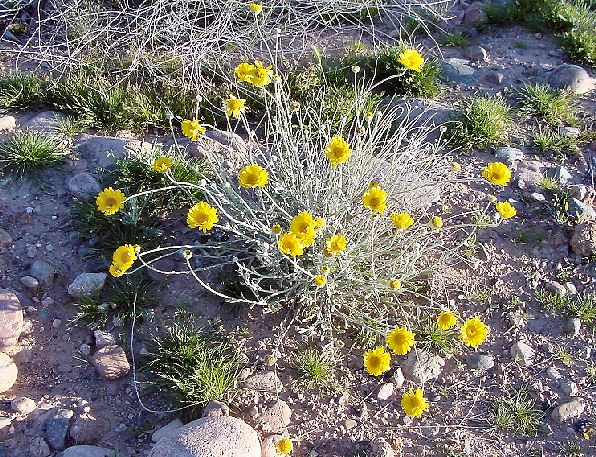
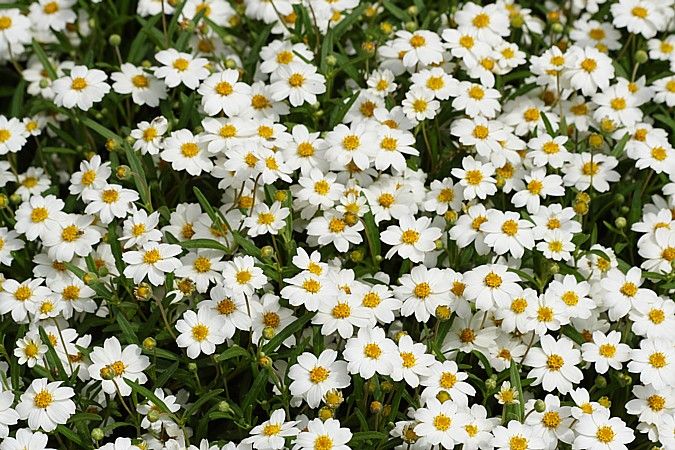
Our designers like it next to golden barrels and yellow-flowering groundcovers, where the purple and gold play off each other.
Good to know
Around the pool
Long spines are few, but every areole carries fine glochids that lodge in skin and are hard to see. Keep it a few feet back from pool decking, paths and seating.
Handling
Use tongs, thick gloves or folded newspaper when moving pads. Glochids come off at the lightest touch.