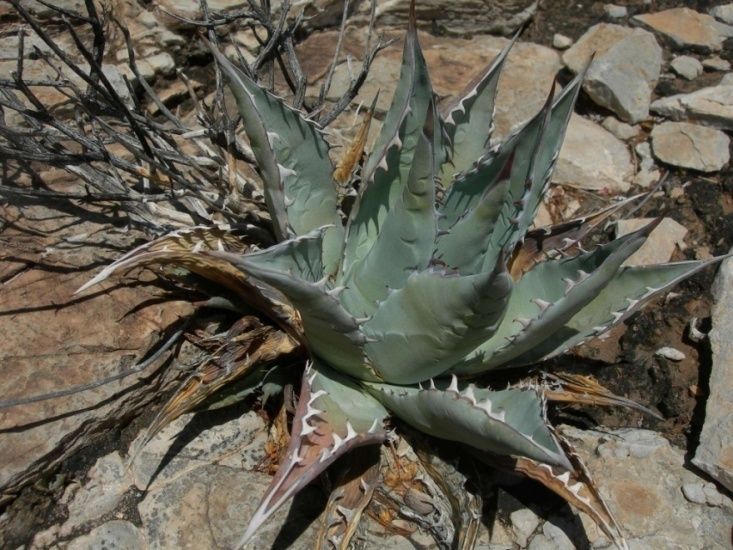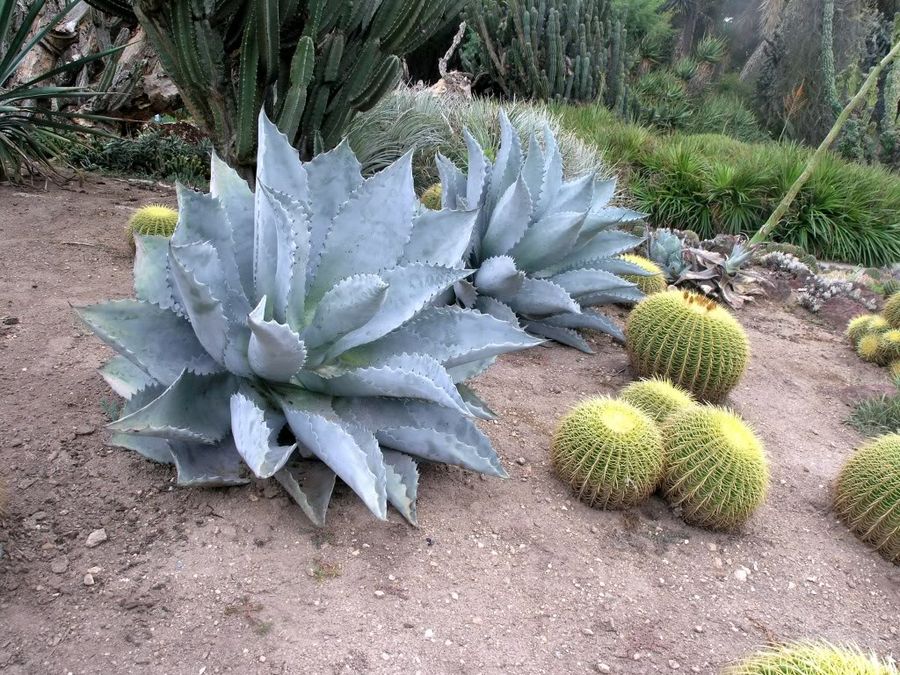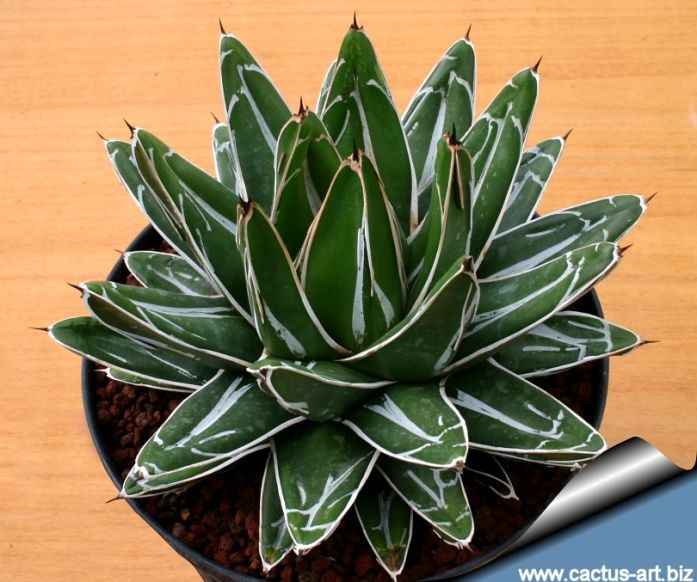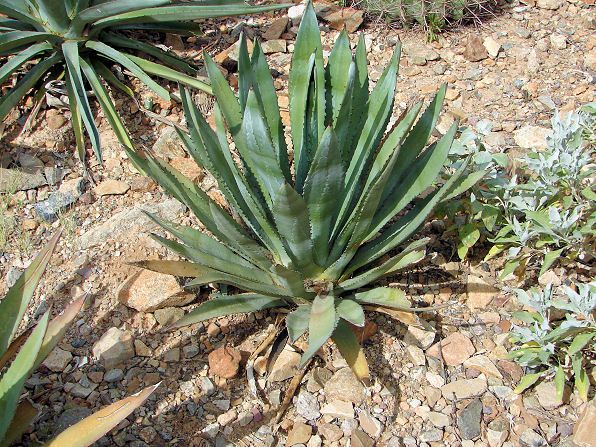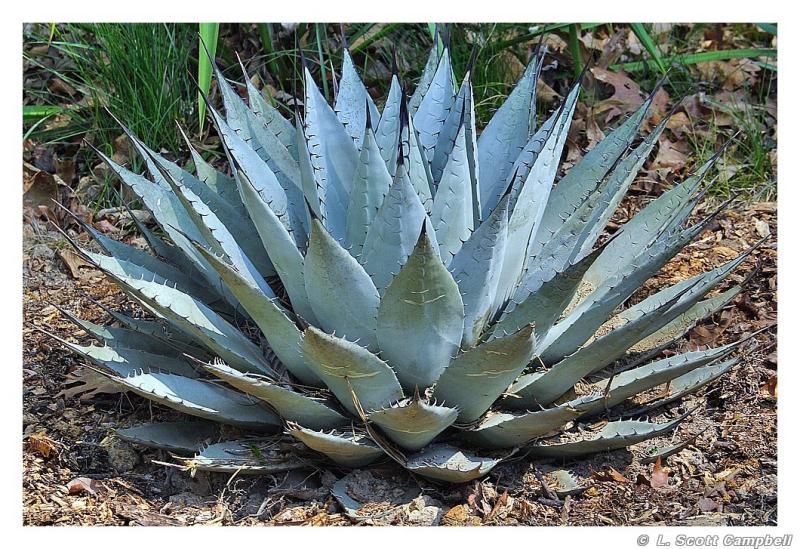
A compact, nearly round rosette of broad blue-gray leaves, each tipped with a dark spine. It is native to central Arizona and the mountains of Mexico, so it handles both Phoenix heat and cold with ease. The tight, symmetrical form makes it one of the most decorative small agaves.
Living with it in the Phoenix Valley
Watering
Follow the shrub, groundcover and succulent schedule in our Landscape Care guide. Once established it needs little supplemental water. Overwatering and poorly drained soil are the most common ways to lose it.
Pruning
Very little. Remove dead lower leaves and the spent flower stalk. Where people pass close by, the terminal spines can be clipped.
Snout weevil
The agave snout weevil attacks it in the low desert. A rosette that suddenly softens and collapses is usually infested and should come out.
Flowering
After many years it sends up a stalk to 12′ or more, then the rosette dies. Pups from short underground runners replace it.
How our designers use it
Small spaces and containers
Its compact size makes it one of the few agaves that suits narrow beds, courtyards and pots.
Repeated in groups
Planted in odd-numbered groups, its blue-gray color and round form create a clean, modern rhythm.
Rock and cactus gardens
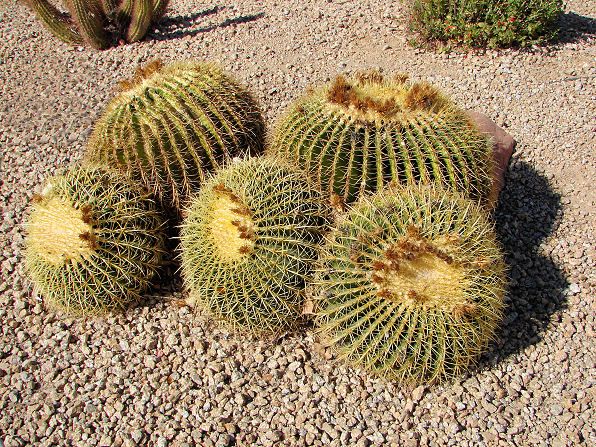
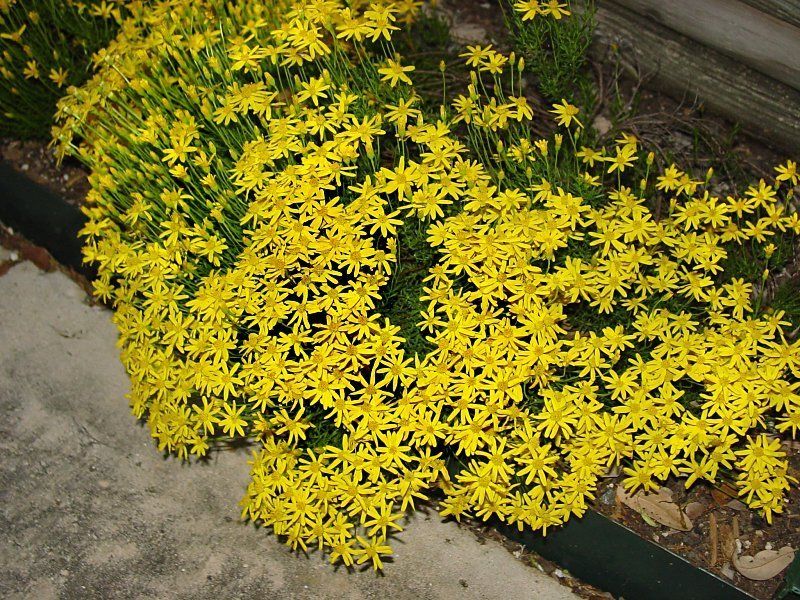
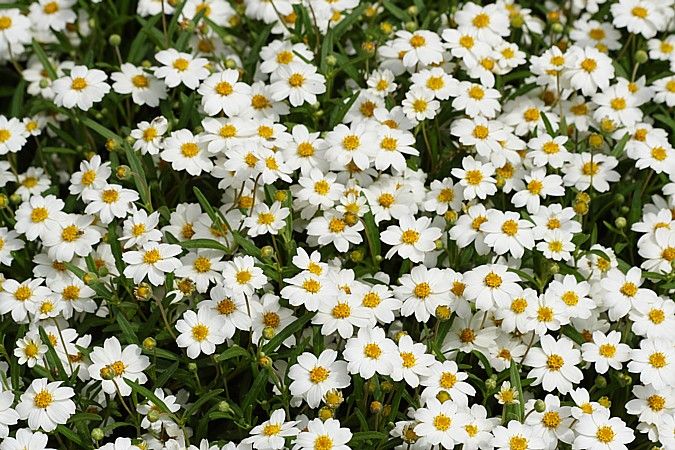
It pairs naturally with golden barrels, boulders and low wildflowers like damianita.
Good to know
Around the pool
The terminal spines are stout and sharp at ankle height. Keep it a few feet back from pool decks, paths and play areas.
After it blooms
The flowering rosette dies, but a mature plant is usually surrounded by pups that take its place.