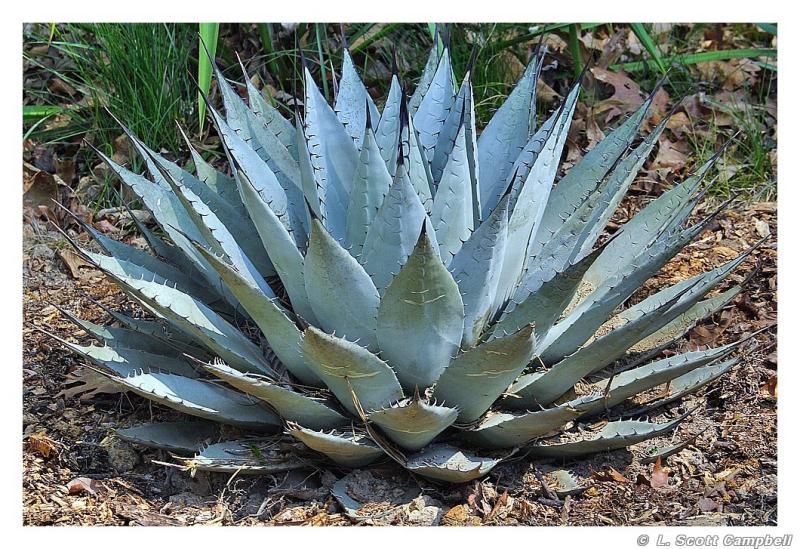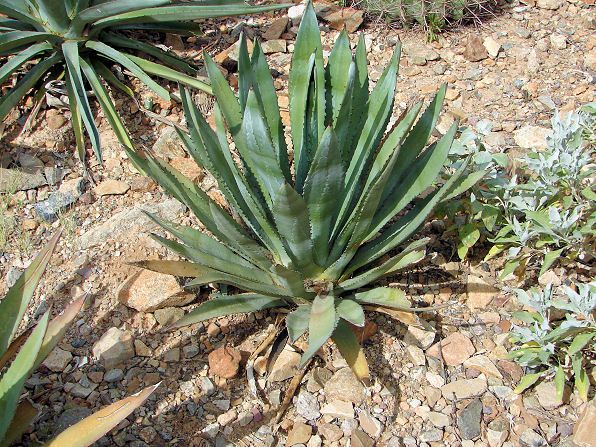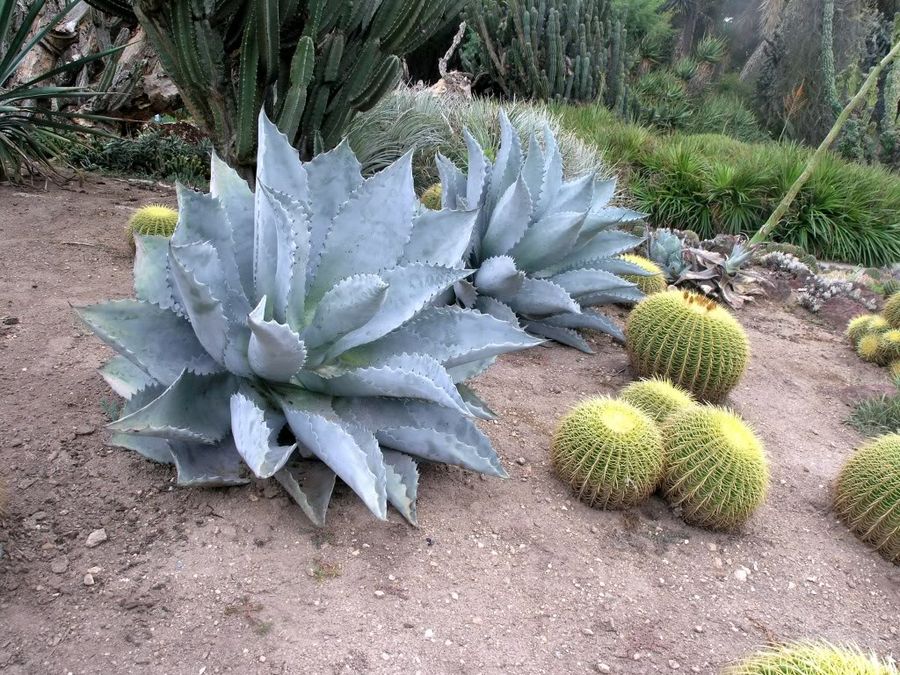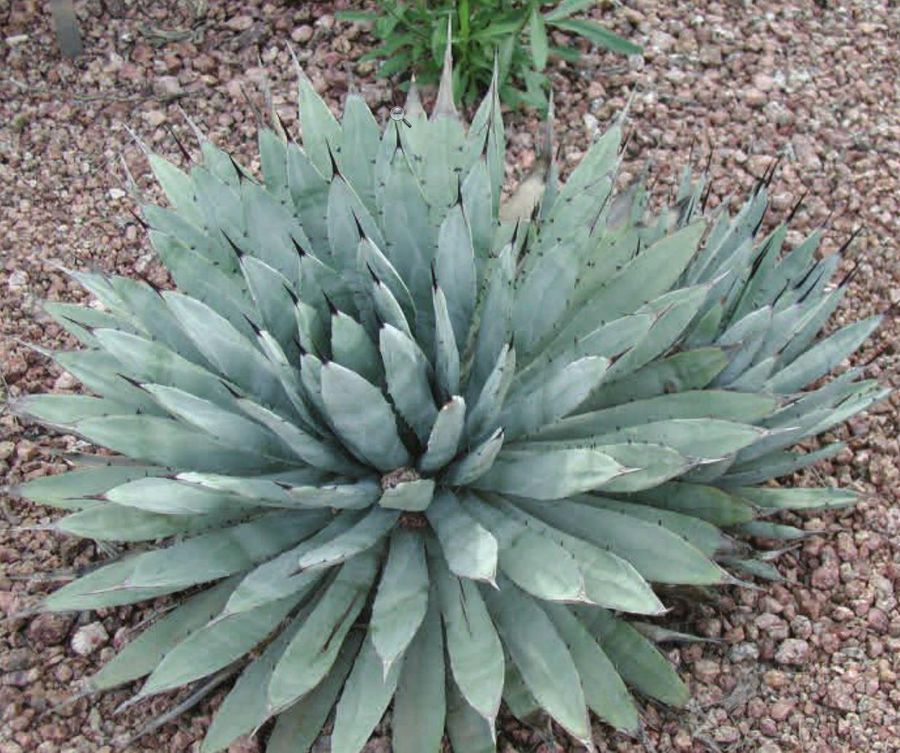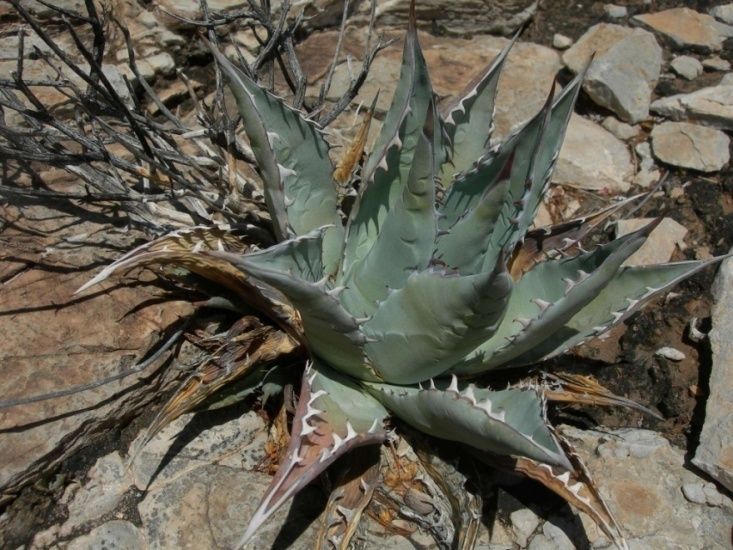
A compact, gray-leaved agave native to the Sonoran and Mojave deserts, including western Arizona. It needs little or no water once established and slowly builds a colony of pups. Its stiff, toothed leaves make it best suited to natural, out-of-the-way parts of the yard.
Living with it in the Phoenix Valley
Watering
Follow the shrub, groundcover and succulent schedule in our Landscape Care guide. As a local native it gets by on rainfall once established, with an occasional deep soak in a long dry spell. Coarse, fast-draining soil suits it best.
Pruning
None needed. Cut away the dry flower stalk and the dead rosette after bloom, wearing heavy gloves.
Flowering
Each rosette blooms once, usually 10 to 20 years in, with yellow flowers on a tall, branched stalk. The pups around it survive and keep the clump going.
How our designers use it
Natural desert areas
It belongs in revegetated washes, slopes and the outer edges of a property, where it can colonize slowly.
Rock gardens
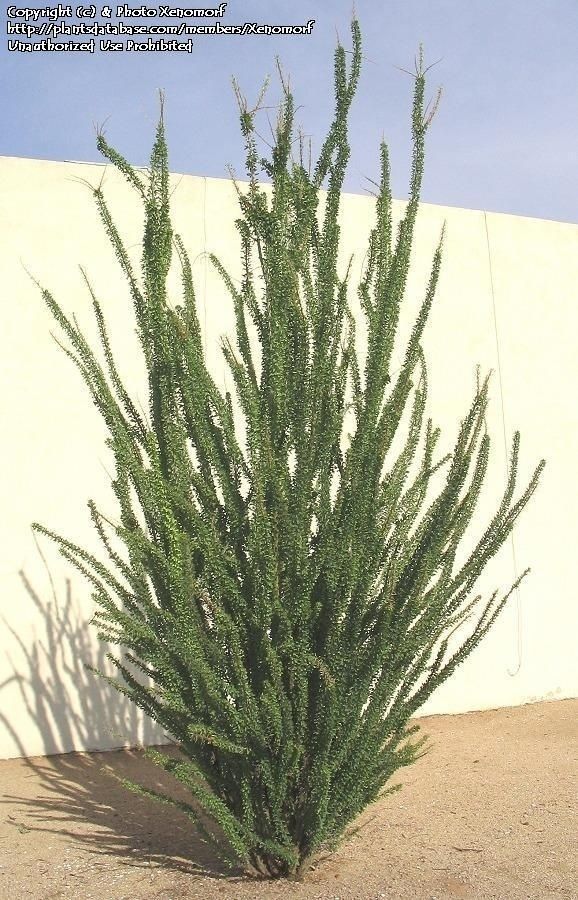
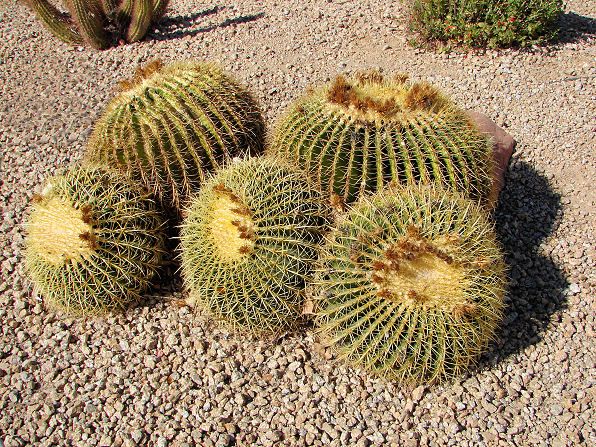
Its small size and gray color sit naturally among boulders, ocotillo and barrel cactus.
Low-water native plantings
For a garden that should eventually live on rainfall, it is one of the most self-sufficient choices.
Good to know
Around the pool
The stiff, toothed leaves and spined tips are unfriendly at shin height. Keep it away from pool decks, paths and play areas.