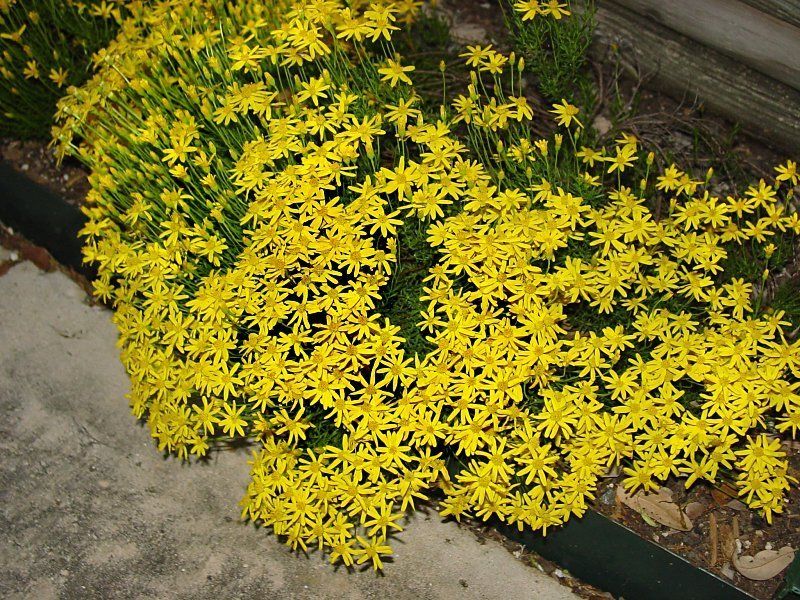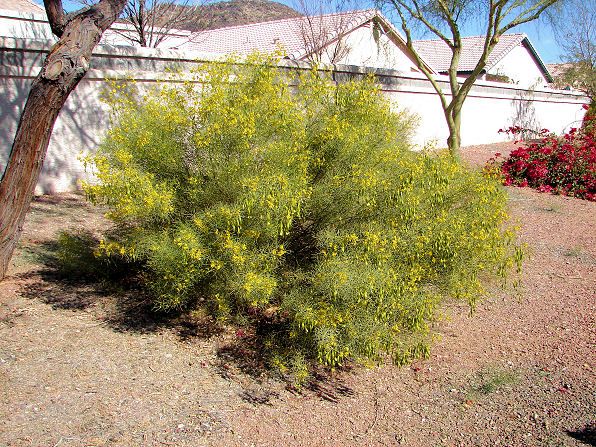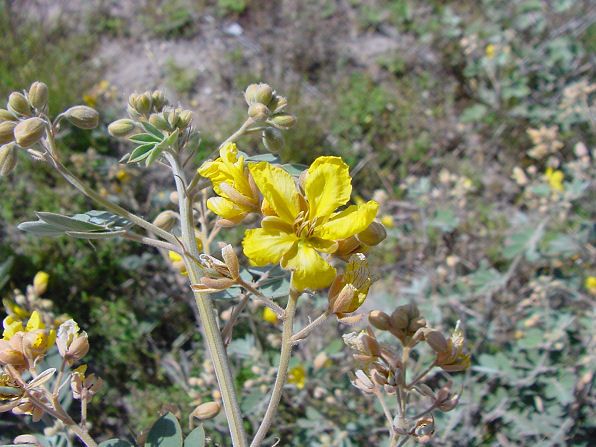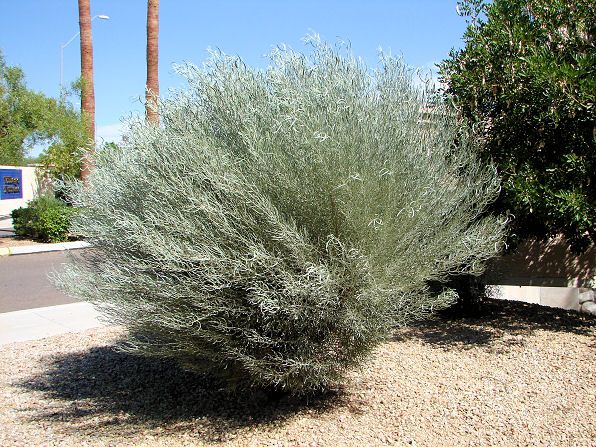
An Australian shrub with flat, sickle-shaped silver leaves that catch the light and ripple in the wind. Yellow flowers cover it through winter and early spring, when little else in the garden is blooming. It thrives on heat and very little water.
Living with it in the Phoenix Valley
Watering
Follow the shrub schedule in our Landscape Care guide while it establishes. Once settled, it needs very little extra water and grows best in soil that drains quickly. Too much water brings yellowing leaves, floppy growth and root rot, so err on the dry side. An occasional deep drink in the hottest months keeps it looking fuller.
Pruning
Prune right after the bloom finishes, which also cuts down on seed pods. Avoid shearing it into a ball; its natural rounded shape looks best. An overgrown, woody plant can be renewed by cutting it back by up to half after flowering.
Cold
It handles a typical Phoenix winter. A freeze in the low 20s can damage leaves and flowers, and it is a little more tender than Desert Cassia.
Feeding
Like other cassias, it needs little or no fertilizer.
How our designers use it
Winter color
It blooms while most desert shrubs are resting, so it carries color through the cooler months people spend outdoors.
Silver contrast
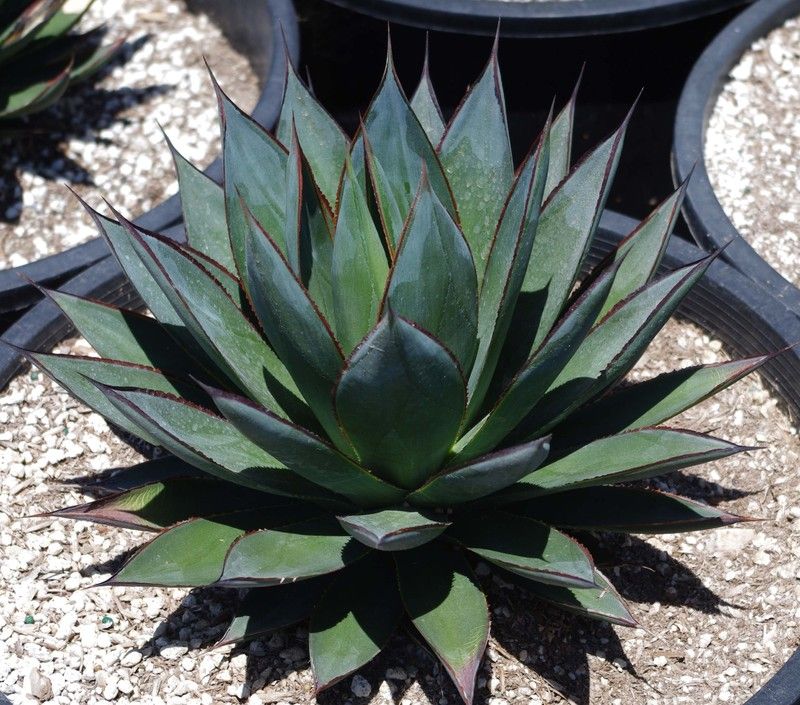
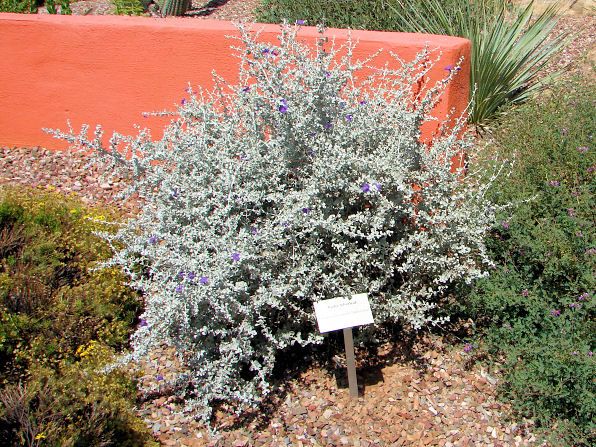
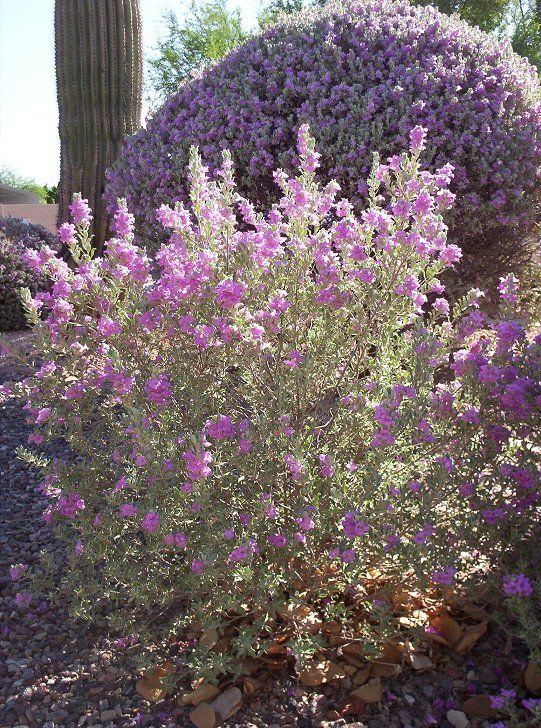
The pale foliage stands out against dark green shrubs, boulders and blue-green agaves, and brightens a hot, sunny bed.
Informal screen
Planted in a row, it makes a soft, low-water screen along a wall or property line.
Good to know
Around the pool
Spent flowers and seed pods drop in late winter and spring, and the blooms draw bees. Keep it a few feet back from the water’s edge.