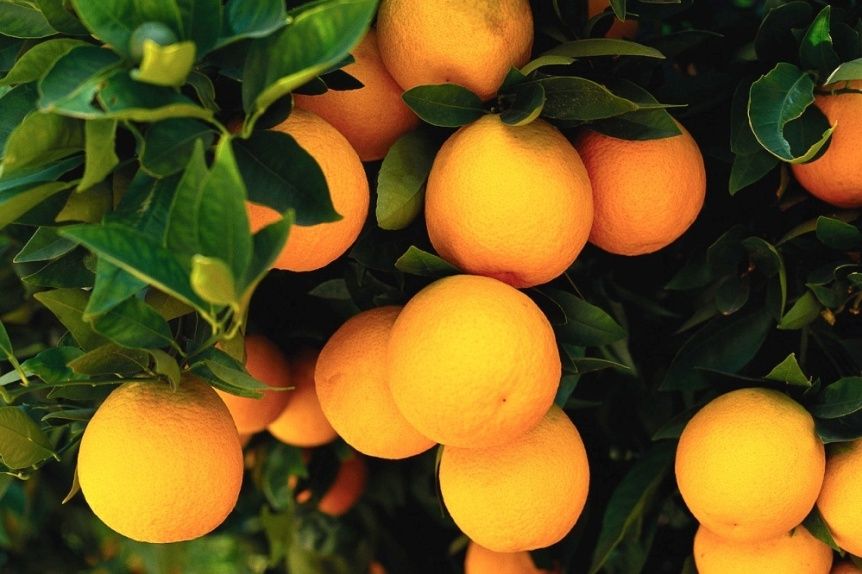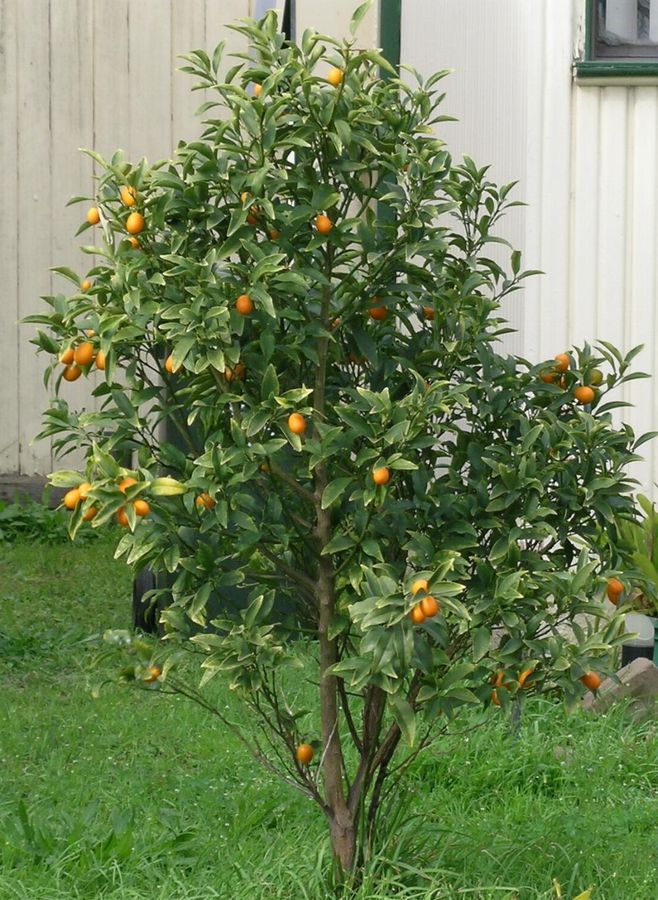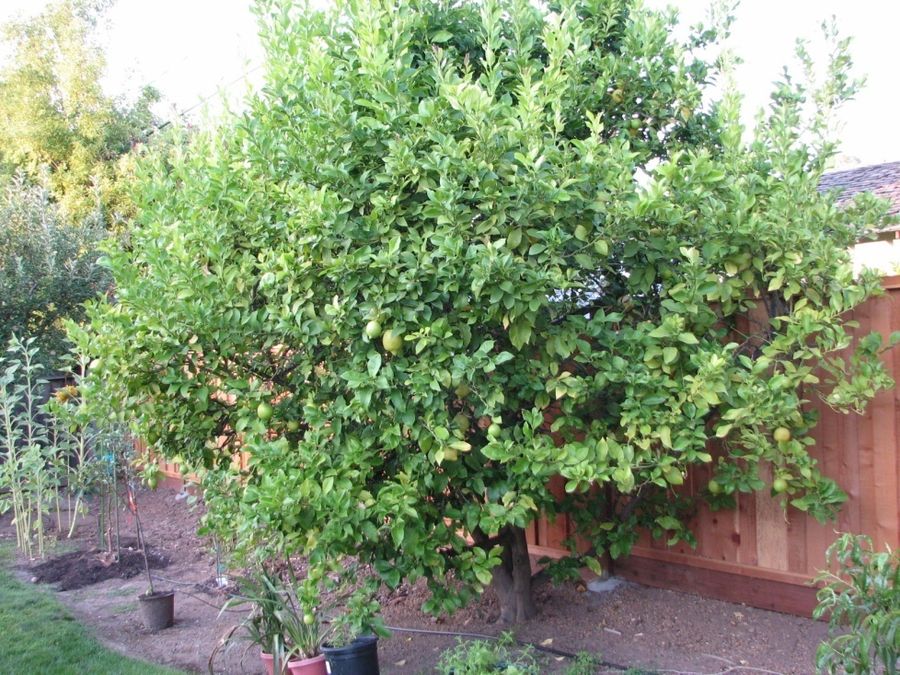
The classic grocery-store lemon: vigorous, nearly thornless and heavy-bearing, with fragrant blossoms and fruit much of the year. Citrus thrives in Phoenix heat, and a lemon tree near the kitchen is one of the most useful plants a yard can have.
Living with it in the Phoenix Valley
Watering
Follow the tree schedule in our Landscape Care guide. Citrus prefers deep, thorough soaks that wet the whole root zone, with water placed out toward the canopy edge rather than against the trunk. Uneven watering while fruit is setting can lead to fruit drop or split fruit.
Pruning
Keep pruning light. Leave the lower branches long to shade the trunk, and remove suckers from below the graft. If bark becomes exposed, paint it with white latex paint to prevent sunburn.
Cold
Lemons are among the first citrus to show freeze damage. Cover young trees on frost nights, and wait until spring growth shows the extent of any damage before pruning out dead wood.
Feeding
Feed with a citrus fertilizer three times a year, traditionally around Valentine’s Day, Memorial Day and Labor Day.
How our designers use it
Near the kitchen
We like citrus close to the house, where fruit is easy to pick and the spring bloom perfumes a patio.
Courtyards and side yards
Its upright form and evergreen leaves fill a narrow space and soften walls year-round.
In an edible garden
Paired with herbs and other citrus, it makes a productive garden that still reads as part of the landscape.
Good to know
Around the pool
Dropped leaves and fruit need regular pickup, and fallen lemons get messy on paving. Plant it a few feet back from the pool so fruit doesn’t land in the water.
Pets
The ASPCA lists lemon as toxic to dogs, cats and horses. The concern is the peel and plant parts, which contain essential oils and psoralens.