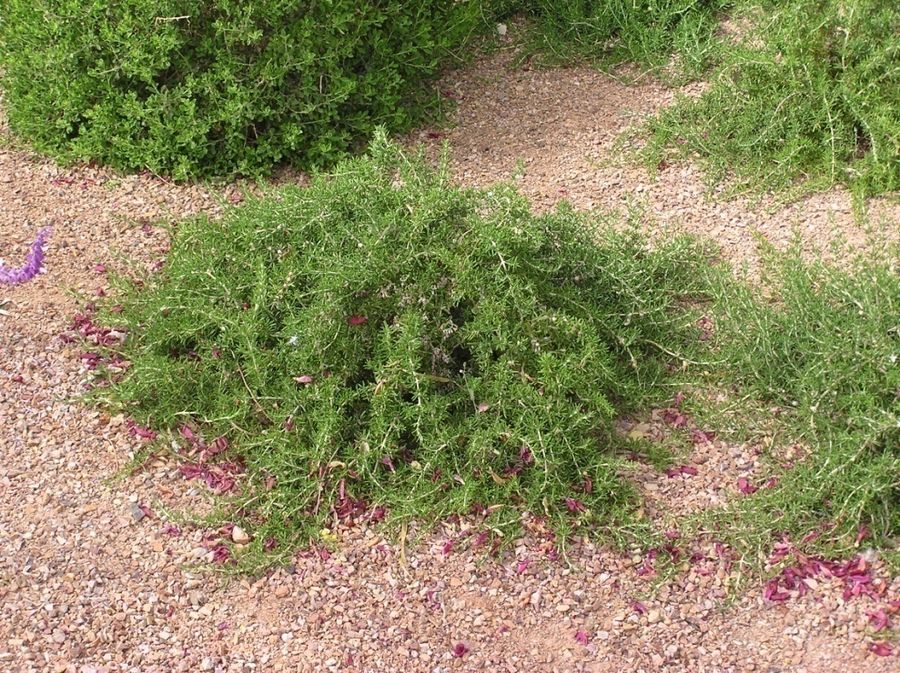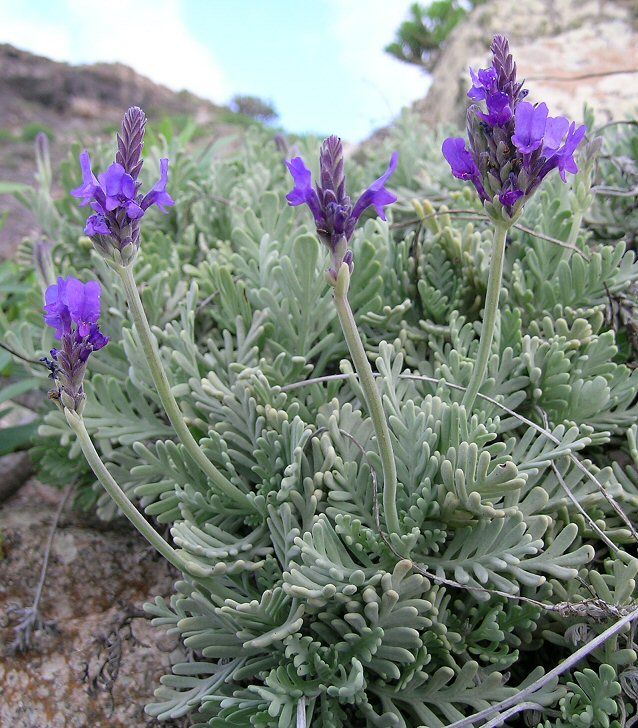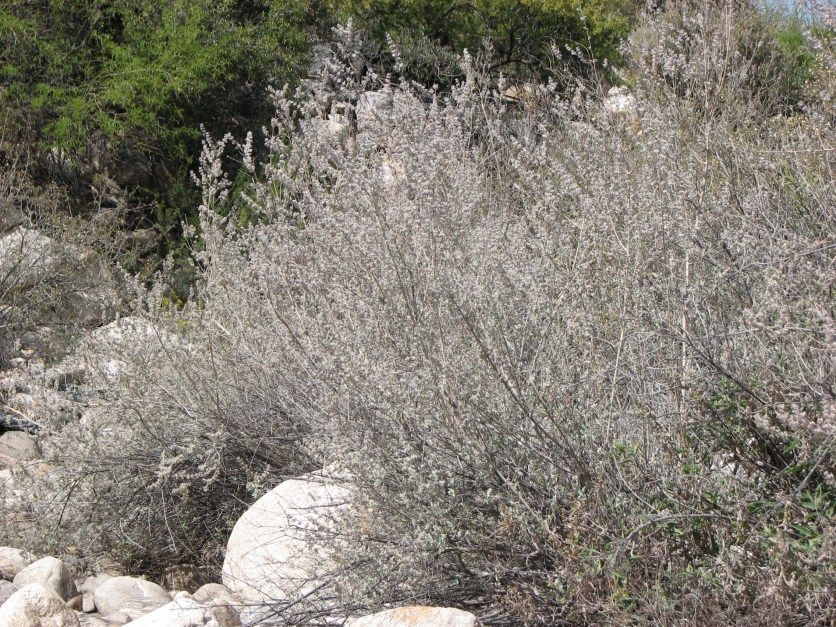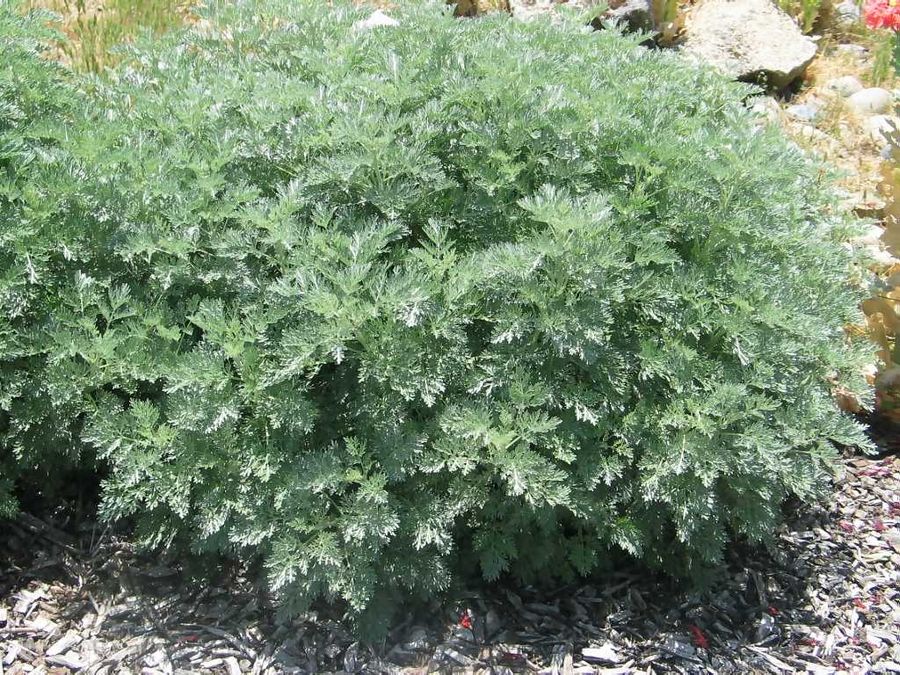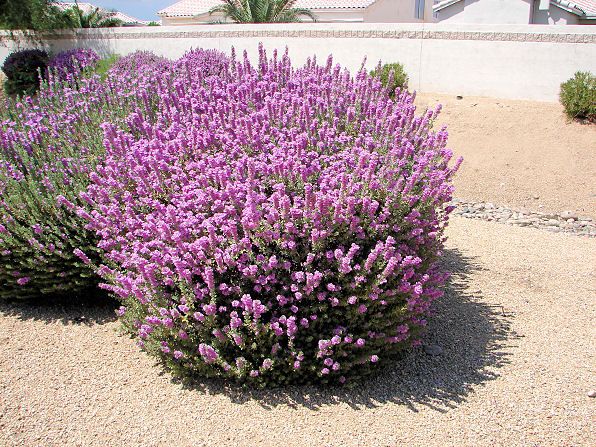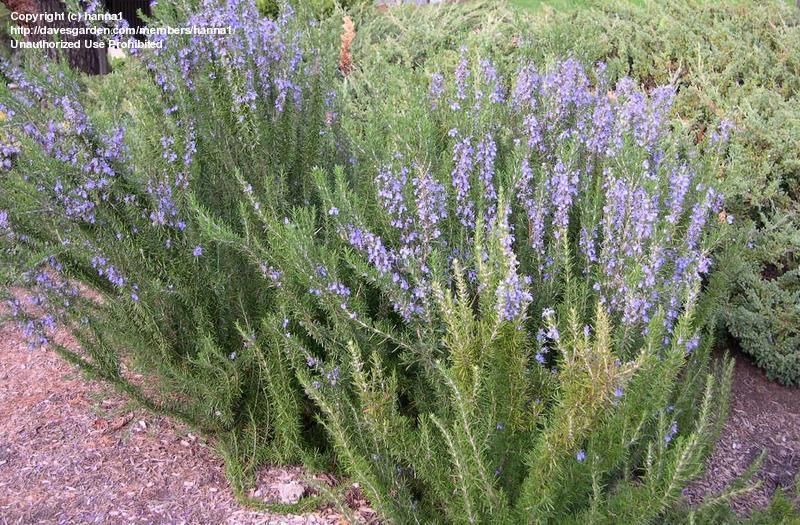
The familiar culinary herb grown as an evergreen landscape shrub, with fragrant, needle-like leaves and small blue flowers from winter into spring. It handles wind and poor, rocky soil on little water, and you can clip it for the kitchen.
Living with it in the Phoenix Valley
Watering
Follow the shrub schedule in our Landscape Care guide. Rosemary needs little water once established and is far more likely to be hurt by too much than too little. Let the soil dry between waterings, especially in summer and in clay soil, where constantly wet roots rot.
Pruning
Trim lightly and selectively to shape, and harvest sprigs whenever you like. Never cut back into bare, leafless wood; plants rarely recover from a hard cutback.
Summer heat
Midsummer is its toughest season here. Plants can look tired from July through September, and some relief from late-afternoon sun helps.
Pests
Spittlebugs can show up on soft spring growth, especially on plants in shade.
How our designers use it
Mediterranean and herb gardens
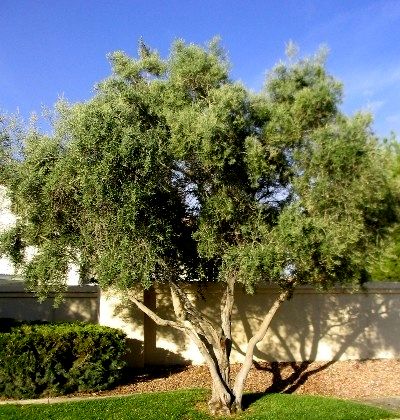
It pairs naturally with olive trees, lavender and other gray-green plants, and earns a spot near a kitchen patio where it can be harvested.
Low, informal hedge
Left upright and lightly shaped, it makes a fragrant low hedge along walks and patios.
Winter bloom
Its flowers open when little else is blooming, which makes it a welcome winter nectar source for bees.
Good to know
Around the pool
No thorns and little litter, but the flowers draw bees from winter into spring. We keep it back from the busiest seating areas.