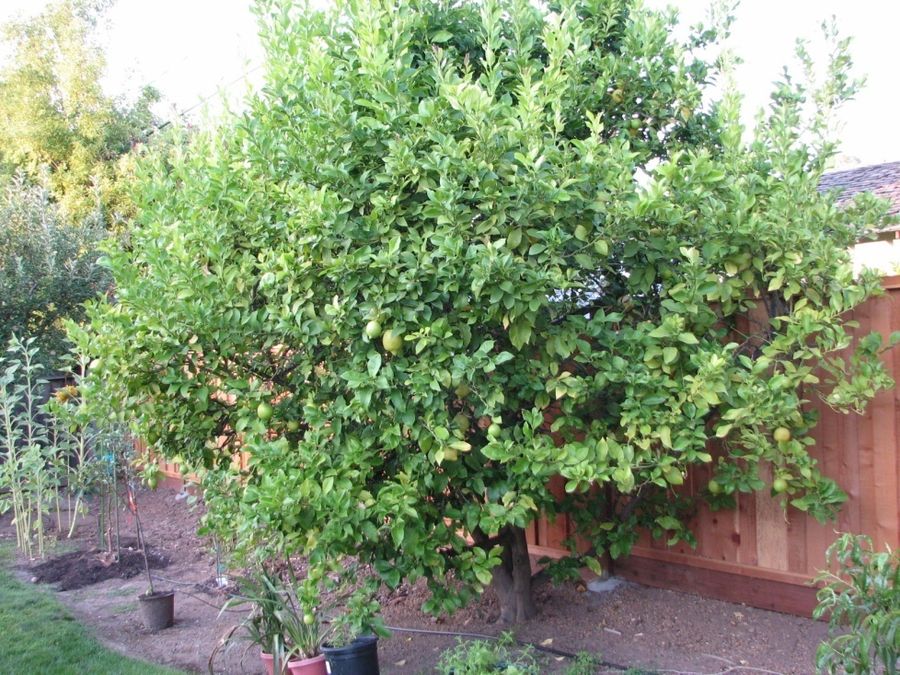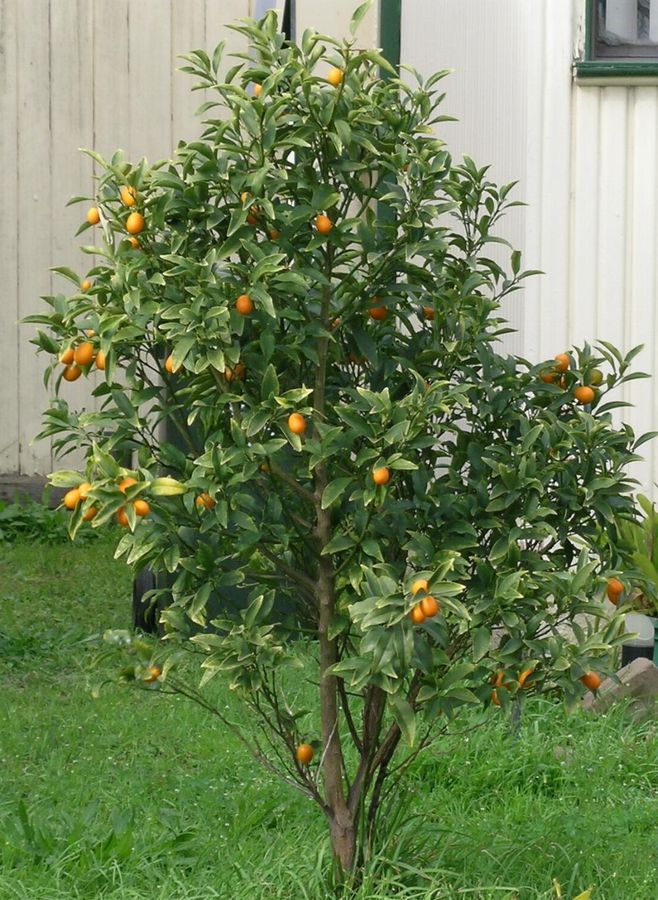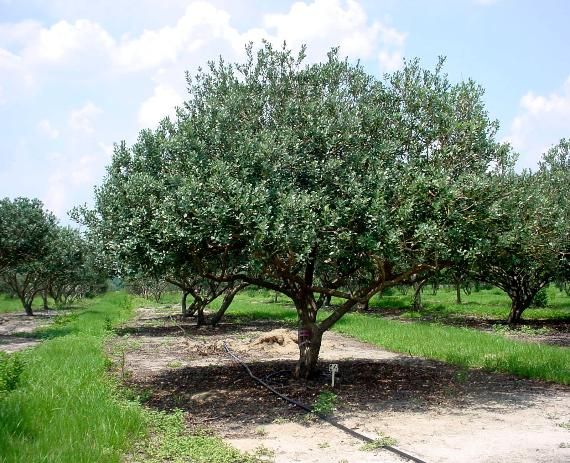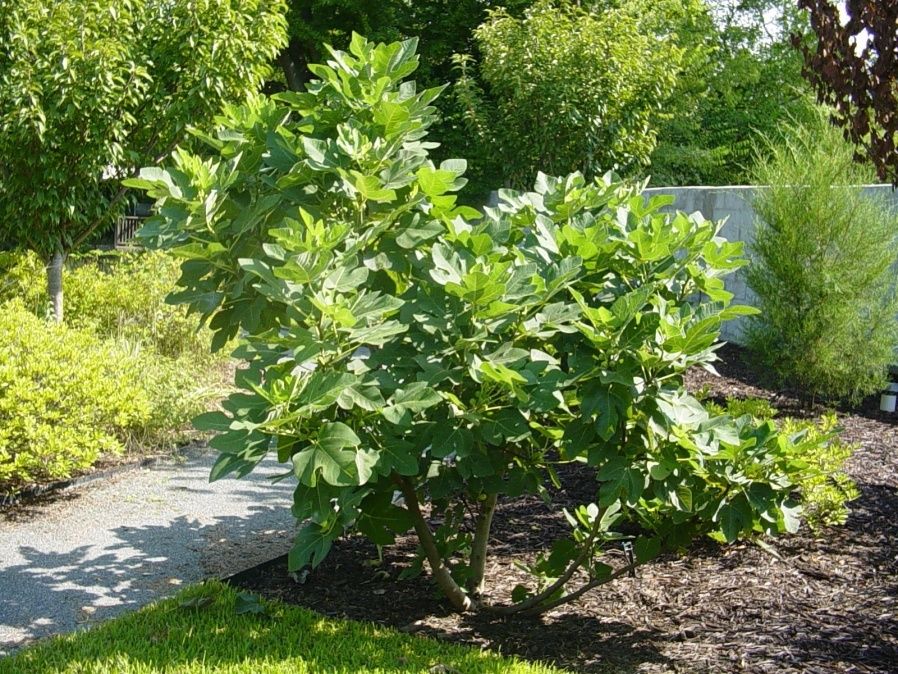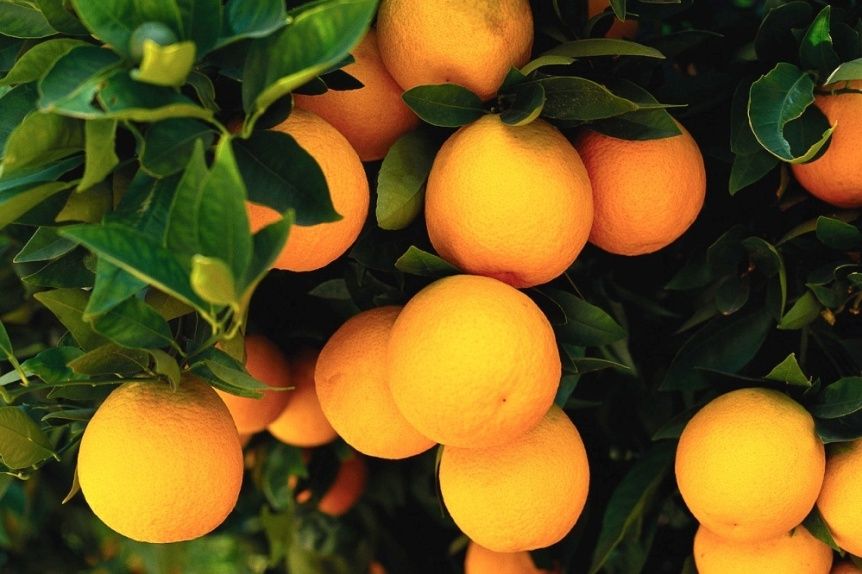
Sweet oranges grow well in the Phoenix Valley, with glossy evergreen leaves, fragrant spring blossoms and fruit through the winter. Dwarf trees stay small enough for a courtyard or side yard. People choose them for the harvest, the scent of the bloom and a touch of green in a desert yard.
Living with it in the Phoenix Valley
Watering
Follow the tree schedule in our Landscape Care guide. Citrus needs more regular water than desert trees, applied deeply and out to the edge of the canopy as the tree grows. Even moisture helps prevent split fruit, but soggy soil is a bigger risk than a little dryness.
Pruning
Prune lightly, mostly to remove dead or crossing branches and suckers from below the graft. Let the canopy grow down low; the leafy skirt shades the trunk from sunburn. If bark becomes exposed, paint it with white water-based latex. Avoid pruning in fall.
Feeding
Oranges are fed in three equal portions: one in January–February, one in March–April and one in May–June.
Cold
Frosts are common in the Valley; hard freezes are rare. On frost nights, cover young trees down to the ground. If a freeze damages branches, wait until new spring growth shows what is alive before cutting.
How our designers use it
Courtyards and patios
A dwarf orange near a seating area brings shade, fruit and the scent of spring bloom right where people spend time.
Kitchen gardens
Grouped with other citrus and raised vegetable beds, it gives a lush, productive corner within an otherwise low-water yard.
Warm, protected spots
We look for a sunny location near a wall or the house, which gives some shelter on the coldest nights.
Good to know
Around the pool
Leaves, spent blossoms and dropped fruit add cleanup, and fallen fruit attracts insects. A dwarf tree set back from the deck is easier to live with than a large one over the water.
Pets
The ASPCA lists orange as toxic to dogs, cats and horses. The fruit is edible, but peels, leaves and other plant parts can cause stomach upset.