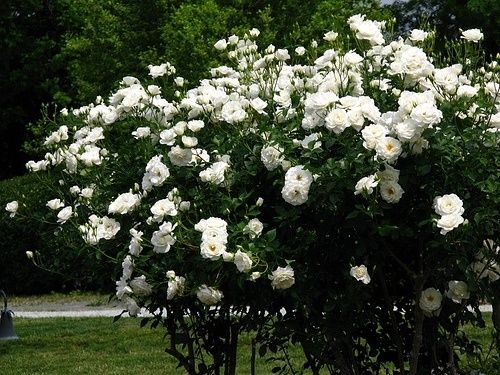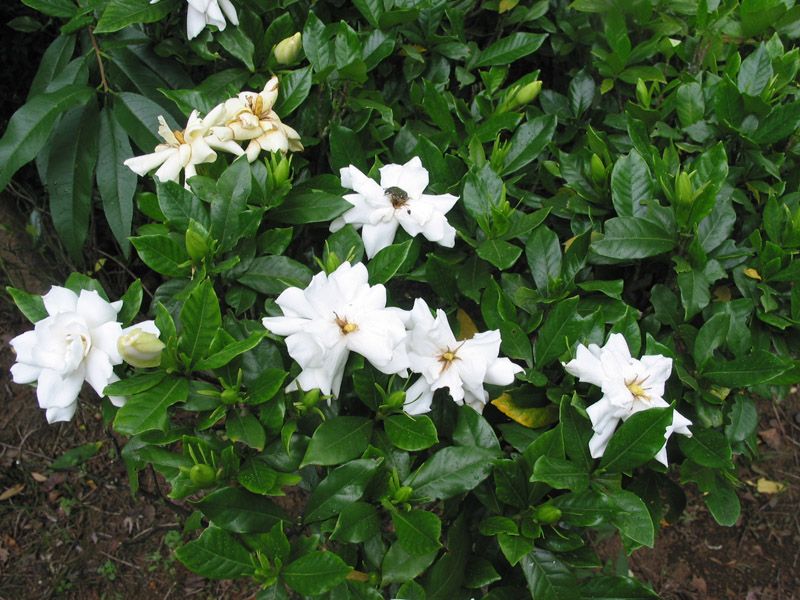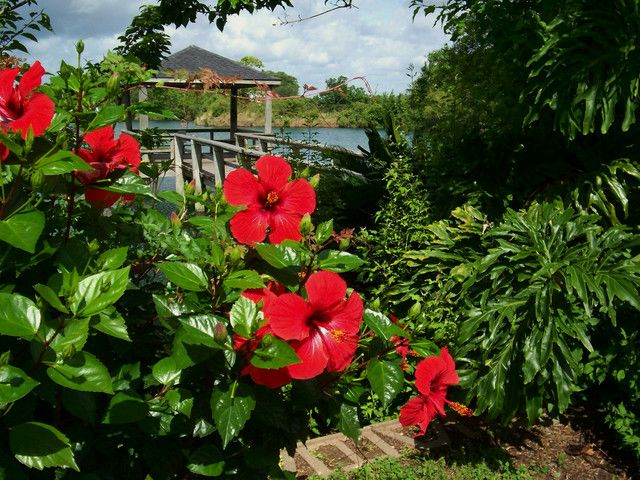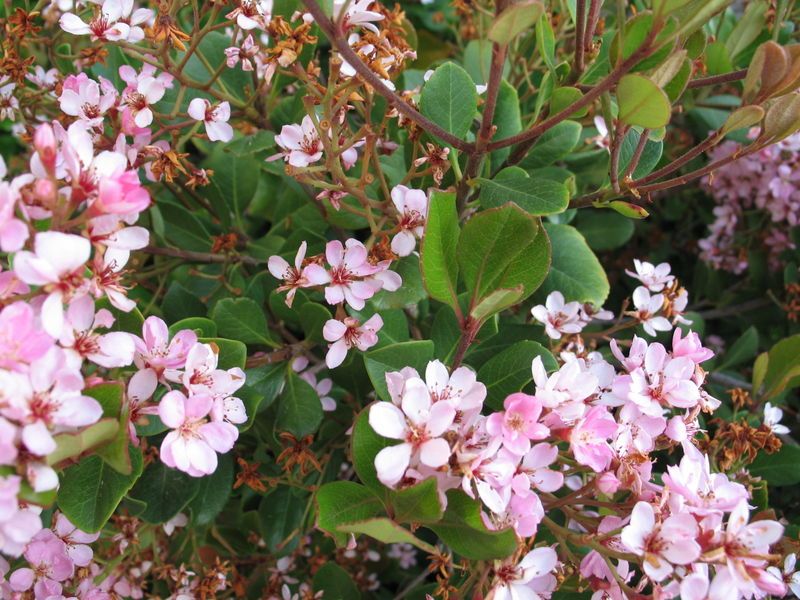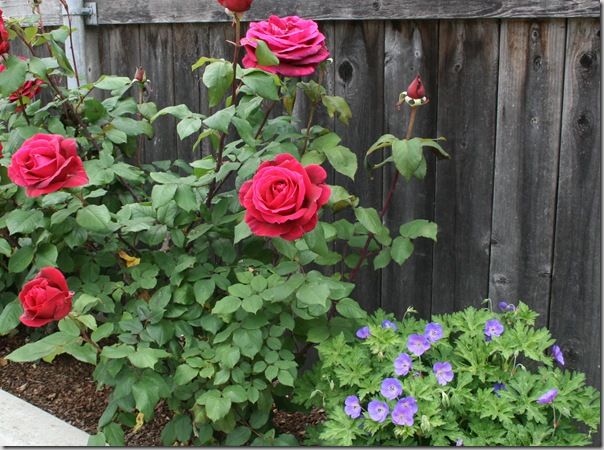
Classic garden roses, from hybrid teas to floribundas and shrub roses, in nearly every color. They take more water and attention than most plants in a desert garden, but they grow well in Phoenix and reward that care with strong flushes of bloom in spring and again in fall.
Living with it in the Phoenix Valley
Watering
Follow the shrub schedule in our Landscape Care guide, keeping in mind that roses want more water than most landscape shrubs. Water deeply rather than lightly, and expect the need to climb as summer heat builds. A layer of mulch over the root zone helps keep the soil cool and moist.
Pruning
Prune established roses in winter, from about mid-January into February, cutting canes back by a third to a half just above outward-facing buds. Remove spent flowers through the season to keep new blooms coming, and do a light cleanup in late summer to set up the fall bloom.
Feeding
Roses are heavy feeders. A well-drained bed amended with compost and a rose fertilizer during the growing season make the biggest difference in bloom.
Heat
Summer is hard on roses here: flowers get smaller and fewer, and leaves can scorch. Planting in winter, so roots establish before the heat, and giving them an east exposure or afternoon shade carries them through to fall.
How our designers use it
A cutting garden
A small bed of roses near the kitchen or a patio gives flowers to cut through spring and fall.
Courtyards and entries
In a protected courtyard with morning sun and afternoon shade, roses bring a traditional garden feel that suits lush plantings.
On their own irrigation
We group roses together on their own irrigation line rather than mixing them with desert plants that need much less water.
Good to know
Around the pool
Thorns and falling petals make most roses a poor fit right at the pool edge. A nearly thornless variety such as Iceberg is a better choice near seating.