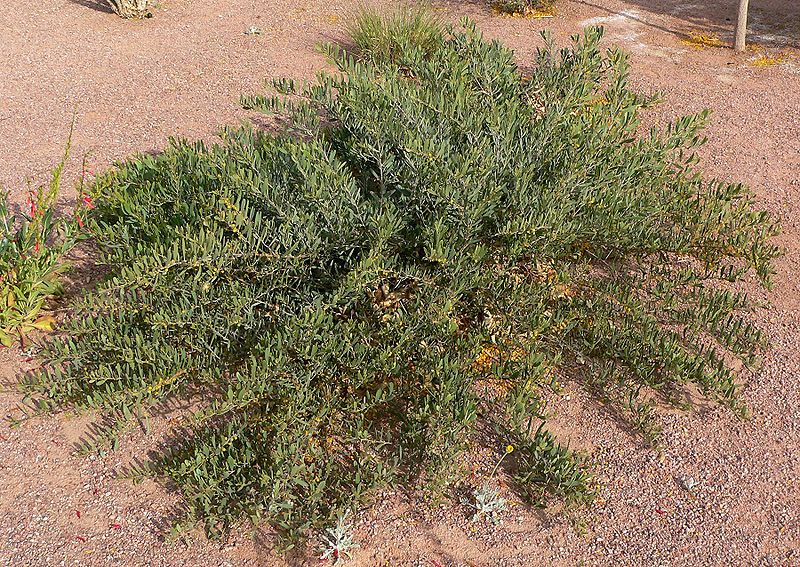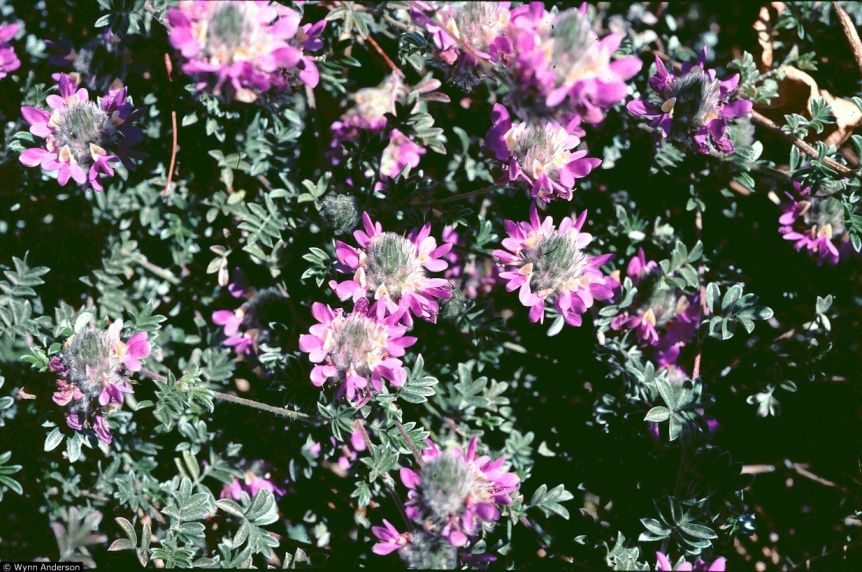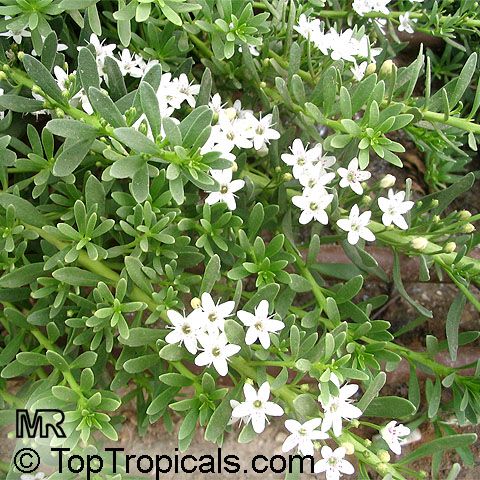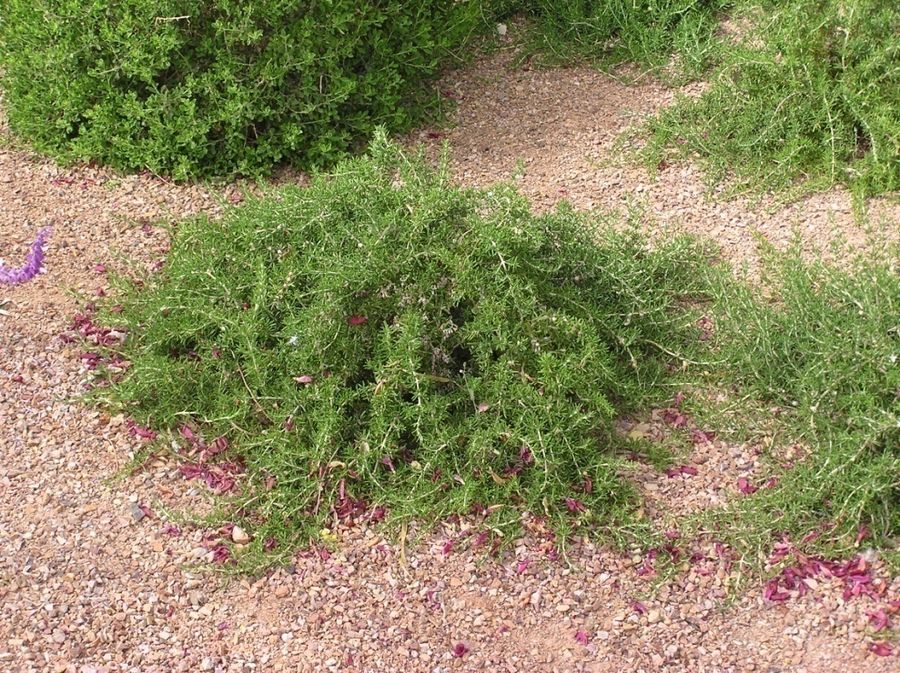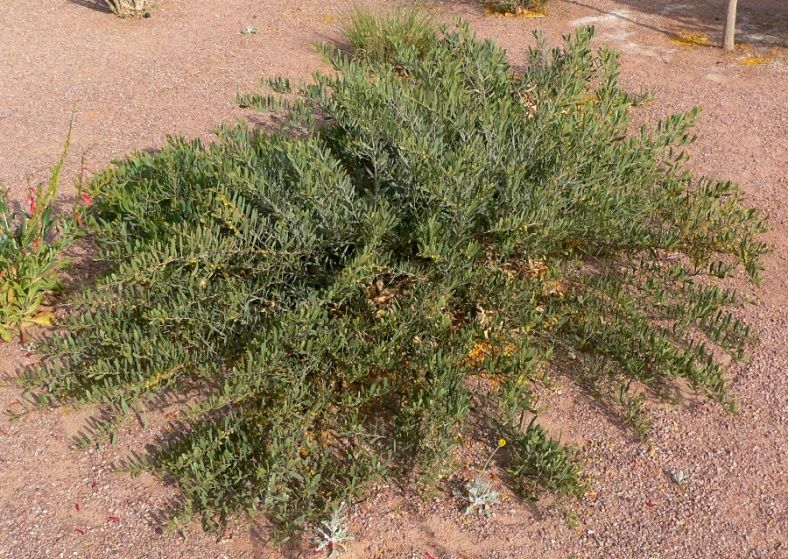
A low, spreading Australian acacia that covers a lot of ground quickly with gray-green foliage. People choose it to blanket large, sunny areas and slopes with very little water and almost no fuss.
Living with it in the Phoenix Valley
Watering
Follow the shrub, groundcover and succulent schedule in our Landscape Care guide. It needs some supplemental water in the low desert, but soggy, poorly drained soil invites root rot. Lean watering keeps it healthy and slower to outgrow its space.
Pruning
In a large space it needs very little. Where it meets walks, walls or other plants, cut spreading branches back to a side branch rather than shearing the top. Older plants build up dead wood underneath; clearing it out every few years keeps the mat looking fresh.
Soil
It tolerates most soils if they drain. Leaves can yellow in wet, salty or very alkaline ground; better drainage usually fixes it, and chelated iron helps if it doesn’t.
Lifespan
It is relatively short-lived. Expect to replace a planting after many years as older plants thin out.
How our designers use it
Large areas and slopes
One plant can cover a wide patch, which makes it practical for banks, retention basins and big open stretches where planting many small groundcovers would be slow to fill.
Erosion control
The dense mat holds soil on slopes and in the edges of washes.
A soft base under desert trees
It sits well beneath mesquite or palo verde and around agaves and boulders, adding steady green without much water.
Good to know
Give it room
Plant it where it can spread. It often struggles as a small-space groundcover, and constant cutting back leaves bare, woody edges. The brittle stems also don’t handle foot traffic.
Around the pool
No thorns and light litter make it acceptable near a pool, but keep it well back from the deck edge so it doesn’t sprawl onto the hardscape.