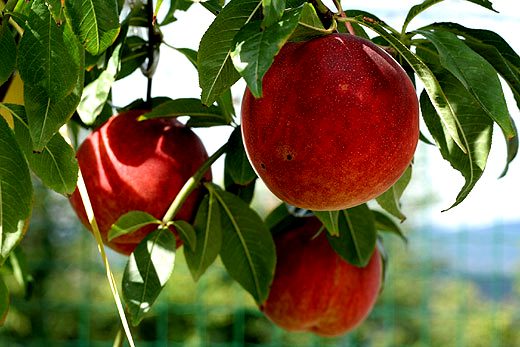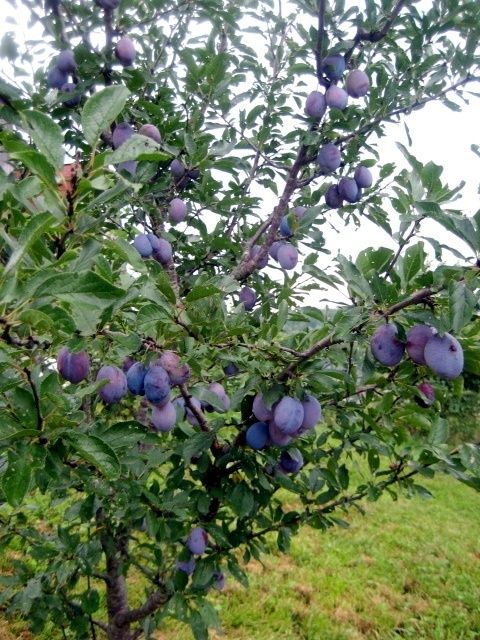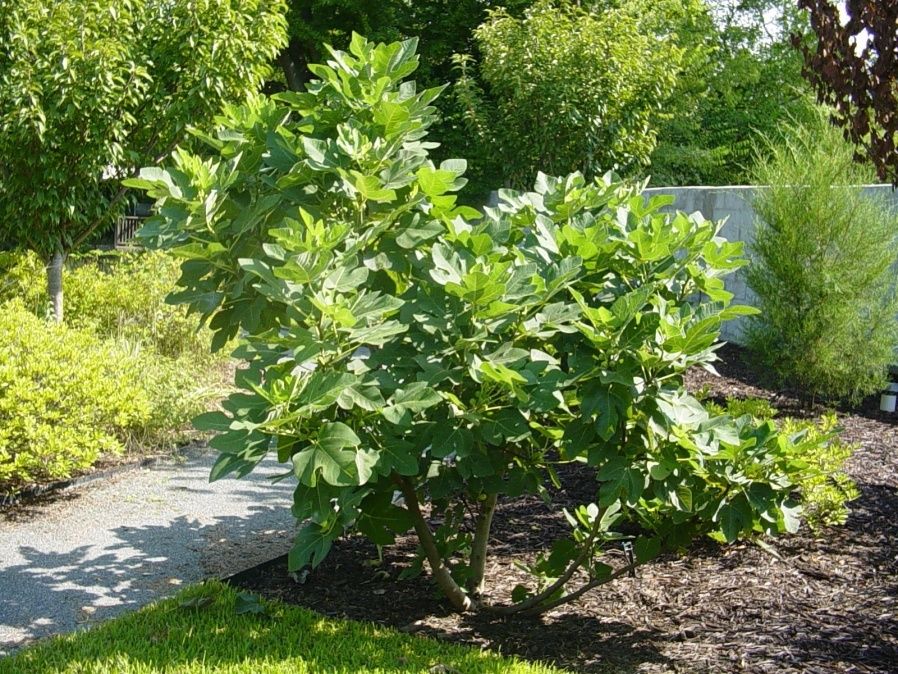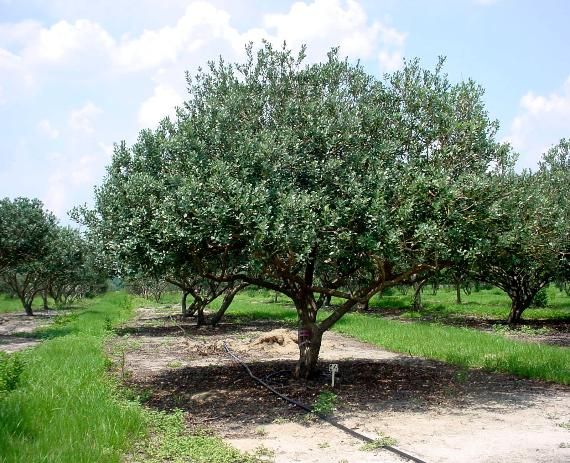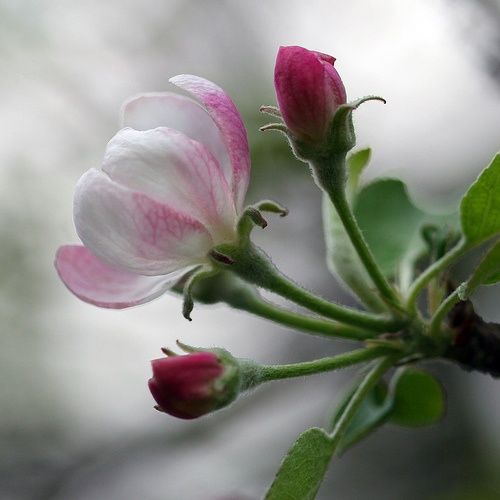
A low-chill apple bred in Israel for warm climates, and one of the few apples that fruits well in the low desert. It needs only about 200 hours of winter chill, blooms in late winter and ripens sweet, crisp fruit in early summer.
Living with it in the Phoenix Valley
Watering
Follow the tree schedule in our Landscape Care guide. Fruit trees need more consistent water than desert trees, especially from bloom through harvest. Deep soaks that wet the whole root zone matter more than frequent light watering.
Pruning
Prune while dormant, roughly January to early March. A central leader with a few well-spaced main branches works well. Leave enough leaves over the fruit and trunk to shade them in summer.
Pollination
It can set some fruit on its own, but crops are more reliable with a second low-chill apple, such as ‘Dorsett Golden’ or ‘Ein Shemer’, planted nearby.
Heat and sunburn
Fruit and bark can sunburn in a Phoenix summer. A spot with afternoon shade helps, and shading or whitening the trunk protects exposed bark.
How our designers use it
An edible garden
It anchors a kitchen garden alongside herbs, vegetables and other low-chill fruit trees.
Seasons in the yard
Blossoms in late winter, fruit in summer and bare branches in winter mark the seasons in a way most desert trees don’t.
Morning sun
Our designers prefer a spot with morning sun and some afternoon relief, such as the east side of the house or a wall.
Good to know
Around the pool
Dropped fruit, leaves and petals are messy and draw bees and wasps. Keep it well away from the water.
Pets
The ASPCA lists apple as toxic to dogs, cats and horses. The seeds, stems and leaves are the concern.