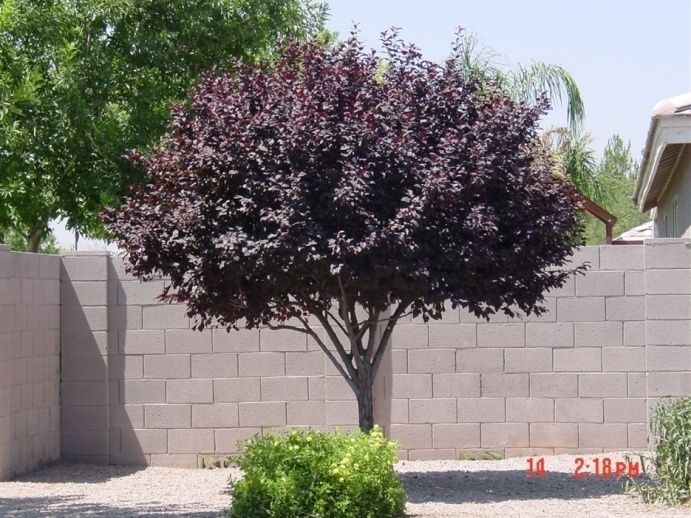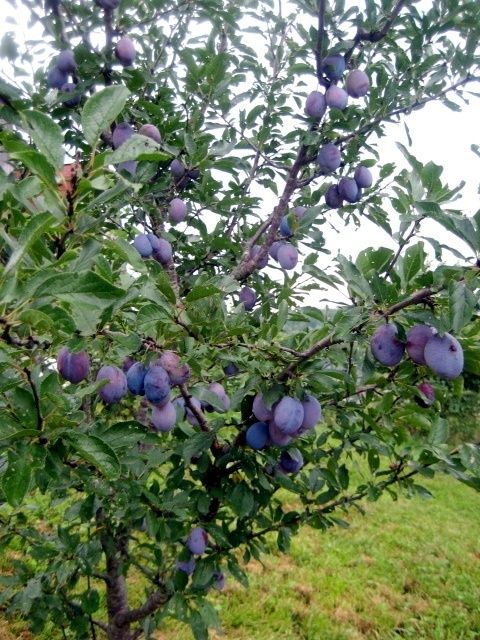
Japanese plums bred for mild winters do well in the Phoenix Valley, flowering in late winter and ripening in late spring. With yearly pruning they stay a manageable size for a backyard orchard.
Living with it in the Phoenix Valley
Choosing a variety
Pick plums that need about 250–300 chill hours. Santa Rosa, Gulf Ruby, Gulf Gold, Methley and Beauty all perform in the low desert and are self-fruitful, though most set heavier crops with a second plum nearby.
Watering
Follow the tree schedule in our Landscape Care guide. Like other fruit trees, it needs steadier, deeper water than desert trees from bloom through harvest. Avoid soggy soil in spring.
Pruning
Prune in winter, before buds break. Open the center, remove crossing branches and shorten long growth to keep the tree within reach for harvest.
Harvest
Fruit ripens over a few weeks in late spring. Birds love it, so fine netting helps protect the crop.
How our designers use it
A backyard orchard
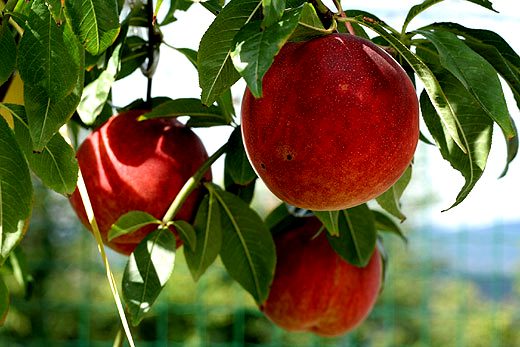
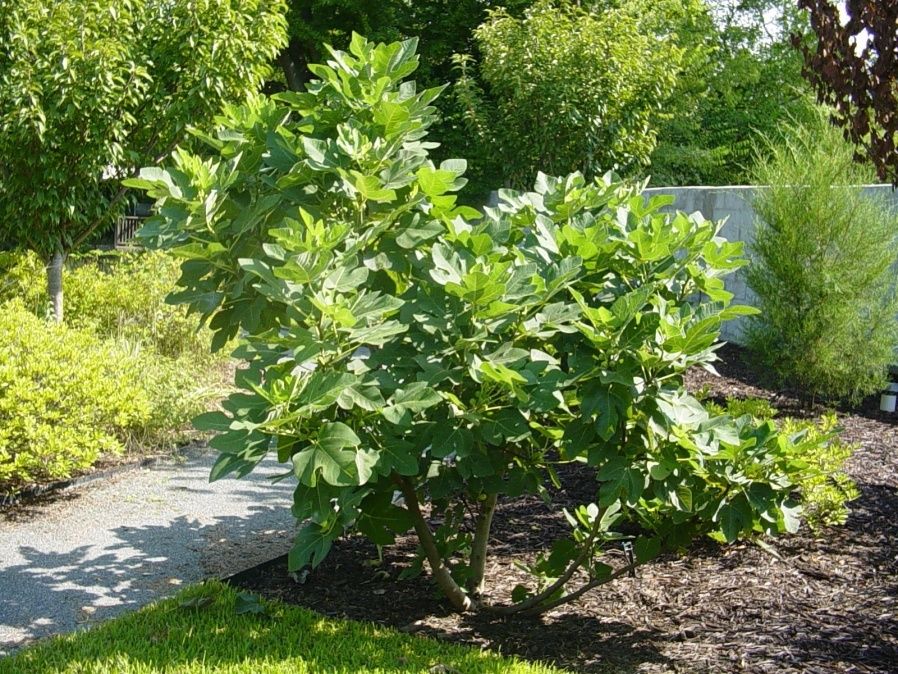
We group plums with peaches, apples and figs so fruit trees share irrigation and sit together in one easy-to-reach area.
Late-winter flowers
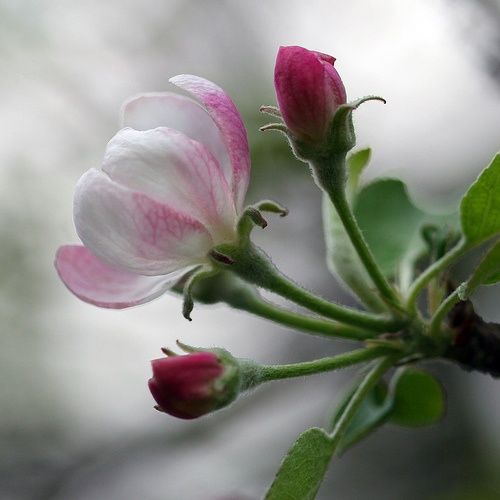
Its white blossoms open when the rest of the garden is quiet.
A screen from summer sun
A spot with some afternoon shade from the house or a larger tree helps protect leaves and fruit in July and August.
Good to know
Around the pool
Dropped fruit can stain decking, and fall leaves end up in the water. We keep fruit trees away from the pool.
Pets
The ASPCA lists plum as toxic to dogs, cats and horses. Stems, leaves and pits contain cyanide-producing compounds.