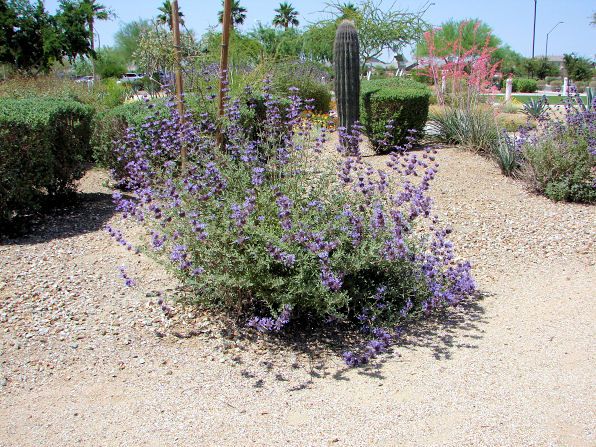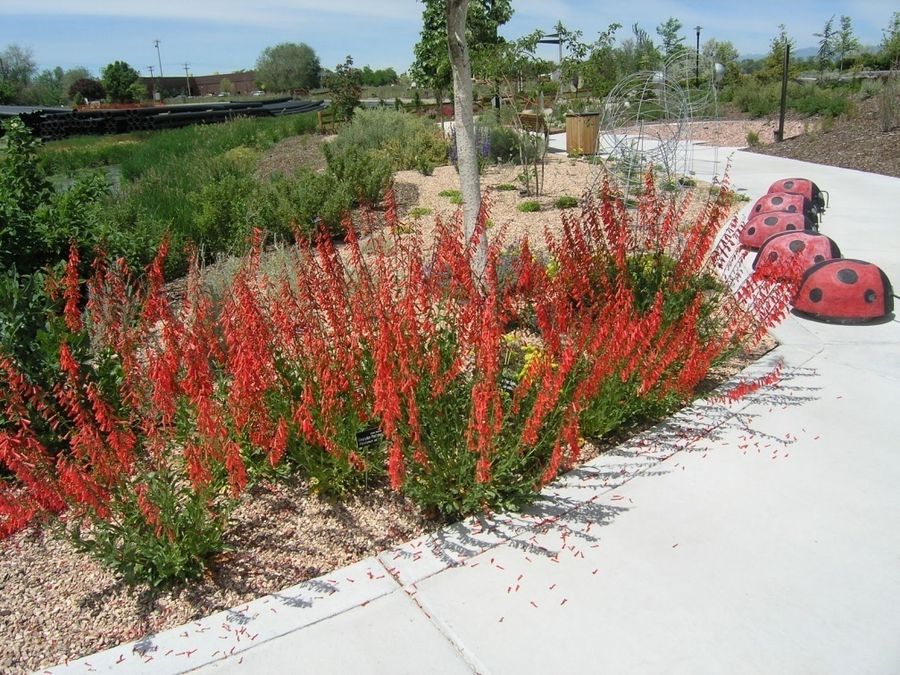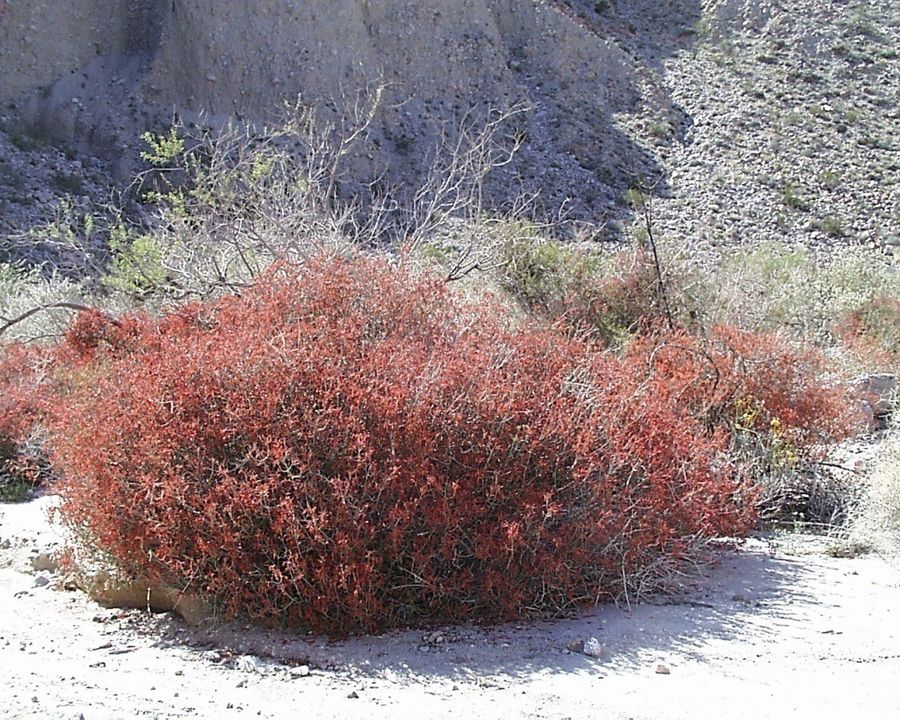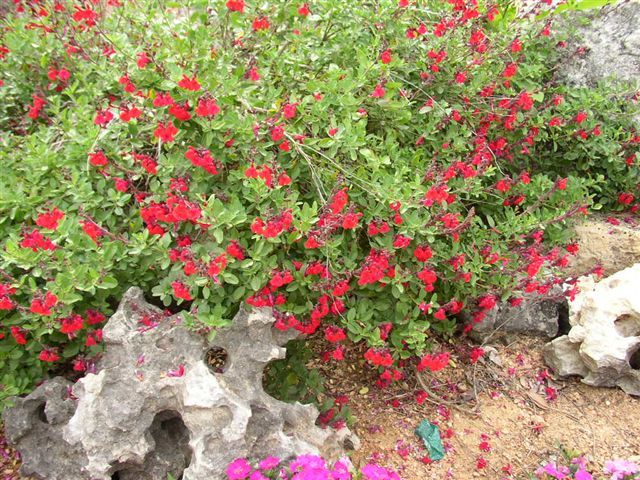
A small, airy shrub from Texas and northern Mexico that covers itself in red tubular flowers in spring and again in fall. It is tough, cold-hardy and a reliable magnet for hummingbirds, which is why it shows up in so many desert gardens.
Living with it in the Phoenix Valley
Watering
Follow the shrub schedule in our Landscape Care guide. Once established, it gets by on modest water. Good drainage matters more than extra water; it does not like soggy soil.
Pruning
Light tip trimming after a bloom cycle encourages the next flush. Every few years, as older plants turn woody and flower less, cut them back by a third to a half after a bloom to renew them. Avoid shearing into tight balls.
Heat and sun
It handles full sun, but in the low desert it looks best with some relief from the hottest afternoon sun. In deeper shade it gets leggy and needs more trimming to stay compact.
How our designers use it
Hummingbird gardens
Planted in groups, it gives hummingbirds a reliable nectar source in both spring and fall.
Color under desert trees
The filtered shade of a palo verde or mesquite suits it well, and the red flowers stand out against green bark and blue-gray agaves.
Low borders
Its small size works along walks and patio edges, where it adds seasonal color without blocking views.
Good to know
Around the pool
Low litter and no thorns. The flowers draw hummingbirds and some bees, so a few steps back from the water’s edge is a comfortable spot.