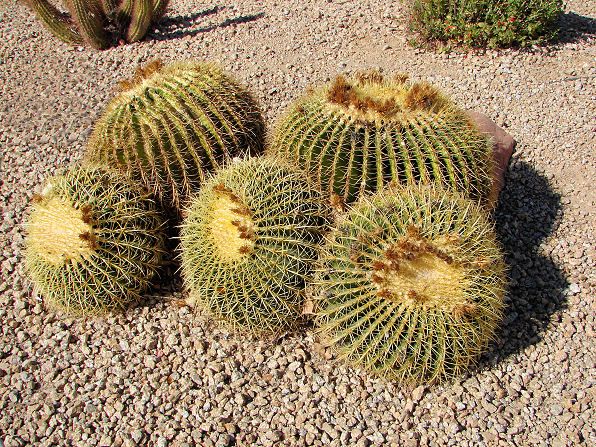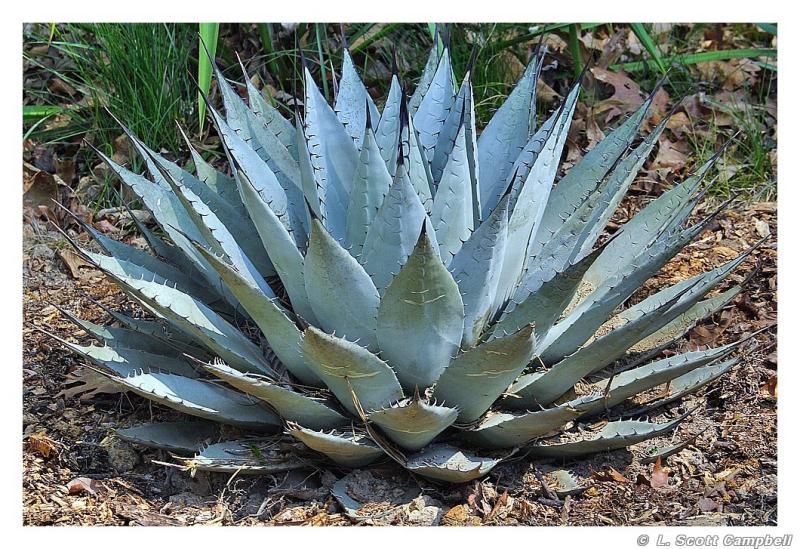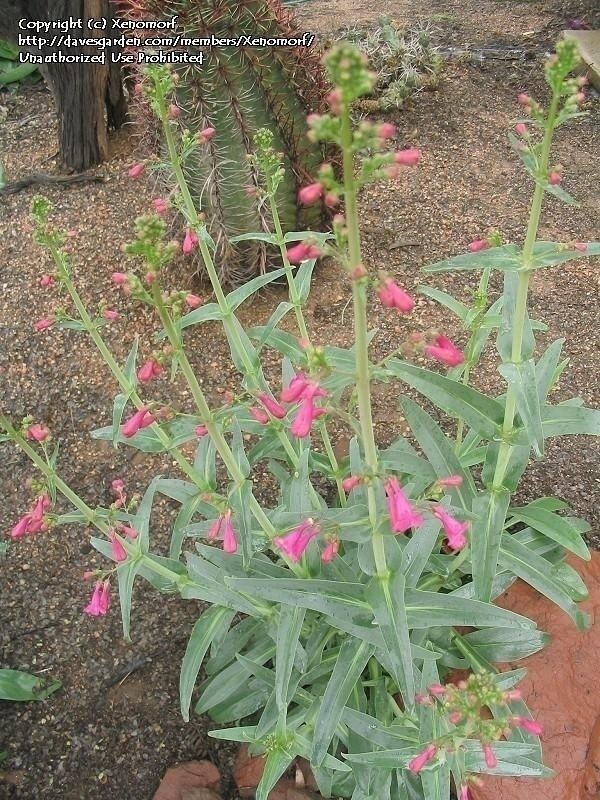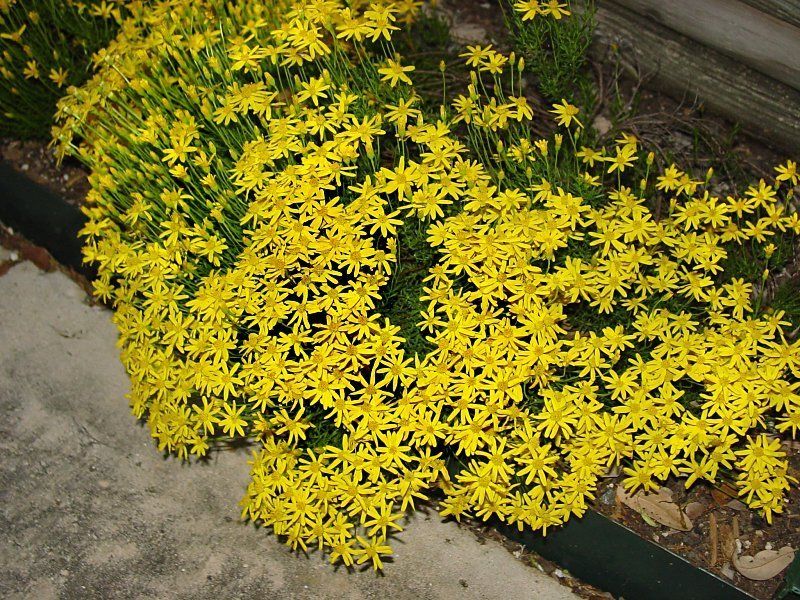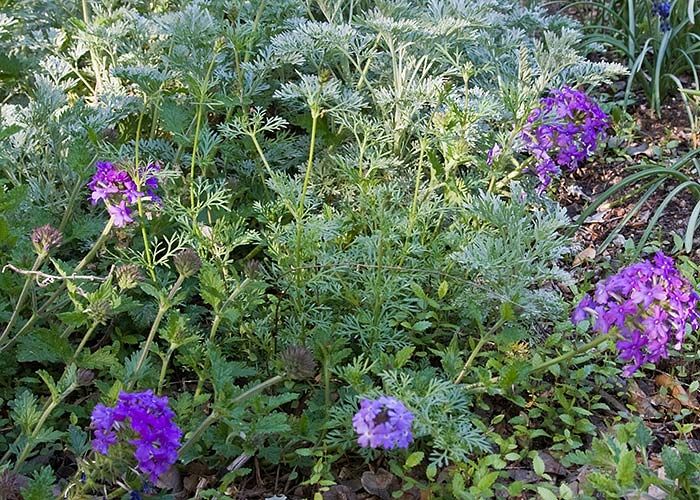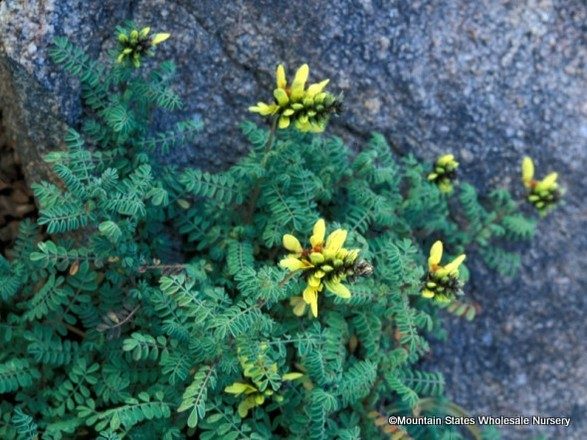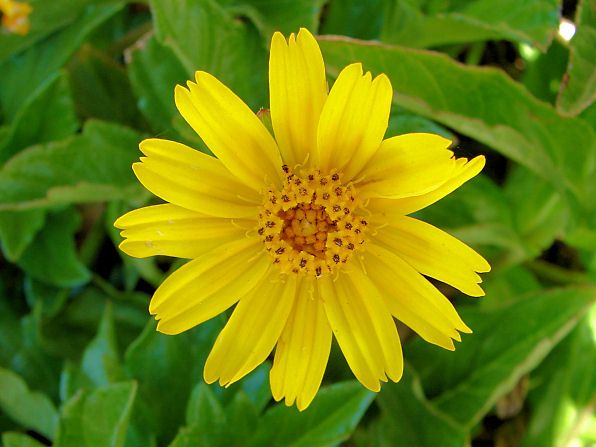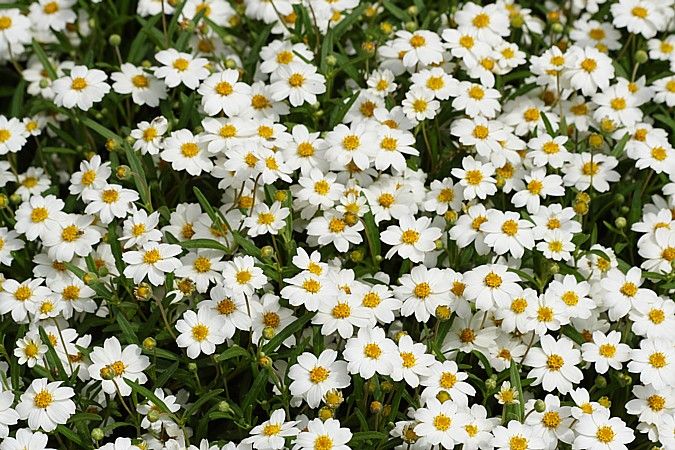
A small native wildflower that forms a neat mound of narrow gray-green leaves covered in white, yellow-centered daisies. It handles heat, reflected sun and cold, and it blooms best when it is left a little on the dry side.
Living with it in the Phoenix Valley
Watering
Follow the shrub, groundcover and succulent schedule in our Landscape Care guide. Too much water is the most common way to lose it. Frequent watering makes it leggy and floppy with fewer flowers, and wet, poorly drained soil causes root rot. It needs very little in winter.
Pruning
Little is needed. Shear off spent flowers after a big bloom to tidy it. If it grows rangy, cut it back to rejuvenate.
Soil
Fast-draining soil is essential. It does well in rocky or gravelly ground and is a poor fit for heavy, wet beds.
How our designers use it
Low borders and edges
Planted in groups along walks and driveways, it gives a clean white edge that holds up in reflected heat.
Cactus and agave gardens
Its soft mounds fill the space between barrels, agaves and boulders without competing with them.
Native and low-water plantings
It suits fully native designs and areas that get little irrigation.
Good to know
Around the pool
No thorns and little litter. The flowers attract bees and butterflies, so keep it a step back from the water’s edge.
Foot traffic
Its stems are brittle and break easily. Keep it out of paths and play areas.