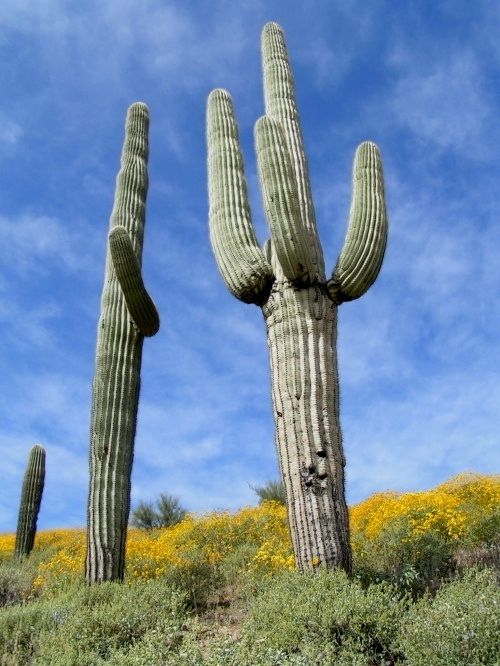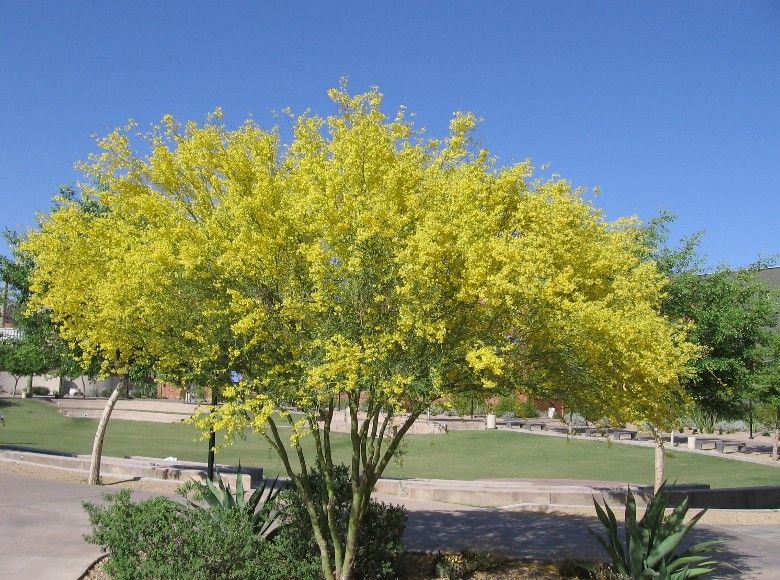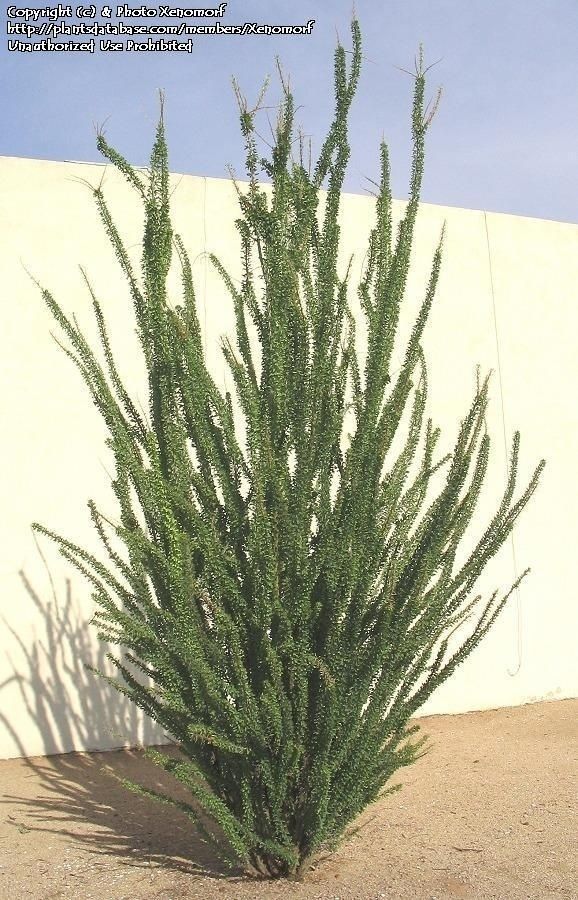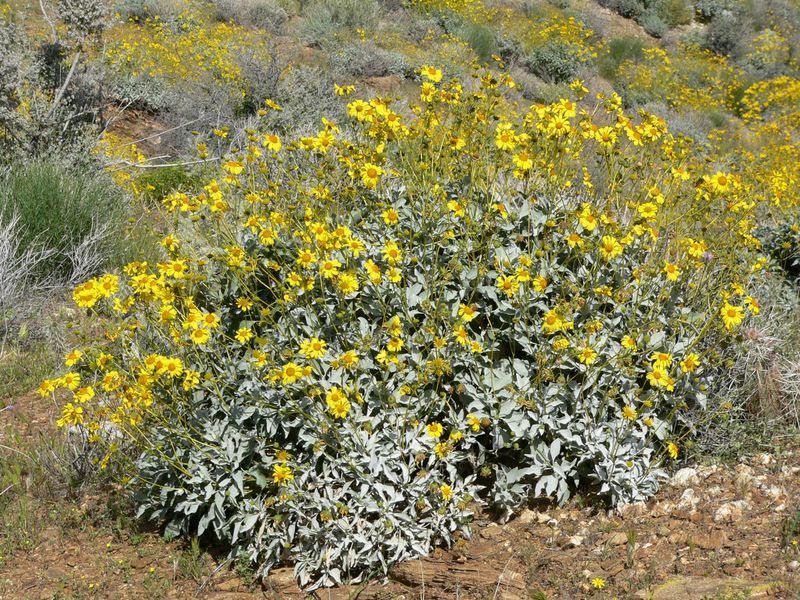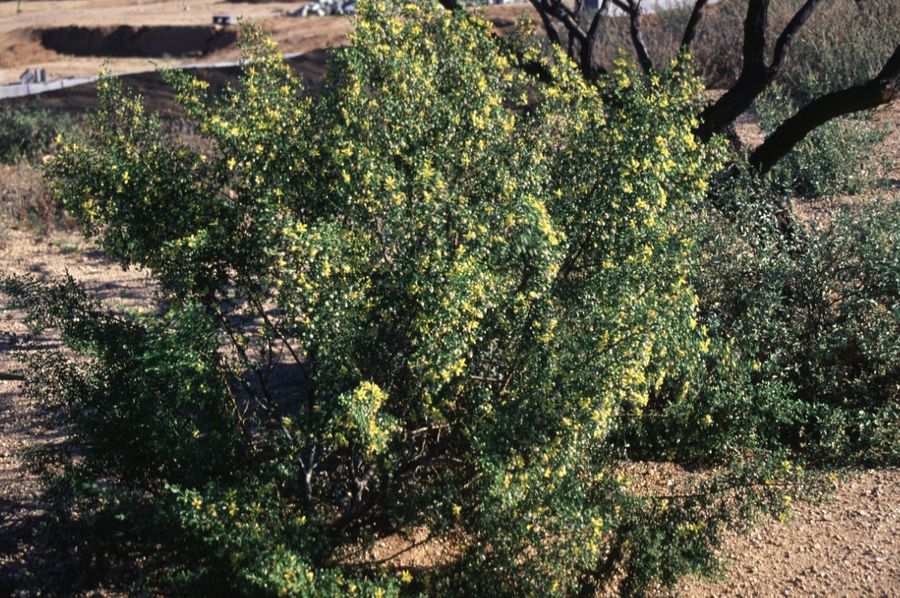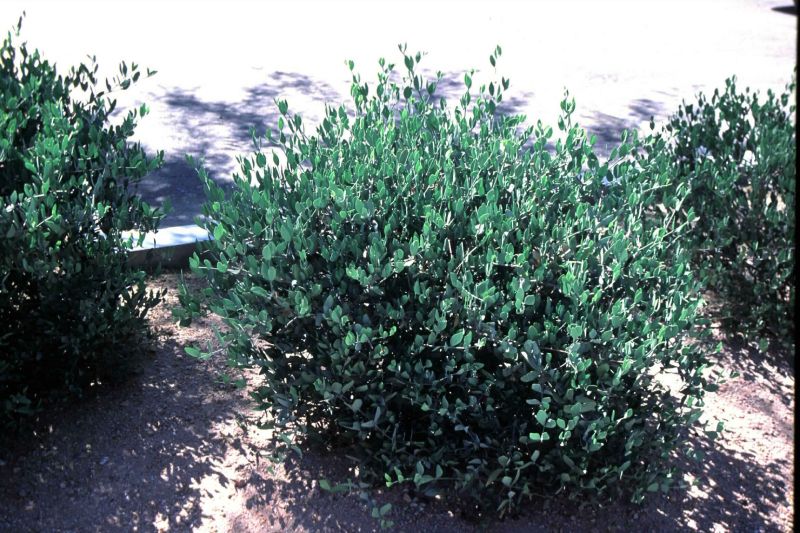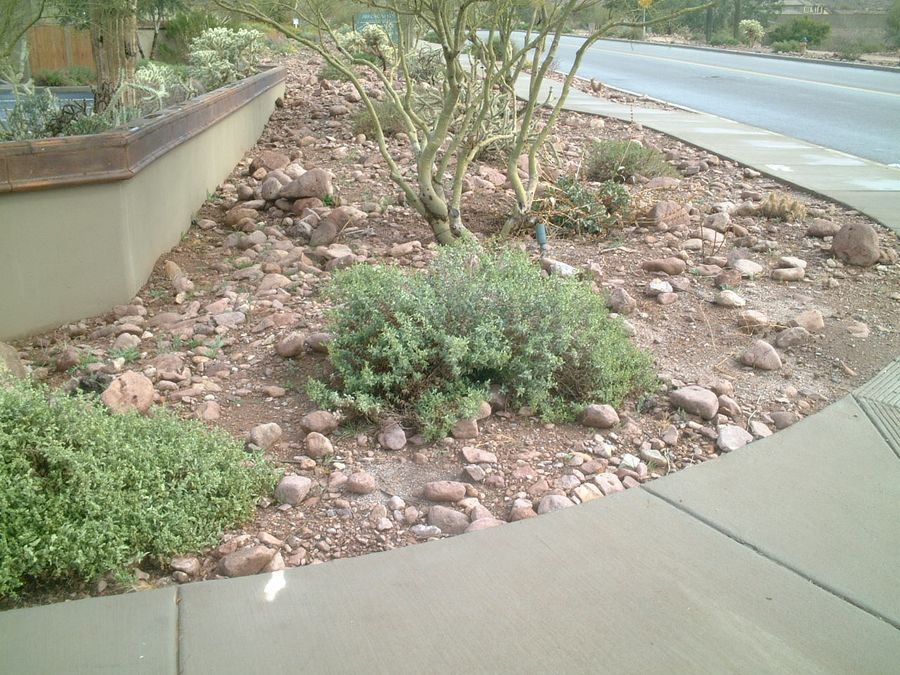
A low, rounded native shrub with gray-green, triangular leaves that grows wild beneath saguaros and palo verdes across the Sonoran Desert. It is not showy, but it is one of the most natural-looking fillers for a native landscape and needs almost no water once settled.
Living with it in the Phoenix Valley
Watering
Follow the shrub schedule in our Landscape Care guide; as a true desert native, it should be kept lean. It grows mostly in winter and rests in summer. Extra water makes it larger and rank, and poorly drained soil leads to root rot.
Pruning
Usually none is needed. A light shearing in fall, before winter growth begins, can even out its shape.
Drought
In long dry spells it sheds its leaves and looks bare. It leafs out again after rain or a deep watering.
How our designers use it
Native filler
It fills the spaces between cactus, agave and boulders the way it does in the open desert.
Beneath a desert tree
In the wild it shelters young cactus. Our designers use it the same way under palo verdes, with small cactus tucked in nearby.
Slopes and transitions
It helps hold slopes and blends the edges of a yard into natural desert.
Good to know
Allergies
Bursage is a close relative of ragweed. Its wind-blown pollen is a known hay fever trigger, and the foliage can irritate sensitive skin. We generally keep it away from patios, windows and seating areas.
Around the pool
Small burs with hooked spines catch on clothing and towels. It is better kept well away from the pool.