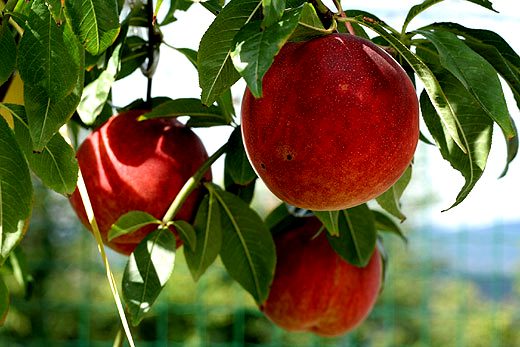
Peaches grow well in the Phoenix Valley as long as you choose a low-chill variety bred for mild winters. A tree covers itself in pink blossoms in late winter and can ripen a crop in late spring, before summer heat arrives.
Living with it in the Phoenix Valley
Choosing a variety
Phoenix winters supply only a few hundred chill hours, so pick varieties that need about 250 hours or less. Desert Gold, Earligrande, Flordaprince and Tropic Snow are reliable here. Bonanza is a genetic dwarf that stays small enough for a large pot.
Watering
Follow the tree schedule in our Landscape Care guide. Fruit trees need steadier, deeper water than desert trees, especially from bloom through harvest. Avoid soggy soil in spring, which leads to yellow leaves and root rot.
Pruning
Prune every winter while the tree is dormant. Peaches fruit on last year’s growth, so a firm annual cut to an open, vase-like center keeps the tree productive and within reach.
Harvest
Thin young fruit to about six inches apart for larger peaches and fewer broken limbs. Most of the crop ripens over a few weeks, and birds will find it, so plan on netting.
How our designers use it
An edible garden
We group fruit trees together near a kitchen garden or raised beds, where they share irrigation and are easy to reach at harvest.
East-side planting
A spot with morning sun and some afternoon shade from the house or a taller tree eases summer stress on the tree and its fruit.
Seasonal show
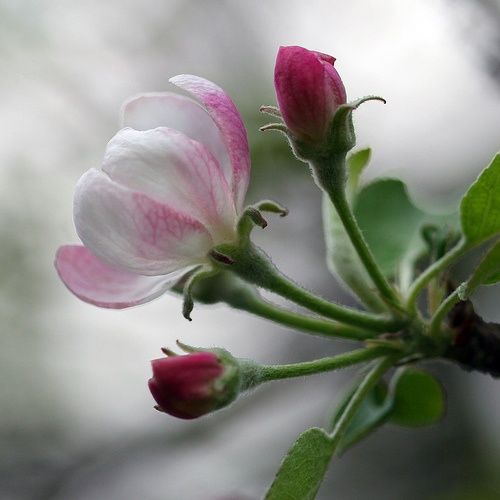
Pink blossoms arrive in late winter, when little else in the garden is flowering.
Good to know
Around the pool
Dropped fruit, leaves in fall and petals in late winter all end up in the water and can stain decking. We keep fruit trees away from the pool.
Pets
The ASPCA lists peach as toxic to dogs, cats and horses. Stems, leaves and pits contain cyanide-producing compounds.
Lifespan
Grafted peaches are relatively short-lived, often 15–20 years, so think of them as a long-term planting rather than a permanent one.