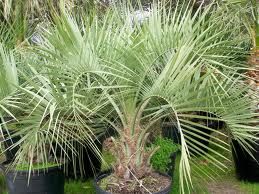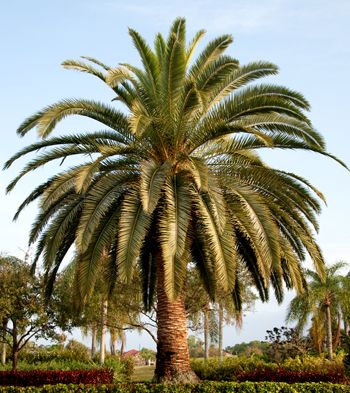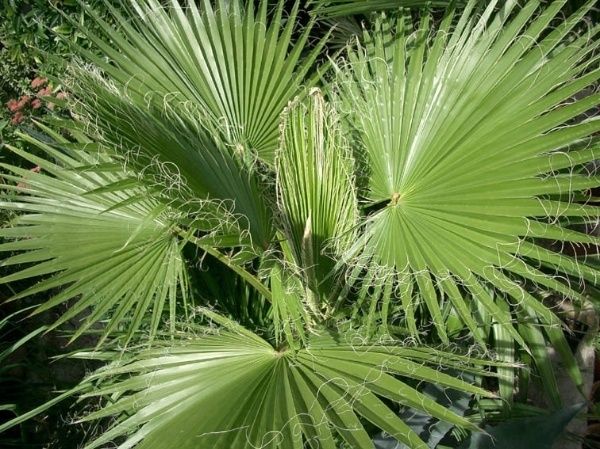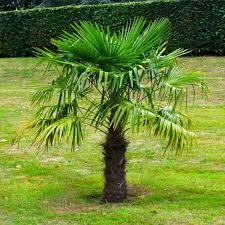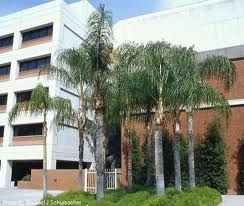
A tall, slender palm with a smooth gray trunk and long, glossy, feathery fronds that move in the breeze. It brings an unmistakably tropical look, but in the Phoenix Valley it needs a sheltered spot, regular water and steady feeding to look its best.
Living with it in the Phoenix Valley
Watering
Follow the tree schedule in our Landscape Care guide. Of the common palms here, this is one of the thirstiest. Drought stress shows quickly as yellowing and tattered fronds.
Pruning
Remove fronds once they brown and hang, and cut off fruit stalks to limit litter. Avoid wounding the trunk with tools or spikes, since trunk wounds can let in ganoderma butt rot, which has no cure.
Feeding
Our alkaline, rocky soils cause iron chlorosis, with pale yellow new fronds. A palm fertilizer with iron, manganese, zinc and magnesium, applied through the warm season, keeps it green.
Heat and wind
Hot west exposures and dry wind scorch and shred the fronds. An east-facing or sheltered spot makes a visible difference.
How our designers use it
A vertical accent
Its tall, straight trunk adds height and a tropical silhouette to a lush pool garden or courtyard.
Sheltered resort-style yards
It works best surrounded by walls, buildings or other planting that cut the wind and afternoon sun.
Considered alternatives
On exposed lots, we often steer clients toward tougher palms that hold their looks better in dry heat.
Good to know
Around the pool
Fruit clusters drop heavily and can stain decking and clog skimmers, and spent fronds come down in the wind. Plant it where litter falls on planting, not on the water.
Cold and heat
Freezes in the mid 20s scorch the fronds, and a hard freeze can kill it. Summer heat and dry wind are equally hard on it, so placement matters more than with most palms.