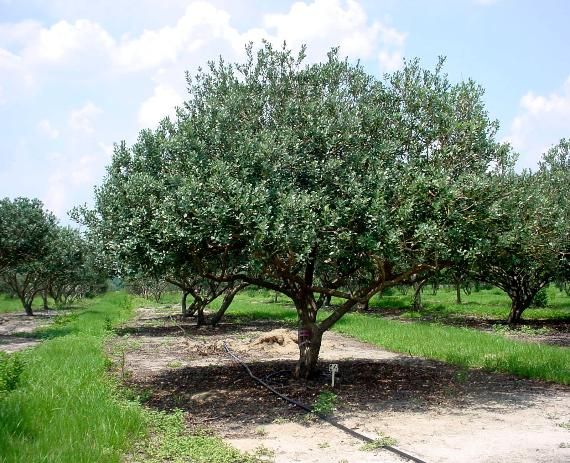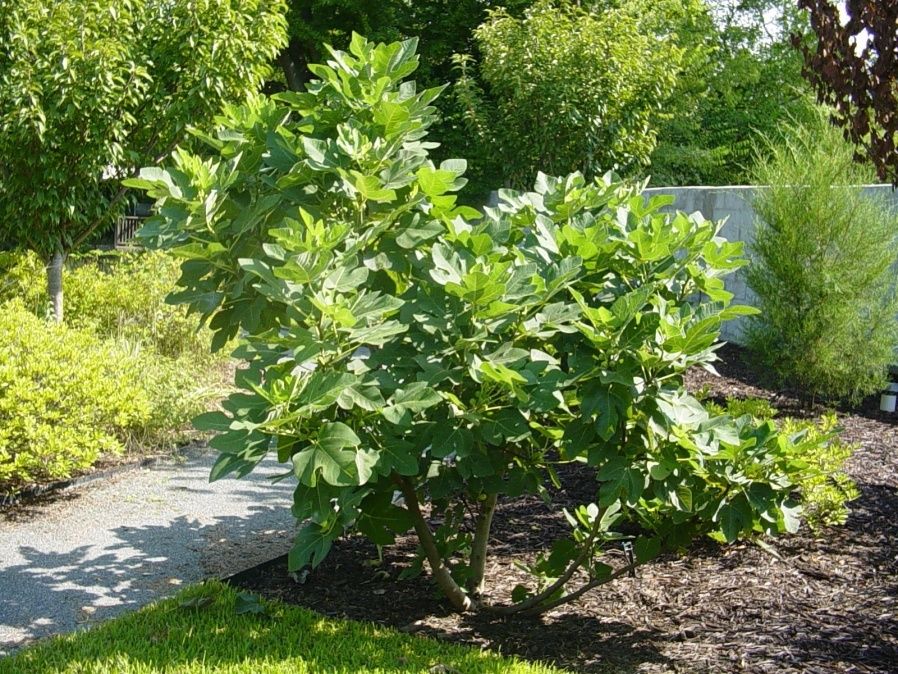
A broad, bold-leaved fruit tree that handles Phoenix heat and needs very little winter chill. With good summer water it gives two crops a year, and its big leaves and smooth gray branches make it handsome in a garden even when it is not fruiting.
Living with it in the Phoenix Valley
Watering
Follow the tree schedule in our Landscape Care guide, with deep soaks that reach the whole root zone. Steady summer water is what makes fruit large and plentiful; a fig left dry in the heat drops or shrivels its crop. Water less in winter while it is dormant.
Pruning
Figs need little pruning. Avoid heavy winter cuts, which remove the early summer crop. In Phoenix, shape and thin in fall after the second harvest.
Harvest
Brown Turkey is a favorite for fresh eating and Black Mission for drying. New trees often take three to four years to bear a real crop.
Pests
Green fig beetles and birds go after ripening fruit; netting or bagging the fruit helps. Avoid planting where cotton root rot has killed plants before.
How our designers use it
An edible garden centerpiece
Its broad shape anchors a kitchen garden or citrus area and gives summer shade over raised beds.
Bold texture
The large leaves bring a lush, Mediterranean feel to a courtyard or side yard in the warm months.
Seasonal shade
Leafless in winter, it lets sun reach a patio or window in the cool months and shades it in summer.
Good to know
Around the pool
It drops large leaves in fall and soft, sugary fruit in summer that draws beetles and birds. Keep it away from pools, spas and patios.
Sap
Cut stems and leaves release a milky sap that can irritate skin and cause burn-like blisters when skin is then exposed to sun. Wear gloves and long sleeves when pruning or harvesting.