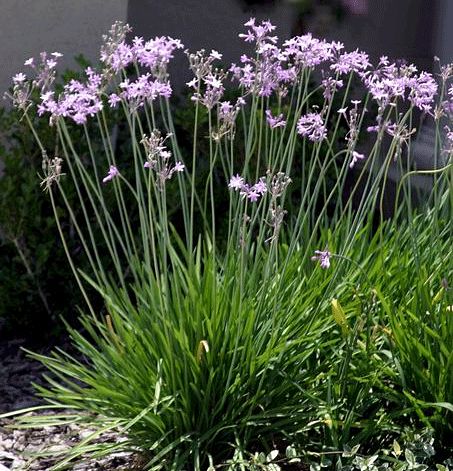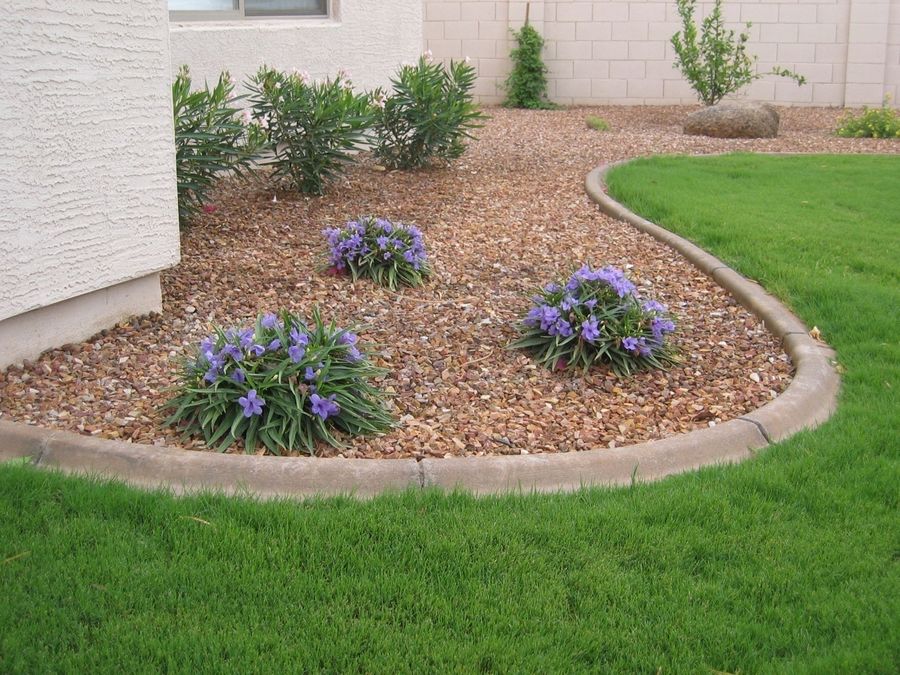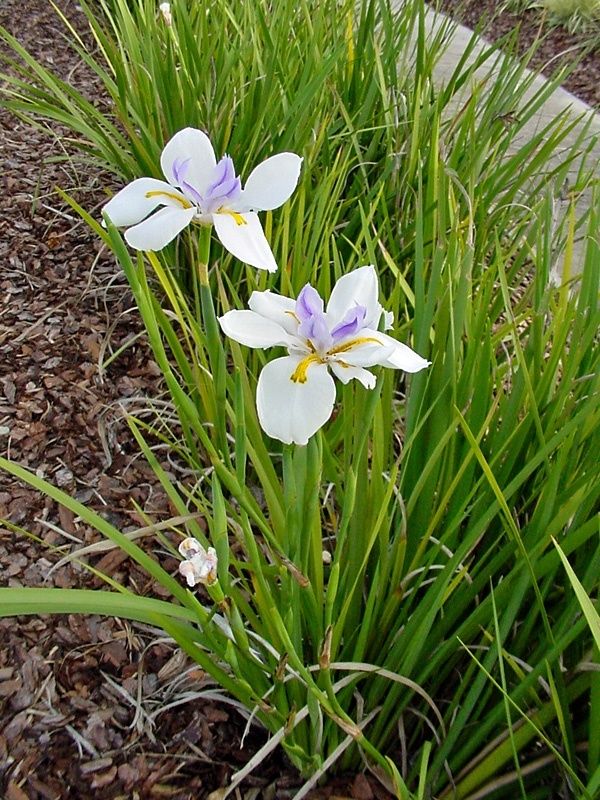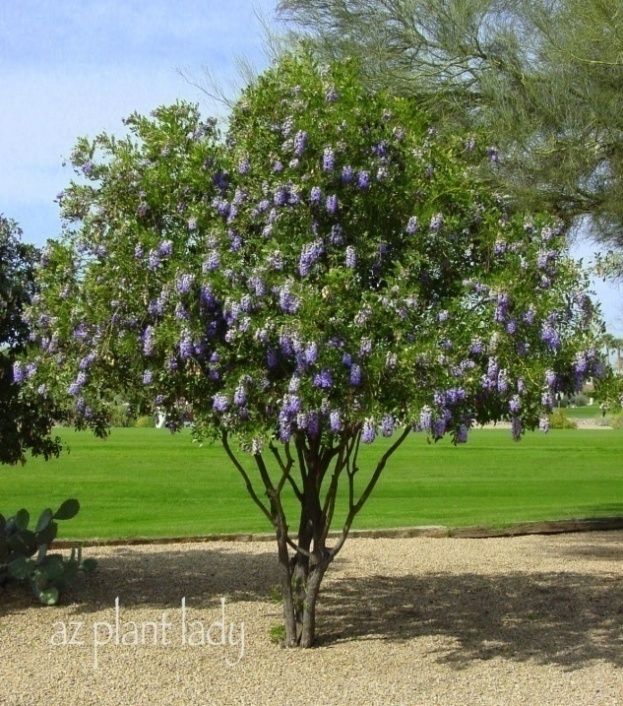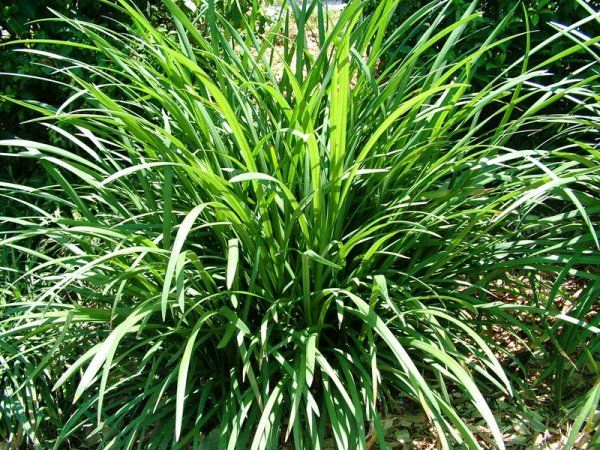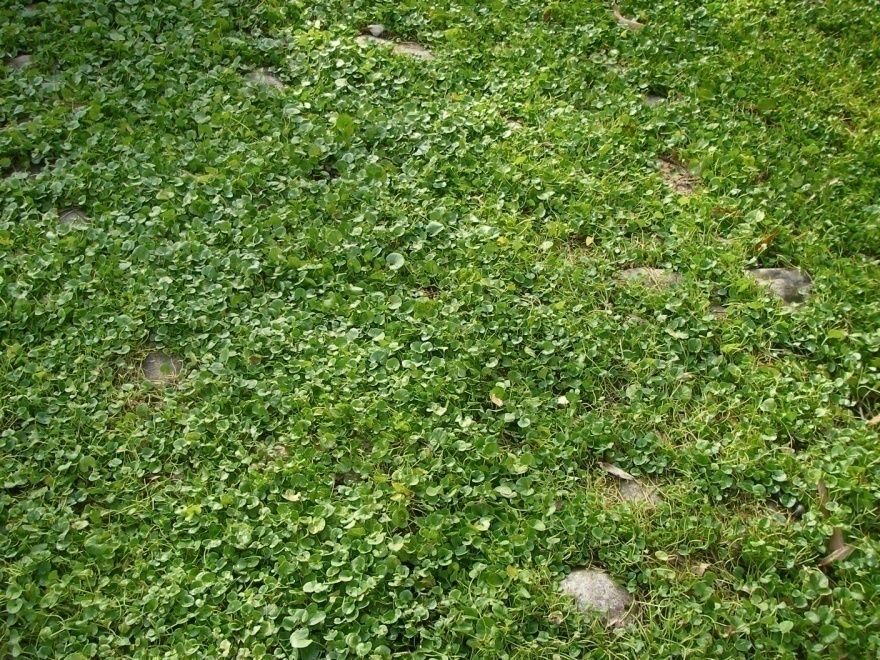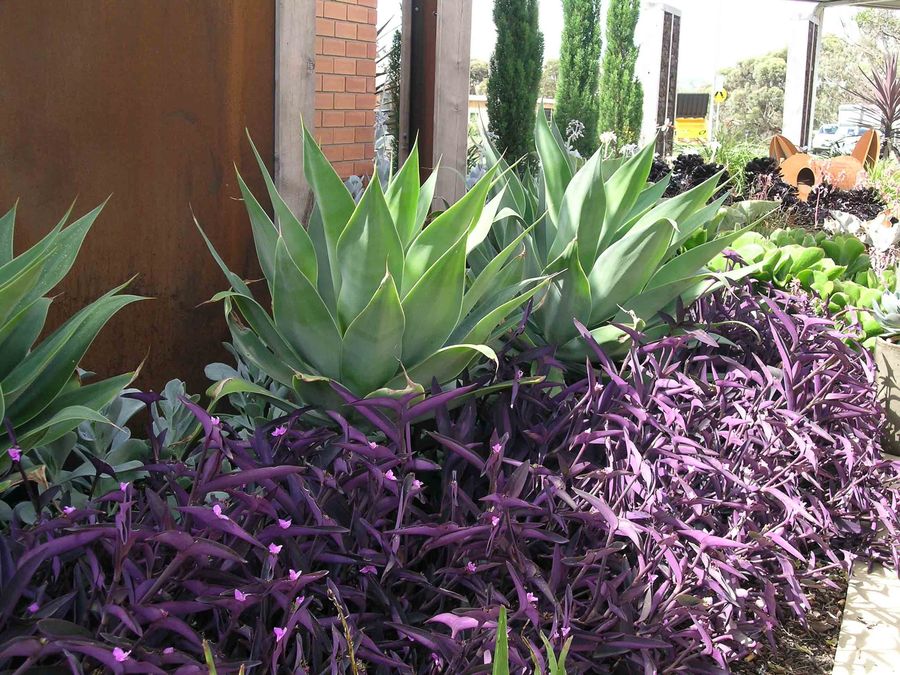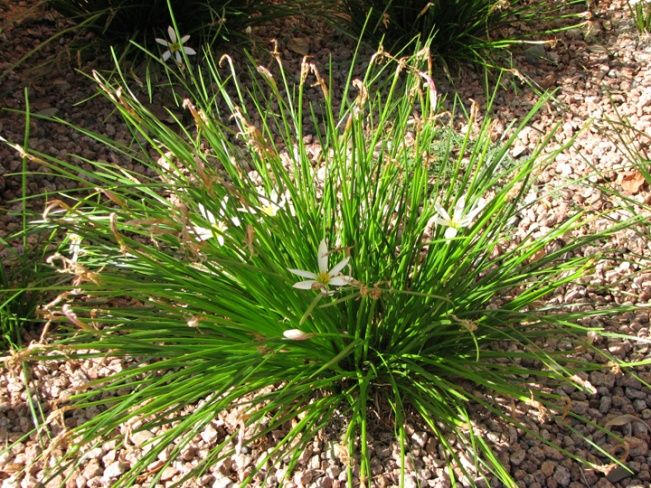
A small bulb with glossy, grass-like leaves and rose-pink, crocus-like flowers that pop up after summer rains. In the Valley it is a monsoon-season surprise, best tucked into partly shaded beds and borders.
Living with it in the Phoenix Valley
Watering
Follow the shrub, groundcover and succulent schedule in our Landscape Care guide. Too little water lets the leaves dry back; too much in heavy soil can rot the bulbs. Flowers usually follow a good soaking rain.
Pruning
Little is needed beyond removing spent flowers. Leave the leaves in place, since they feed the bulb.
Dormancy
It is normal for clumps to fade in drought, intense heat or a hard freeze. They return from the bulbs when water comes back or temperatures cool.
Dividing
Crowded clumps can be lifted and divided to spread them to new spots.
How our designers use it
Edging shaded beds
Planted in drifts along a border, it reads as a neat green edge most of the year and a pink ribbon after storms.
Beneath trees
The filtered shade of a tree canopy suits it, and it brings color to a spot that is otherwise quiet in late summer.
Pots and small courtyards
It works in containers and tight planting pockets where a small, tidy plant is needed.
Good to know
Around the pool
No thorns and little litter, so it is easy near water in a shaded or partly shaded spot.