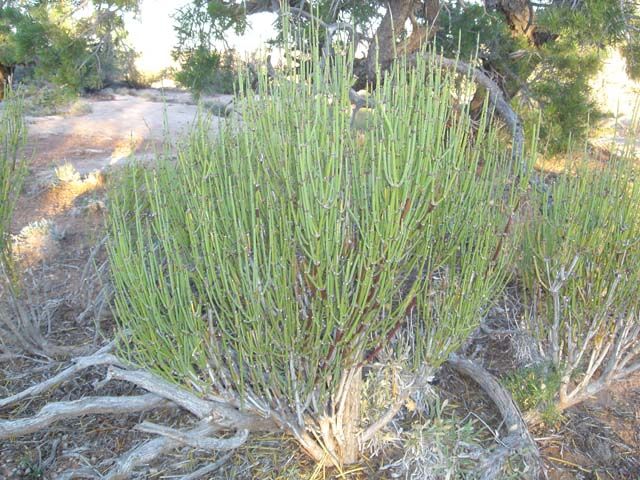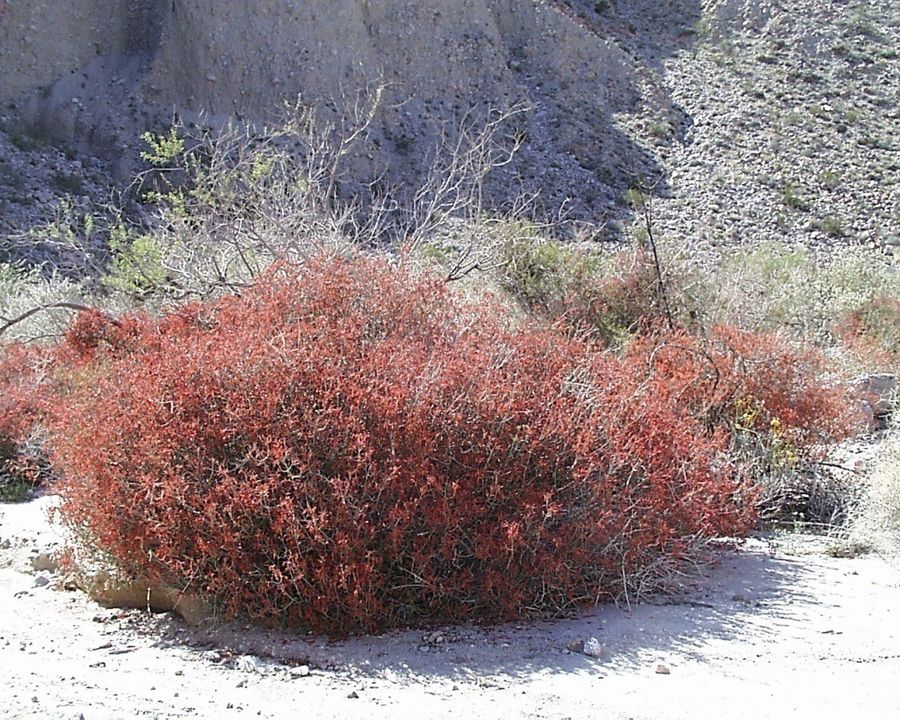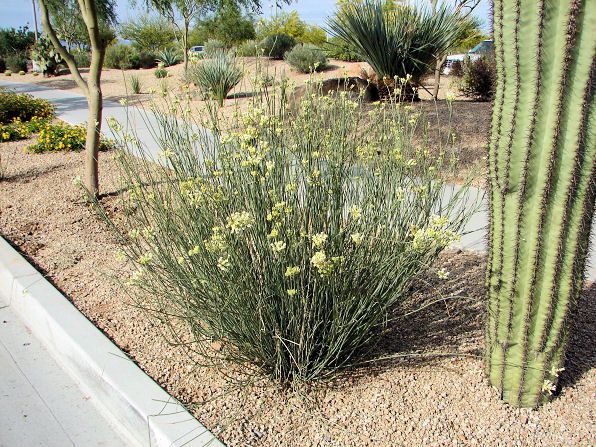
A native milkweed made of slender, nearly leafless gray-green stems that rise like a clump of reeds. It is a host plant for monarch and queen butterflies, and it thrives in full sun with very little water.
Living with it in the Phoenix Valley
Watering
Follow the shrub schedule in our Landscape Care guide while it establishes. After that, this is a true desert native and should be kept lean. Frequent water invites root rot and aphids and can reduce flowering.
Pruning
Very little is needed. Remove dead or broken stems at the base. Every few years, an overgrown clump can be cut back hard in winter to renew it.
Aphids and caterpillars
Yellow aphids are common on milkweed, especially when it is watered too much. A strong rinse of water usually handles them. Caterpillars chewing the stems are monarch or queen butterflies at work, so leave them be.
How our designers use it
Vertical texture
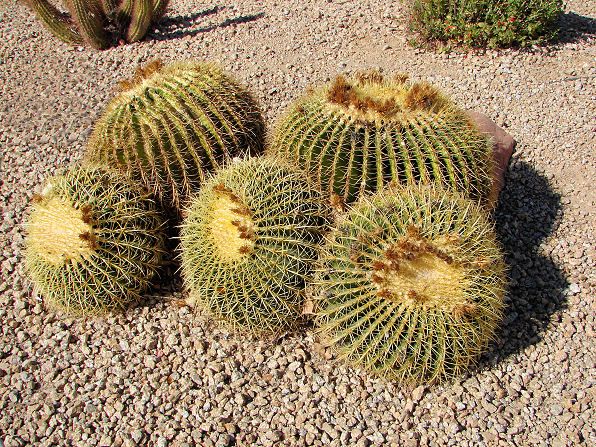
Its upright, reed-like stems add a fine, linear look among rounded shrubs and bold succulents.
Butterfly gardens
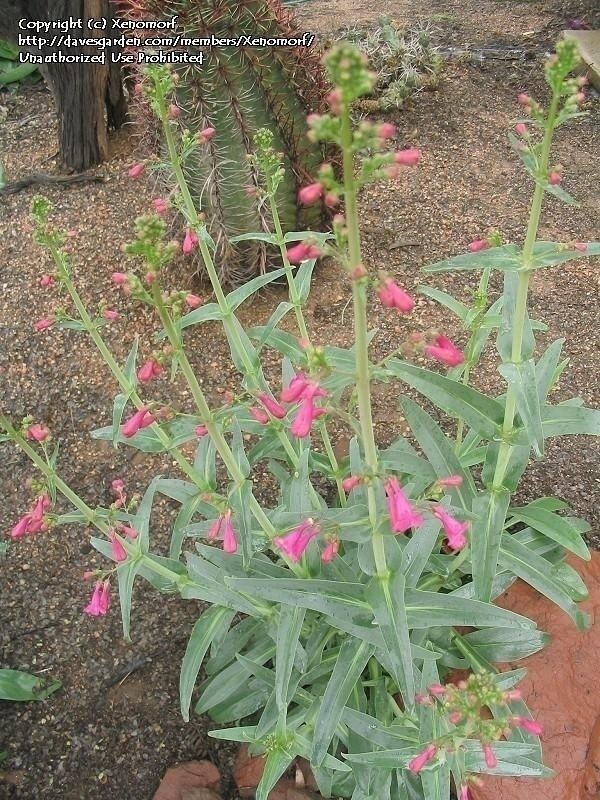
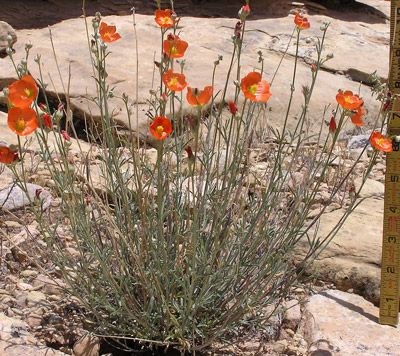
Our designers include it wherever a client wants to support monarchs and queens, alongside nectar plants like penstemon and globe mallow.
Lean, natural areas
It fits naturally into washes, native areas and gravel gardens that get very little water.
Good to know
Pets
Milkweed is on the ASPCA’s list of plants toxic to dogs, cats and horses. Consider where it goes if pets spend time in the yard.
Around the pool
No thorns and very little litter. The milky sap can irritate skin, so keep it a step back from where people brush past.